
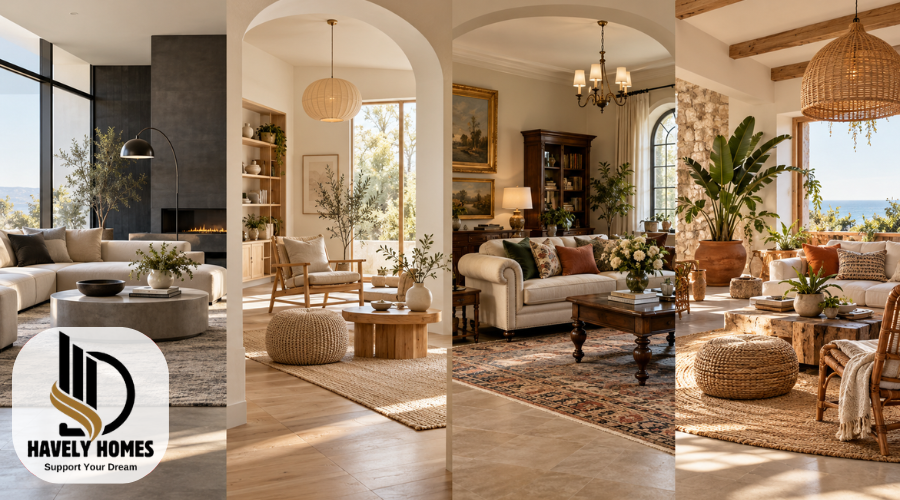
Every home has its own character, and the way you decorate it plays an important role in how it looks and feels. From furniture and wall colors to lighting and decorative accessories, every choice helps create a comfortable and welcoming living space.
Understanding different interior design styles makes decorating easier. Some people prefer the clean appearance of modern interiors, while others enjoy traditional furniture, natural materials, or colorful bohemian spaces.
Each style offers a different approach to arranging furniture, combining colors, and selecting materials. Learning about these differences can help you create a home that reflects your personality without sacrificing comfort or practicality.
Whether you are decorating a new house or refreshing an existing room, the right design approach should suit your lifestyle, available space, and budget.
Quick Answer:
Interior design styles describe how furniture, colors, materials, and decorative details work together in a home. Popular choices include modern, traditional, Scandinavian, and coastal. Start by considering your space, lifestyle, and personal preferences.
Quick-Guide Table
| Possible Problem | What to Check | Recommended Action |
| Unsure which design style to choose | Favorite colors, furniture, and materials | Compare several styles and create a simple mood board. |
| Small room feels crowded | Furniture dimensions and available floor space | Choose appropriately sized furniture and improve storage. |
| Furniture looks mismatched | Colors, wood tones, and decorative finishes | Repeat selected colors or materials to create visual balance. |
| Room feels too plain | Textures, lighting, artwork, and accessories | Introduce a few complementary decorative elements. |
| Too many competing styles | Furniture shapes, patterns, and colors | Choose one main style and limit contrasting accents. |
| Decorating budget is limited | Existing furniture and reusable accessories | Rearrange furniture, refresh textiles, and consider secondhand pieces. |
| Room looks attractive but feels uncomfortable | Seating, lighting, and daily activities | Prioritize practical furniture placement and comfortable furnishings. |
Helpful Steps to Choose Your Interior Design Style
- Understand your preferences: Identify furniture shapes, colors, and materials you naturally enjoy.
- Explore different styles: Compare modern, traditional, minimalist, Scandinavian, coastal, and other relevant designs.
- Evaluate your space: Consider room dimensions, natural light, existing flooring, and architectural details.
- Create a mood board: Collect photographs, furniture ideas, color samples, and decorative inspiration.
- Choose a main style: Select one approach that suits your lifestyle and complement it with carefully chosen details.
- Set a realistic budget: Prioritize essential furniture and practical improvements before decorative extras.
- Make gradual changes: Start with furniture arrangement, textiles, wall colors, or accessories before considering larger updates.
What Defines an Interior Design Style?
An interior design style is a recognizable approach to decorating a space. It brings together furniture, colors, materials, textures, lighting, and decorative details to create a consistent appearance.
For example, a minimalist room may feature simple furniture and limited decoration, while a traditional room might include detailed woodwork, patterned fabrics, and classic furnishings.
Different styles are influenced by architecture, history, geography, and cultural traditions. Scandinavian interiors developed around practical living and natural materials, while Art Deco reflects decorative influences from the early twentieth century.
Although people sometimes search for the seven types of interior design, there is no universally accepted number. Design categories overlap, and new combinations continue to develop.
The easiest way to recognize a style in room photographs is to examine its furniture shapes, dominant colors, materials, and decorative features together rather than judging one item.
Modern, Contemporary, and Mid-Century Modern Interior Design
Modern, contemporary, and mid-century modern interiors share certain characteristics, but each has a different design background.
Modern Interior Design
Modern design developed from the modernist movement of the early twentieth century. It emphasizes functional furniture, simple shapes, smooth surfaces, and limited decoration.
Common materials include wood, glass, metal, and stone. Neutral colors often provide the foundation, with carefully selected accents adding interest.
A modern living room might include a straight-lined sofa, a simple coffee table, and an uncluttered furniture arrangement.
Contemporary Interior Design
Contemporary interior design reflects current design ideas rather than one historical period. Its appearance changes as materials, technology, and decorating preferences evolve.
Contemporary rooms may feature sculptural furniture, curved shapes, interesting lighting, and combinations of natural and manufactured materials.
Unlike strictly minimalist spaces, contemporary interiors can also include expressive colors, textures, and artwork.
Mid-Century Modern Interior Design
Mid-century modern design is associated mainly with furniture and interiors from the middle decades of the twentieth century.
Recognizable features include tapered furniture legs, organic shapes, warm woods, and practical designs.
To introduce this style, consider a wooden sideboard, a low-profile sofa, or an armchair with a curved seat and slender legs.
These three styles can work in ordinary homes without requiring expensive furniture or architectural changes.
Traditional, Transitional, and Art Deco Interior Design
These styles offer different ways to introduce character, decorative details, and visual interest into a home.
Traditional Interior Design
Traditional interiors often feature classic furniture, detailed woodwork, rich fabrics, and balanced arrangements.
Wooden dining tables, upholstered chairs, decorative mirrors, and patterned curtains are common choices.
A traditional home can feel welcoming without being overly formal when comfortable furniture and practical storage are included.
Transitional Interior Design
Transitional design combines familiar traditional elements with cleaner, more contemporary furniture.
For example, a classic upholstered sofa can sit beside a simple modern coffee table. Neutral walls, soft fabrics, and restrained accessories help connect the different pieces.
This approach works well for homeowners who enjoy traditional comfort but prefer less decoration.
Art Deco Interior Design
Art Deco became prominent during the 1920s and 1930s. It is associated with geometric patterns, strong shapes, decorative finishes, and luxurious-looking materials.
Mirrored surfaces, geometric artwork, and metallic accents can introduce Art Deco character.
A single statement mirror or distinctive light fixture may be enough to create visual interest without overwhelming the room.
Minimalist, Scandinavian, and Japandi Interior Design
These three styles emphasize thoughtful furniture choices, but they approach simplicity and comfort differently.
Minimalist Interior Design
Minimalist interiors focus on keeping useful, meaningful items while reducing unnecessary decoration.
Furniture usually has simple shapes, and storage helps maintain an orderly appearance. Colors may be restrained, but minimalist rooms do not have to be entirely white.
A comfortable sofa, practical storage cabinet, and carefully chosen artwork can create a complete minimalist living room.
Scandinavian Interior Design
Scandinavian design combines everyday functionality with warmth and comfort.
Light-colored wood, natural fabrics, soft textiles, and practical furnishings are common. Interiors often make effective use of available daylight.
A wooden table, comfortable seating, and textured cushions can help achieve this welcoming appearance.
Japandi Interior Design
Japandi combines influences from Japanese and Scandinavian design traditions.
It emphasizes natural materials, uncluttered arrangements, simple furniture, and a calm atmosphere. Earthy tones and handmade decorative objects often complement the look.
These styles are useful inspiration for small homes because they encourage careful furniture selection and practical storage rather than unnecessary decoration.
Farmhouse, Rustic, and Coastal Interior Design
Farmhouse, rustic, and coastal styles take inspiration from natural surroundings and relaxed living.
Farmhouse Interior Design
Farmhouse interiors emphasize comfortable furniture, practical layouts, and familiar materials such as wood and cotton.
Traditional farmhouse decorating may include antique furniture, painted cabinets, and country-inspired patterns.
Modern farmhouse interiors often combine these elements with simpler furniture shapes, updated lighting, and more restrained decoration.
Rustic Interior Design
Rustic interiors celebrate natural materials and visible textures.
Wooden furniture, stone finishes, earthy colors, and woven textiles help create an inviting atmosphere.
A solid wooden coffee table, textured rug, or natural-looking wall finish can introduce rustic character without major renovations.
Coastal Interior Design
Coastal design draws inspiration from seaside environments.
Light colors, natural fibers, relaxed furnishings, and shades of blue, sand, and white frequently appear in these interiors.
A coastal living room might combine a light-colored sofa, wooden furniture, linen curtains, and woven accessories.
The goal is to create an open, comfortable atmosphere rather than fill the room with beach-themed decorations.
Industrial, Bohemian, and Eclectic Interior Design
These styles allow homeowners to experiment with materials, patterns, and personal decorative choices.
Industrial Interior Design
Industrial interiors take inspiration from warehouses, factories, and converted urban buildings.
Metal furniture, exposed brick, concrete-inspired finishes, and functional lighting are recognizable features.
Wooden furniture, rugs, and upholstered seating can soften industrial materials and make the room more comfortable.
Bohemian Interior Design
Bohemian interiors have a relaxed, expressive appearance.
They often combine patterned rugs, colorful cushions, natural materials, plants, and decorative objects collected over time.
The style allows considerable freedom, although choosing a few connecting colors can prevent the space from looking disorganized.
Eclectic Interior Design
Eclectic decorating intentionally combines furniture and accessories from different periods or styles.
For example, a traditional wooden cabinet might appear beside a modern sofa and contemporary artwork.
Unlike a random collection of objects, a successful eclectic room uses repeated colors, materials, or shapes to create balance.
Mediterranean, Organic Modern, and Modern Heritage Interiors
These design approaches combine familiar materials with distinctive decorative influences.
Mediterranean Interior Design
Mediterranean interiors draw inspiration from several regions surrounding the Mediterranean Sea, including parts of Spain, Italy, and Greece.
Common features include textured walls, ceramic tiles, natural stone, wooden furniture, and warm colors.
Different Mediterranean regions have their own traditions, so the style should not be treated as one identical design.
Organic Modern Interior Design
Organic modern design combines clean contemporary furniture with natural materials and softer shapes.
Wood, stone, linen, curved furniture, and warm neutral colors help create a relaxed appearance.
A modern sofa paired with a wooden coffee table and textured rug is one simple example.
Modern Heritage Interior Design
Modern heritage is a newer decorating label used for interiors that combine traditional character with contemporary comfort.
It may feature antique furniture, decorative molding, inherited objects, and updated furnishings.
Unlike established historical movements, newer style labels can have flexible meanings. The practical idea is to preserve meaningful details while making the home suitable for everyday living.
How to Tell Similar Interior Design Styles Apart
Different styles can look similar, especially when they share colors, materials, or furniture shapes.
The following comparison helps identify their main differences.
| Interior Design Styles | Main Difference | What to Look For |
| Modern vs. Contemporary | Modern has historical design roots; contemporary reflects changing ideas. | Modernist furniture versus current shapes and finishes |
| Traditional vs. Transitional | Traditional emphasizes classic details; transitional mixes old and new. | Ornate furnishings versus simpler combinations |
| Scandinavian vs. Japandi | Scandinavian often emphasizes lightness and comfort; Japandi combines Nordic and Japanese influences. | Light woods versus restrained, earthy combinations |
| Bohemian vs. Eclectic | Bohemian favors relaxed layering; eclectic combines varied styles intentionally. | Layered textiles versus carefully connected mixed pieces |
| Rustic vs. Industrial | Rustic emphasizes nature; industrial draws from factory materials. | Natural wood and stone versus metal and exposed structural finishes |
These descriptions are helpful guides rather than strict rules. A room can show characteristics of several styles.
When comparing interior photographs, look at the overall arrangement instead of identifying the style through one chair, wall color, or decorative accessory.
How to Choose the Right Interior Design Style for Your Home
Choosing a design style becomes easier when you consider how your home is used rather than focusing only on attractive photographs.
Start with your existing architecture. Ceiling height, windows, flooring, doors, and built-in features can influence which furniture and decorative choices feel appropriate.
Next, consider room dimensions and natural light. Large furniture may overwhelm a compact room, while very small pieces can feel disconnected in a spacious living area.
Daily activities matter just as much as appearance. Families with children or pets may prefer easy-care fabrics, durable surfaces, and convenient storage.
A Simple Interior Design Styles Quiz
Consider these questions:
- Do you prefer simple furniture or detailed traditional pieces?
- Are you attracted to neutral colors, earthy shades, or bold patterns?
- Do you enjoy natural wood and handmade textures or smooth modern finishes?
- Would you rather have a calm, uncluttered room or a space filled with meaningful decorative objects?
If you prefer simplicity and functionality, explore modern, minimalist, or Scandinavian interiors.
If you enjoy detailed furniture and classic decorations, traditional or transitional design may appeal to you.
For colorful, expressive rooms, consider bohemian or eclectic styles.
This informal quiz is a starting point, not a definitive assessment.
You can also create a mood board using room photographs, fabric samples, furniture pictures, and favorite colors.
Interior design books and real-home discussions, including community forums such as Reddit, can provide inspiration. However, personal opinions should not replace your own practical needs.
Choose an approach you can maintain comfortably within your budget.
Interior Design Styles for Living Rooms, Bedrooms, and Kitchens
Different rooms have different purposes, so the same design style may need small adjustments throughout your home.
Living Room
The living room often establishes the home’s main decorative direction.
A modern living room may feature clean-lined sofas, simple tables, and understated lighting. Traditional spaces might include patterned rugs, classic furniture, and decorative lamps.
Regardless of style, seating should be comfortable, furniture should fit the room, and pathways should remain clear.
Bedroom
Bedrooms benefit from comfortable furniture, suitable storage, and lighting that supports relaxation.
Scandinavian bedrooms may combine light wood and soft bedding, while traditional bedrooms might feature upholstered headboards and coordinated bedside furniture.
Choose colors and materials that suit your preferences rather than assuming one palette works for everyone.
Kitchen
Kitchen styles are influenced by cabinetry, countertops, backsplashes, hardware, and lighting.
Modern kitchens often use simple cabinet fronts, while farmhouse-inspired kitchens may include framed cabinet doors and natural finishes.
Function, cleanability, and suitable materials should guide decisions alongside appearance.
Dining Room
Dining rooms can express style through tables, chairs, rugs, artwork, and lighting.
A wooden dining table can work in rustic, Scandinavian, or transitional interiors depending on the surrounding furniture.
Repeating selected colors or materials helps connect different rooms without making every space look identical.
How to Mix Different Interior Design Styles Successfully
Combining styles can make a home feel more personal, especially when you already own furniture that you want to keep.
Start by choosing one main style. Then introduce a smaller number of pieces from another style.
For example, Scandinavian furniture can work beautifully with selected mid-century modern pieces because both approaches often value practical shapes and wood finishes.
Traditional furniture can also complement contemporary accessories. A classic wooden dining table may look balanced with simple modern chairs.
Colors help connect mixed furniture. Repeating a wood tone, fabric color, or metal finish gives different pieces a shared visual element.
Patterns and textures add interest, but they need breathing room. If a rug contains a strong pattern, simpler curtains or cushions may help balance the arrangement.
Pay attention to furniture proportions as well. A large traditional sofa beside a very small modern chair may look awkward regardless of color.
Successful mixing depends on thoughtful selection, comfortable spacing, and visual balance rather than following a fixed decorating formula.
Budget-Friendly Decorating Ideas, Common Mistakes, and Professional Help
Creating an attractive home does not always require new furniture or expensive renovations.
Small changes can have a noticeable effect, especially when existing furnishings are in good condition.
Painting walls, updating cushions, replacing worn curtains, rearranging furniture, and adding suitable artwork are practical starting points.
Secondhand furniture can also offer useful options. Check its condition, dimensions, stability, and suitability before purchasing.
One common decorating mistake is choosing furniture based entirely on online photographs. A sofa that looks attractive in a large showroom may be unsuitable for a smaller room.
Another mistake is using too many competing decorative elements. Several bold colors, patterns, and furniture shapes can make a space feel crowded if nothing connects them.
Poor lighting can also affect the overall appearance. Combining suitable general lighting with lamps for reading or other activities often creates a more useful room.
Before buying larger pieces, measure available space, doorways, and furniture dimensions. Consider cleaning requirements, material durability, and daily movement around the room.
An interior designer can help when you are struggling with complex layouts, coordinated finishes, or significant decorating decisions.
For structural alterations, seek advice from an appropriately qualified building professional. Electrical installation or wiring changes should be handled by a qualified electrician rather than attempted as part of a decorating project.
The most practical approach is to plan carefully, make manageable changes, and prioritize improvements that genuinely support everyday living.
Conclusion
Understanding different interior design styles helps you make decorating decisions with greater confidence. From modern simplicity to traditional elegance and relaxed coastal interiors, every style offers useful ideas for creating a comfortable home.
There is no single design style that works perfectly for everyone. The right choice depends on your room dimensions, lifestyle, personal preferences, and budget.
You can also combine different styles when their colors, materials, and furniture proportions work well together.
Focus on comfort, function, and the details you genuinely enjoy. A thoughtfully decorated home should reflect the people who live in it, rather than simply follow the latest design trends.
Frequently Asked Questions
What Is The Difference Between Interior Design And Interior Decorating?
Interior design considers how indoor spaces function, including layouts, accessibility, and spatial planning. Interior decorating focuses mainly on appearance through furniture, colors, fabrics, lighting accessories, and decorative elements.
Can I Use A Modern Interior Design Style In An Older Home?
Yes. Modern furniture and simple decorative elements can work in older homes. Consider preserving original architectural features while introducing modern furnishings that complement the room’s proportions and character.
Which Interior Design Styles Are Suitable For Rental Homes?
Minimalist, Scandinavian, bohemian, and contemporary styles can work well in rental homes. Furniture, removable accessories, rugs, and textiles allow you to express a style without making permanent changes.
Do Interior Design Styles Change Over Time?
Yes. Contemporary decorating preferences evolve as materials, lifestyles, and design influences change. Historical styles such as Art Deco and mid-century modern retain recognizable characteristics, although homeowners may interpret them differently.
Do I Need Expensive Furniture To Create A Beautiful Interior?
No. Thoughtful furniture placement, coordinated colors, comfortable materials, and suitable lighting can improve a room without expensive purchases. Reusing furniture and selecting affordable accessories are practical alternatives.
Disclaimer: This article is provided by Havely Homes (havelyhomes.com) for general informational and educational purposes only. Interior design preferences, property conditions, and individual requirements may vary. Readers should seek qualified professional advice before making structural changes or undertaking electrical work. Havely Homes is an informational website and does not engage in paid promotions or advertising.
