Small details can make a noticeable difference in how a home looks and feels. Cabinet handles, door knobs, taps, and lighting fixtures may seem minor, but their finishes can bring an entire room together. Satin brass is one option that adds warmth without the strong shine of traditional polished brass.
Its soft golden appearance works with many interior styles, from modern kitchens to traditional living rooms. Homeowners often choose it when they want metal accents that feel elegant but not overly decorative.
However, not every satin brass product is made or protected in the same way. Understanding its appearance, materials, durability, and cleaning requirements can help you choose suitable fittings for your home.
Quick Answer:
Satin brass is a warm, golden metal finish with a soft, low-shine appearance. It is commonly used on home hardware and fixtures. Check the material, protective coating, and manufacturer’s care instructions before buying or cleaning.
Quick-Guide Table
| Possible problem | What to check | Recommended action |
| Uneven brass colour | Brand, finish code, and lighting conditions | Compare physical samples before buying matching hardware. |
| Dark spots or tarnishing | Whether the finish is lacquered or unlacquered | Follow the manufacturer’s care instructions. Natural patina may be expected on unlacquered brass. |
| Scratches or dull patches | Signs of abrasion or coating damage | Avoid abrasive cleaning and contact the manufacturer if the coating is damaged. |
| Water marks | Moisture exposure and approved cleaning methods | Gently wipe and dry the surface using manufacturer-approved methods. |
| Fading or peeling finish | Condition of plating or protective lacquer | Ask the manufacturer about suitable repair or replacement options. |
| Unsuitable bathroom fittings | Product moisture resistance and installation guidance | Choose hardware specifically approved for the intended bathroom location. |
Helpful Steps: How to Choose Satin Brass Hardware for Your Home
- Choose the location: Decide whether the hardware will be used on kitchen cabinets, doors, bathroom fittings, or furniture.
- Check the material: Find out whether the product is solid brass, brass-plated, or another metal with a brass-coloured finish.
- Understand the coating: Check whether the finish is lacquered, unlacquered, or otherwise protected.
- Measure carefully: Check existing screw-hole spacing and other fitting dimensions before ordering replacement handles.
- Compare samples: Examine the satin brass colour alongside your cabinets, walls, flooring, and existing fixtures.
- Read the care instructions: Confirm which cleaning products are approved and whether the hardware is suitable for moisture-prone areas.
What Is Satin Brass?
Satin brass is a decorative metal finish known for its warm golden colour and soft, understated shine. Instead of reflecting light like a mirror, its surface creates a more gentle appearance.
The finish often has very fine brushing marks that give the metal a smooth, slightly textured look. These marks may be barely noticeable, depending on how the product is manufactured.
One important detail is that satin brass describes the appearance of a surface, not necessarily the material underneath it.
Some products are made from solid brass, while others use a different base metal with a brass-coloured coating or plating. Two handles may look similar but have different materials, prices, and maintenance requirements.
The colour can also vary. Some satin brass finishes have a soft yellow-gold tone, while others appear slightly deeper or warmer.
This flexibility makes the finish useful in home design. It adds a decorative touch without the strong reflections associated with highly polished metal.
How Is a Satin Brass Finish Made?
The appearance of satin brass usually comes from a controlled surface-finishing process.
When manufacturers work with solid brass, they may use fine abrasive materials or specialised brushing equipment to create tiny, consistent marks across the surface. This reduces the mirror-like reflection and produces a softer finish.
The exact process varies between manufacturers.
Some products are made entirely from brass, an alloy primarily containing copper and zinc. Others use brass plating over materials such as zinc alloy or steel. Certain decorative products achieve a similar colour through other coatings.
After the surface is finished, manufacturers may apply additional protection.
Lacquered satin brass has a clear protective layer intended to slow oxidation and preserve the appearance. The lacquer itself may have a matt, satin, or glossier appearance.
Unlacquered satin brass has no such protective seal. The exposed brass can gradually darken or change colour as it reacts with its surroundings. This natural change is called patina.
Other products may use specialised protective coatings designed for their particular material and application.
The important point is that the finish name alone does not tell you how a product will age. Always check whether the manufacturer describes it as lacquered, unlacquered, plated, or otherwise protected.
Satin Brass vs Brushed Brass: Are They the Same?
Satin brass and brushed brass are closely related finishes. Manufacturers sometimes use the terms interchangeably, although their products may look slightly different.
Both generally have a softer appearance than polished brass.
Brushed brass often shows fine directional lines created during finishing. Satin brass may have a more uniform appearance with less noticeable brushing, although this is not a fixed industry-wide distinction.
The amount of shine can also vary.
For example, one manufacturer’s brushed brass handle may look nearly identical to another manufacturer’s satin brass handle. A third product could have a different golden shade or surface texture.
This matters when matching kitchen cabinet pulls, door handles, and bathroom fittings.
If you want a consistent appearance throughout a room, try to choose products from the same finish collection. When shopping across brands, compare physical samples rather than relying only on product names or online photographs.
Lighting also affects how these finishes appear, so examine samples in the room where they will be installed.
Satin Brass vs Polished Brass and Regular Brass
The biggest difference between satin brass and polished brass is their appearance.
Polished brass has a smooth, reflective surface that produces a bright, mirror-like shine. Satin brass has a softer finish that reflects light less directly.
Polished brass can create a bold decorative effect, especially in traditional interiors. Satin brass usually provides a quieter look that works well with contemporary furniture and simple designs.
There are practical differences too.
Fingerprints, dust, and fine surface marks may be more noticeable on highly polished hardware. The softer texture of satin finishes can make some everyday marks less obvious, although they are not completely hidden.
The term regular brass is less specific. Brass is the underlying metal, while satin and polished describe how its surface has been finished.
Solid brass can have either appearance.
Both finishes may be lacquered or unlacquered, so neither is automatically more resistant to tarnishing. Their long-term condition depends on the product’s construction, protective treatment, and care.
Satin Brass vs Antique Brass and Gold Finishes
Satin brass, antique brass, and decorative gold finishes can all bring warmth to a room, but they create different visual effects.
Antique brass usually has a darker, more aged appearance. Manufacturers may use finishing treatments to create brown or muted golden areas that suggest years of use.
This makes antique brass a natural fit for vintage furniture, period-style doors, and traditional interiors.
Satin brass generally looks lighter and more even, making it suitable for both classic and modern spaces.
Brushed gold and other gold-tone finishes may look similar to satin brass. However, their colours can range from pale champagne to strong yellow-gold.
Polished gold-tone fittings tend to reflect more light, creating a brighter decorative effect.
These names do not guarantee a particular metal underneath.
Also, a manufactured antique finish is different from the patina that develops naturally on exposed brass over time.
For understated warmth, satin brass is worth considering. For an intentionally aged appearance, antique brass may be a better match.
Where Can You Use Satin Brass in Your Home?
One of the main advantages of satin brass is that it can be used in several rooms without making the interior feel repetitive.
Kitchen
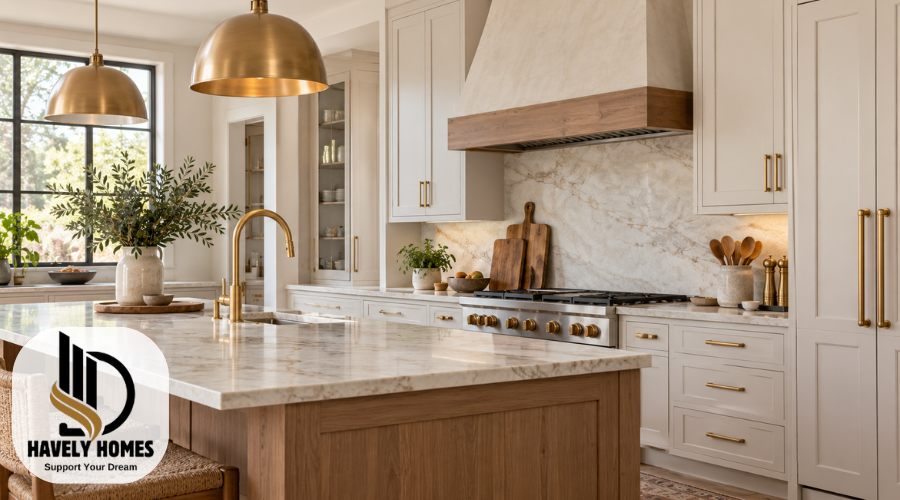
Kitchen cabinets are a popular place to introduce this finish. Satin brass drawer pulls, cupboard knobs, and handles can add warmth to painted or wooden cabinetry.
It can also appear on kitchen taps, provided the selected product is designed for plumbing use.
For a coordinated look, consider how the hardware works with the sink, worktop, and other visible fittings.
Bathroom
Bathroom cabinets, basin taps, towel rails, and shower fittings can feature satin brass.
The warm metal colour can complement white tiles, natural stone, and darker bathroom furniture.
However, bathroom fittings must be suitable for regular moisture exposure. A decorative cabinet handle should not automatically be treated as suitable for a wet shower area.
Living Room
In living rooms, satin brass works well on wall lights, decorative lamps, furniture handles, and small accessories.
A few carefully placed details can connect different pieces of furniture without making every metal surface identical.
Bedroom
Wardrobe handles, chest-of-drawer pulls, and bedside lighting can introduce a subtle golden accent.
The finish is particularly attractive alongside painted furniture, natural wood, and soft neutral colours.
Hallways and Doors
Interior door handles, hinges, locks, and decorative door fittings are other useful applications.
Matching nearby handles and visible hinges can create a more consistent appearance. For entrance doors, choose hardware specifically rated for exterior use and compatible with the door’s locking system.
Best Colours and Interior Styles for Satin Brass
Choosing suitable colours around satin brass can make the finish look more natural within a room.
White and cream create a clean background that allows the golden tones to stand out gently. Beige and other warm neutrals produce a softer, more connected appearance.
Grey can also work well, particularly when warm wood or textiles prevent the room from feeling too cold.
For stronger contrast, consider navy blue, deep green, or charcoal cabinetry. These darker colours can make brass handles more noticeable without requiring highly polished fittings.
Natural materials offer another attractive combination.
Oak, walnut, marble, limestone, and other stone surfaces can complement the warm appearance of brass. The result depends on the particular colours and textures selected.
The finish also suits several interior styles.
In modern interiors, simple satin brass handles can add warmth to clean cabinet designs. Mid-century modern spaces often combine well with warm metals and wooden furniture.
Transitional interiors can use brass details to connect traditional shapes with contemporary colours. In classic homes, satin brass offers a less reflective alternative to polished fittings.
You can also mix satin brass with black, chrome, or stainless steel.
A useful approach is to keep the main fixtures consistent within one area while introducing another metal through smaller accessories.
The goal is balance rather than matching every detail.
Advantages and Disadvantages of Satin Brass
Satin brass offers several benefits, but it also has limitations worth understanding.
Its main advantage is appearance. The warm colour adds interest to plain furniture and cabinetry, while the softer sheen helps prevent the metal from looking overly shiny.
It also works across different decorating styles, making it useful when updating a room without replacing every existing feature.
Another benefit is that fingerprints and small marks may be less noticeable than on mirror-polished surfaces.
However, satin brass is not maintenance-free.
Abrasive cleaning, repeated friction, or damage to a protective coating can leave visible marks. Some products may gradually change colour, especially when made from unlacquered brass.
Matching finishes from different manufacturers can also be difficult.
Price and durability vary according to materials, construction, and protective treatments. A satin appearance does not automatically mean that hardware is solid brass or particularly hard-wearing.
If you prefer a warm metal finish with modest shine, satin brass may be a good choice. If you expect every surface to retain exactly the same colour indefinitely, examine the finish specifications carefully before buying.
Is Satin Brass Suitable for Kitchens, Bathrooms, and Busy Areas?
Satin brass can work in frequently used areas, but choosing the right product matters.
Kitchen cabinet handles and interior door levers receive regular contact. Natural oils from hands, cleaning products, and everyday friction can affect some surfaces over time.
Protective coatings may reduce changes in appearance, but they can still wear or become damaged.
Bathrooms create additional challenges because of moisture, condensation, and cleaning products.
Some manufacturers offer satin brass finishes designed for bathroom use, while others advise against particular unlacquered versions in these conditions.
Always check the manufacturer’s suitability guidance rather than assuming all brass hardware performs equally well.
Exterior doors require even more consideration.
Rain, temperature changes, airborne pollution, and salt in coastal environments may affect exposed fittings. Hardware intended for outdoor use should have appropriate materials and corrosion protection.
Some manufacturers specifically approve their satin brass ranges for exterior installation, but that approval does not apply to every product.
For busy or damp areas, construction quality, protective treatment, and stated suitability are more important than the finish name alone.
How to Choose the Right Satin Brass Hardware
Before buying, consider how the hardware will be used and what lies beneath the decorative surface.
Solid brass hardware can be a good option for durable household fittings, although quality still varies. Brass-plated products may offer a similar appearance at a different price, but their surface layers can wear through.
Other brass-coloured products may also perform well when properly manufactured for their intended purpose.
Check the material and coating description instead of judging quality by colour.
Measurements are equally important.
For replacement cabinet pulls, measure the distance between the centres of the existing screw holes. This helps you choose handles that fit without drilling new holes.
Door handles require different checks, including compatibility with the existing latch, lock, spindle, and door arrangement.
When coordinating several products, order finish samples where possible. Compare them against cabinetry, paint, and flooring in both daylight and artificial lighting.
Also consider whether each fitting is suitable for its location.
A cabinet knob, bathroom tap, and entrance lock have different performance requirements, even when they share the same colour.
Simple cabinet-handle replacements may be manageable for homeowners with suitable tools. However, mains-powered lighting work should be handled by a qualified electrician, and plumbing or complex lock installations may require an appropriate professional.
How to Clean and Maintain Satin Brass
Good maintenance starts with knowing which type of finish you have.
For routine cleaning, a soft, dry cloth is often enough to remove dust and light fingerprints.
When more cleaning is needed, some manufacturers allow a slightly damp cloth with mild detergent. Others recommend dry cleaning or a specific care product.
Follow the instructions supplied with your particular hardware.
If damp cleaning is permitted, remove any remaining moisture with a clean, soft cloth. This is especially useful around bathroom and kitchen fittings where water marks can develop.
Avoid rough scouring pads, abrasive powders, bleach, and aggressive household cleaners unless the manufacturer specifically approves a product.
Lacquered brass should not be treated like exposed, uncoated metal.
Metal polish can damage protective lacquer, potentially causing uneven colour changes.
Unlacquered brass may naturally darken as it develops a patina. Some manufacturers permit suitable metal polish to restore a brighter appearance, while others recommend allowing the finish to age.
Do not automatically use vinegar, lemon juice, baking soda mixtures, or other household polishing remedies. These may alter the surface or damage certain coatings.
Regular gentle cleaning, prompt removal of moisture, and careful handling are usually more useful than intensive polishing.
Common Satin Brass Problems and Mistakes to Avoid
Even well-chosen hardware can develop appearance problems. Understanding the likely causes helps you avoid unnecessary damage.
Uneven Colour
Two satin brass products may have different golden tones because their manufacturers use different materials or finishing methods.
Natural lighting can also make identical-looking products appear different.
Comparing samples before purchasing multiple fittings is the most reliable way to check visual compatibility.
Tarnishing and Dark Spots
Unlacquered brass can darken naturally through oxidation. This is not necessarily a product defect.
However, unusual staining on coated hardware may suggest moisture exposure, chemical damage, or deterioration of the protective layer.
Check the manufacturer’s care advice before attempting to remove marks.
Scratches and Dull Patches
Repeated contact, abrasive cleaning, and rough handling may change the appearance of the surface.
Unlike ordinary dust, damage to plating or lacquer may not be removable through cleaning.
Trying to polish away a scratch can sometimes make it more noticeable.
Mismatched Hardware
One common decorating mistake is assuming all products labelled satin brass will match.
Cabinet handles, taps, and light fittings from different brands can have noticeably different shades.
Where a close match matters, compare physical samples and product finish codes before ordering.
Using the Wrong Cleaning Products
Strong chemical cleaners and unsuitable polishing compounds can affect both the brass and its protective treatment.
If you are uncertain whether a fitting is coated, avoid experimenting with cleaning mixtures.
For peeling lacquer, significant corrosion, damaged fixtures, or persistent discolouration, contact the manufacturer or a qualified restoration specialist.
If a door lock, tap, or electrical light fitting has a functional problem, arrange an appropriate professional repair rather than treating it as a cosmetic issue.
Conclusion
Satin brass is a versatile finish that brings warmth and a soft golden appearance to home interiors. Compared with polished brass, it offers a more understated shine, while antique brass creates a darker, aged effect. Brushed brass and gold-tone finishes can look similar, but their exact appearance varies.
From kitchen cabinets and bathroom fittings to bedroom furniture and door hardware, satin brass can complement many decorating styles.
The best results come from choosing suitable materials, checking protective coatings, comparing finish samples, and following the correct care instructions.
With thoughtful selection and maintenance, satin brass can be an attractive and practical finishing detail that suits both your home’s design and everyday needs.
Frequently Asked Questions
Is Satin Brass Made From Real Brass?
Not always. Some satin brass products are made from solid brass, while others use brass plating or decorative coatings over different metals. Always check the manufacturer’s material specifications before purchasing.
Does Satin Brass Look Different Under Various Lighting Conditions?
Yes. Natural daylight, warm bulbs, and cooler lighting can change how the golden colour appears. Checking a physical sample in your room helps you understand how the finish will look throughout the day.
Can Satin Brass Match Stainless Steel Appliances?
Yes. Satin brass cabinet handles can work well with stainless steel appliances, especially when the room has balanced colours and finishes. The metals do not need to match exactly to create a coordinated appearance.
Is Satin Brass The Same As Champagne Gold?
Not necessarily. Both finishes can have soft golden tones, but champagne gold is often lighter or more muted. Colour and sheen vary between manufacturers, so comparing samples is the best approach.
Does Satin Brass Work With Wooden Furniture?
Yes. Satin brass complements many wood finishes, including oak, walnut, and darker stained furniture. Its warm golden appearance can highlight natural wood tones without creating the strong reflections associated with polished brass.
Disclaimer: The information on Havely Homes is provided for general educational purposes only. Satin brass materials, coatings, maintenance requirements, and installation instructions may vary between manufacturers. Always check the product manual and official guidance before cleaning or installing hardware. Electrical lighting work, plumbing alterations, and complex installations should be handled by qualified professionals. Havely Homes is an independent informational website and does not engage in paid promotions or advertising.
