
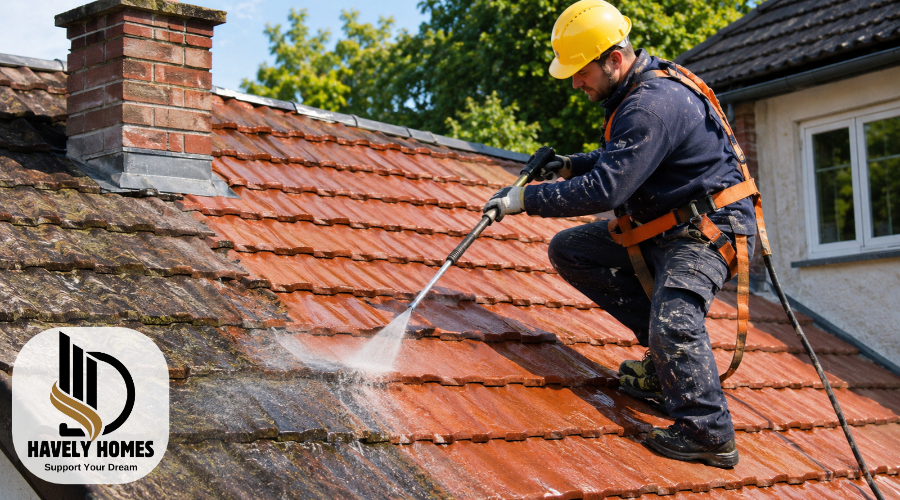
Your roof protects your home from rain, wind, sunlight, and changing weather conditions. However, years of exposure can gradually weaken roofing materials, damage protective components, and create problems that are not always visible from the ground.
Roofing restoration can be a practical option when an existing roof needs attention but remains suitable for continued use. Depending on its condition, the work may involve cleaning, replacing damaged materials, repairing vulnerable areas, and applying compatible protective treatments.
However, not every roof can be restored successfully. Some need only minor repairs, while others require complete replacement.
Understanding the differences can help homeowners avoid unnecessary expenses and make better decisions. This guide explains the signs of roof deterioration, restoration methods, potential costs, safety considerations, and how to choose reliable professional services.
Quick Answer:
Roofing restoration involves repairing and improving an existing roof that remains in serviceable condition. First, check safely for missing roofing materials, visible damage, blocked gutters, or indoor water stains before arranging a professional inspection.
Quick-Guide Table: Roofing Restoration Problems and Solutions
| Possible problem | What to check | Recommended action |
| Cracked or missing tiles | Visible gaps or damaged roof materials | Arrange professional replacement of damaged components. |
| Water stains or leaks | Ceiling stains, damp areas, or moisture marks | Request a roof inspection to identify the source. |
| Moss or algae growth | Surface growth and signs of material damage | Ask about suitable, material-specific cleaning methods. |
| Rust on metal roofing | Visible corrosion around panels or fasteners | Have affected areas professionally assessed and repaired. |
| Blocked gutters | Overflowing water or visible debris | Arrange safe gutter cleaning and drainage checks. |
| Sagging roof sections | Uneven or dipping rooflines | Seek urgent professional structural assessment. |
Helpful Steps: What to Check Before Roofing Restoration
- Inspect from the ground: Look for missing tiles, damaged shingles, uneven rooflines, or visible flashing problems.
- Check inside your home: Examine ceilings and upper walls for moisture stains, peeling paint, or damp patches.
- Observe drainage: Look for overflowing gutters or water collecting where it should drain away.
- Review recent damage: Consider whether storms, falling branches, or severe weather have affected the roof.
- Record visible problems: Take photographs from safe locations and note when leaks or other issues appeared.
- Arrange a professional inspection: Ask a qualified roofing contractor whether repair, restoration, or replacement is appropriate.
What Is Roofing Restoration and How Does It Work?
Roofing restoration is the process of improving the condition and performance of an existing roof through appropriate maintenance, repairs, and, where suitable, protective treatments. The aim is to address deterioration while retaining roofing materials that remain serviceable.
Unlike a complete roof replacement, restoration does not normally involve removing the entire existing roof covering.
The work depends on the roofing system. A tiled roof may require replacing damaged tiles and repairing ridge details. A metal roof might need corrosion treatment and repairs to fasteners or joints. Some flat roofs may be suitable for specialized protective coatings.
It is important to understand the differences between common roofing services.
Roof cleaning removes suitable dirt, debris, or biological growth. Roof maintenance involves ongoing inspections and preventive care. Roof repair addresses specific defects, while restoration may combine several treatments and repairs across a larger roof area.
A roof must be assessed before restoration begins. If its structure, underlying materials, or waterproofing system has deteriorated significantly, restoration alone may not provide a reliable solution.
Common Signs Your Roof May Need Restoration
Roof problems often develop gradually. Recognizing early warning signs can help prevent smaller defects from becoming expensive repairs.
Cracked, broken, displaced, or missing tiles and shingles are obvious signs that the roof needs attention. These openings may allow wind-driven rain to reach the layers underneath.
Water stains on ceilings, damp patches near walls, or peeling paint can also indicate moisture entering the home. However, these symptoms do not always originate from the roof, so identifying the actual cause is important.
Other warning signs include deteriorated flashing around chimneys, loose metal fasteners, damaged roof joints, and unusual amounts of roofing granules in gutters.
Moss, algae, and discoloration may affect appearance, but they do not automatically mean a roof is failing. Their significance depends on the roofing material and whether moisture or physical damage is present.
More serious signs include sagging roof sections, widespread material deterioration, and recurring leaks despite previous repairs. These problems require prompt professional assessment rather than cosmetic restoration.
What Causes Residential Roofs to Deteriorate?
Residential roofs face continuous exposure to environmental conditions. Over time, sunlight, rain, wind, and temperature changes can gradually affect their performance.
Strong sunlight can contribute to aging in certain roofing materials. Temperature changes cause materials to expand and contract, potentially placing stress on joints, fasteners, and protective surfaces.
Heavy rain may expose weaknesses in flashing, joints, or other vulnerable areas. High winds can loosen shingles and tiles, while hail and falling branches can cause physical damage.
Poor drainage is another common concern. Blocked gutters, roof valleys, and drainage outlets can allow water to collect where it should flow away.
Installation problems may also contribute to premature deterioration. Incorrectly fitted flashing, unsuitable fasteners, and poorly completed repairs can create weak points that become more noticeable during severe weather.
Neglected maintenance often allows these problems to develop unnoticed. Regular inspections help identify defects before they affect larger areas of the roof.
How to Check Your Roof Safely Before Restoration
Homeowners can identify some warning signs without climbing onto their roofs. A simple visual inspection from a safe location is a useful starting point.
From the ground, look for missing roofing materials, uneven roof lines, damaged gutters, and visible problems around chimneys or roof edges. Binoculars may help you see areas that are difficult to examine closely.
Inside the home, check ceilings and upper walls for discoloration, damp patches, or peeling finishes. If your attic has a safe and accessible inspection area, look for visible moisture, staining, or signs of daylight entering through unexpected openings.
Do not walk across ceiling insulation or unsupported attic surfaces. These areas may not safely support your weight.
Avoid climbing onto the roof yourself, particularly when surfaces are steep, wet, damaged, or difficult to access. Roof work involves serious fall risks, even on single-storey homes.
Older roofing materials may also contain asbestos. If you suspect this, do not drill, scrape, pressure-wash, or disturb the material. Arrange an assessment by an appropriately qualified professional.
If you notice significant sagging, serious storm damage, active water entry, or water near electrical fittings, seek professional assistance promptly. Avoid affected areas where there may be electrical or structural danger.
Roofing Restoration Methods for Different Roof Materials
Different roofing materials require different restoration techniques. A treatment suitable for one roof may damage another, making material identification an essential first step.
Concrete and clay tile roofs: Restoration may involve replacing broken or displaced tiles, addressing defective flashing, and repairing ridge components where necessary. Concrete tiles can sometimes be recoated for appearance, but coating is not automatically required. Clay tiles generally need appropriate repairs rather than surface painting.
Metal roofs: Metal roofing may develop corrosion, loose fasteners, damaged seals, or failing protective finishes. Depending on the extent of damage, professionals may replace affected components, address corrosion, and use coatings compatible with the existing metal and finish.
Asphalt shingle roofs: Damaged shingles can often be replaced individually when surrounding materials remain suitable. Cleaning requires particular care because aggressive washing can remove protective granules. Asphalt roofing manufacturers generally discourage aftermarket coatings and rejuvenators on installed shingles.
Slate roofs: Natural slate requires specialist knowledge. Restoration usually focuses on replacing damaged slates, addressing failed fixings, and repairing flashing without disturbing surrounding materials unnecessarily.
Flat roofs: Flat roofing systems may use different waterproof membranes or other specialized materials. Restoration can involve repairing seams, improving drainage, and evaluating whether a compatible coating system is appropriate. Wet insulation or widespread membrane failure may require more extensive replacement.
The correct approach always depends on material condition, the existing roof system, and manufacturer guidance.
The Residential Roofing Restoration Process: Step by Step
A professional restoration project normally begins with a detailed inspection rather than immediate cleaning or coating. The exact process varies according to the roof’s materials and condition.
Step 1: Initial Roof Inspection
The contractor examines visible roofing materials, flashing, joints, drainage systems, and signs of moisture damage. Areas beneath the roof may also require assessment.
Step 2: Restoration Planning
After identifying defects, the contractor determines which components can remain and which need repair or replacement. The proposed work should address underlying problems rather than appearance alone.
Step 3: Site Preparation
Professionals arrange appropriate access equipment, fall protection, and measures to protect nearby property. Weather conditions and material requirements are considered before work begins.
Step 4: Appropriate Roof Cleaning
Debris and suitable surface growth may be removed using methods approved for the roofing material. Some surfaces require gentle cleaning, while others should not be pressure-washed.
Step 5: Essential Repairs
Damaged tiles, shingles, flashing, fasteners, or other components are repaired or replaced as required. Problems affecting waterproofing must be addressed before additional surface treatments.
Step 6: Compatible Protective Treatments
Some roof systems may benefit from suitable primers, sealants, or coatings. These products should only be applied when the existing roof meets the relevant preparation and compatibility requirements.
Step 7: Final Inspection
The contractor checks completed repairs, drainage, visible workmanship, and the agreed project requirements. Homeowners should receive information about maintenance needs and any applicable warranties.
Roofing Restoration vs. Roof Repair vs. Replacement
Roof restoration, repair, and replacement are different approaches to maintaining a home’s roofing system. Understanding their purposes helps homeowners choose a suitable solution.
Roof repair usually addresses a specific problem, such as damaged flashing or several missing shingles. When the remaining roof is in good condition, localized repairs may be sufficient.
Roof restoration involves broader work to improve an existing roof. It may combine cleaning, multiple repairs, and material-specific treatments without replacing the complete covering.
Roof replacement involves removing the existing roofing materials and installing a new roof covering. It also provides an opportunity to inspect and repair damaged underlying components.
A roof with isolated defects may not need extensive restoration. Similarly, a roof with widespread deterioration, serious structural problems, or repeated failures may be unsuitable for restoration.
Replacement generally involves greater material removal and disruption, but it can offer better long-term value when the existing system has reached the end of its useful service life.
Before deciding, ask whether the proposed work addresses the cause of deterioration, how long the existing materials are reasonably expected to remain serviceable, and what future maintenance may be necessary.
Roof Coatings and Rejuvenators: Benefits, Risks, and Limitations
Roof coatings and rejuvenators are sometimes promoted as methods for extending roof performance. However, these products serve different purposes and are not suitable for every roofing system.
A roof coating creates a surface layer intended to provide specific protective properties. Depending on the product and application, it may improve appearance, weathering resistance, or sunlight reflectivity.
Reflective coatings can reduce solar heat absorption on suitable roofs, although the actual benefit depends on climate, building design, and existing insulation.
Roof rejuvenators are products marketed to restore certain characteristics of aging roofing materials, particularly asphalt shingles. Their claimed benefits should be evaluated carefully.
The Asphalt Roofing Manufacturers Association strongly advises against applying aftermarket coatings or rejuvenators to installed asphalt shingles. Such treatments may affect roof performance, manufacturer warranties, or compliance with applicable building requirements.
Even on suitable roofs, coatings cannot repair rotten decking, serious structural defects, or extensive water damage.
Before approving any treatment, homeowners should confirm product compatibility, existing roof condition, manufacturer recommendations, and warranty implications.
How Much Does Roofing Restoration Cost?
The cost of roofing restoration varies considerably because every roof has different materials, dimensions, access requirements, and maintenance needs.
A small residential roof requiring limited repairs may cost substantially less than a large roof with complex features and widespread deterioration.
Important pricing factors include roof size, slope, height, material type, existing damage, and labor requirements. Difficult access, scaffolding, specialized equipment, and the need for replacement materials can increase the overall expense.
Cleaning and coating may also affect pricing, but these services should only be included when genuinely appropriate for the roof.
Restoration is not automatically the cheapest long-term option. Repeatedly restoring a badly deteriorated roof may eventually cost more than replacing it.
Instead of relying on broad online price estimates, homeowners should request several itemized quotations. Each should explain the required repairs, materials, preparation work, labor charges, and any additional costs.
Comparing the proposed work is often more valuable than simply choosing the lowest price.
Benefits, Limitations, and Common Roofing Restoration Mistakes
When performed on a suitable roof, restoration can provide several practical advantages. It may help preserve serviceable roofing materials, correct existing defects, and improve the roof’s overall appearance.
Retaining usable materials can also reduce unnecessary removal and disposal. Appropriate maintenance and repairs may help a roof continue performing as intended.
However, restoration has important limitations. It cannot make severely deteriorated materials structurally sound, and no treatment can guarantee a fixed number of additional years of roof life.
Common mistakes include applying coatings over unresolved leaks, covering damaged flashing, and treating surface discoloration as proof of serious deterioration.
Aggressive pressure washing can damage vulnerable roofing materials, particularly asphalt shingles. Incompatible products may also cause additional problems.
Another mistake is choosing cosmetic improvements while ignoring drainage issues, damaged joints, or moisture beneath the roof covering.
A successful project should prioritize the roof’s condition and weather resistance. Appearance improvements are useful, but they should never replace essential repairs.
How to Find a Reliable Roofing Restoration Contractor Near You
Choosing a suitable contractor is an important part of residential roofing restoration. The quality of inspection and workmanship can affect the value of the completed project.
Homeowners searching for roofing restoration near me should begin by identifying local contractors experienced with their particular roofing material.
Recommendations from trusted neighbors, previous customers, and established local businesses can provide useful starting points.
Online roofing restoration reviews can also help, but ratings should not be the only consideration. Look for detailed feedback about workmanship, communication, completed repairs, and how contractors handled problems.
Before hiring, check the company’s applicable licensing, liability insurance, relevant experience, and references.
For example, homeowners comparing a roof repair company in Washington, DC, should verify licensing through the District’s Department of Licensing and Consumer Protection. Local permit requirements should also be confirmed before work begins.
Ask potential contractors for a written quotation describing the proposed repairs, materials, project schedule, payment terms, and warranties.
Be cautious of unsolicited offers after storms, high-pressure sales tactics, unrealistic guarantees, and requests for full payment before work begins.
If damage may be covered by home insurance, document visible problems safely and communicate directly with your insurer. Do not assume every restoration service or maintenance expense is covered.
A reliable contractor should explain the condition of your roof, recommend appropriate work, and clearly identify situations where restoration may not be worthwhile.
How to Maintain Your Roof After Restoration
Proper maintenance remains important after restoration. Even professionally completed work does not eliminate the effects of aging, weather, and everyday exposure.
Homeowners should regularly observe their roofs from safe locations and arrange professional inspections when necessary. Checking conditions in spring and autumn, and after significant storms, can help identify developing problems.
Keep gutters and drainage outlets clear so rainwater can move away from the roof. Accumulated leaves and debris should be removed using safe, appropriate methods.
Overhanging branches may contribute to debris buildup or cause damage during strong winds. Qualified tree professionals can help manage branches that threaten the roof.
Avoid unnecessary cleaning treatments. Always follow roofing material and manufacturer recommendations, particularly when addressing moss or algae.
Keep copies of inspection reports, completed repair records, warranties, and contractor maintenance instructions.
If water stains, damaged materials, or leaks appear after restoration, arrange an assessment promptly rather than assuming the previous work has permanently solved every possible roofing problem.
Conclusion
Roofing restoration can be a sensible way to maintain and improve a residential roof when its existing materials and underlying structure remain suitable.
The most important step is understanding the roof’s actual condition. Cracked materials, damaged flashing, drainage problems, and water leaks require appropriate assessment before restoration methods are selected.
Some roofs need only limited repairs, while others benefit from more extensive maintenance or require replacement.
By recognizing warning signs, avoiding unsafe DIY work, comparing professional recommendations, and maintaining the roof regularly, homeowners can make informed decisions that help protect their property and manage long-term roofing expenses.
Frequently Asked Questions
How Long Does Roofing Restoration Usually Take?
The duration depends on roof size, material, existing damage, weather conditions, and the required work. Minor projects may be completed quickly, while extensive restoration can take several days or longer.
Can Roofing Restoration Extend The Life Of An Old Roof?
Suitable repairs and maintenance may help a serviceable roof remain functional for longer. However, the outcome depends on its existing condition, roofing materials, workmanship, and exposure to weather.
Does Every Roof Need Painting During Restoration?
No. Many roofing materials do not need painting, and some should not receive aftermarket coatings. The appropriate treatment depends on the roof system, manufacturer recommendations, and overall condition.
Will Roofing Restoration Affect My Existing Roof Warranty?
It can. Certain cleaning methods, coatings, or modifications may affect manufacturer warranty coverage. Review your warranty documents and confirm acceptable restoration methods with the roofing manufacturer before approving work.
Does Home Insurance Cover Roofing Restoration?
Home insurance may cover eligible damage caused by specific insured events, such as storms. Routine maintenance, gradual deterioration, and cosmetic restoration are generally excluded, depending on the policy.
Disclaimer: The information published on Havely Homes is intended for general educational and informational purposes only. Roofing materials, conditions, and restoration requirements vary, so readers should consult qualified roofing professionals and follow relevant manufacturer guidance before making repair decisions. Roof inspections and restoration work can involve serious safety risks and should not be attempted without appropriate expertise and equipment.Havely Homes was created solely to share helpful information with visitors and does not engage in paid promotions or advertising. The website does not provide professional roofing services or guarantee specific restoration results.
