
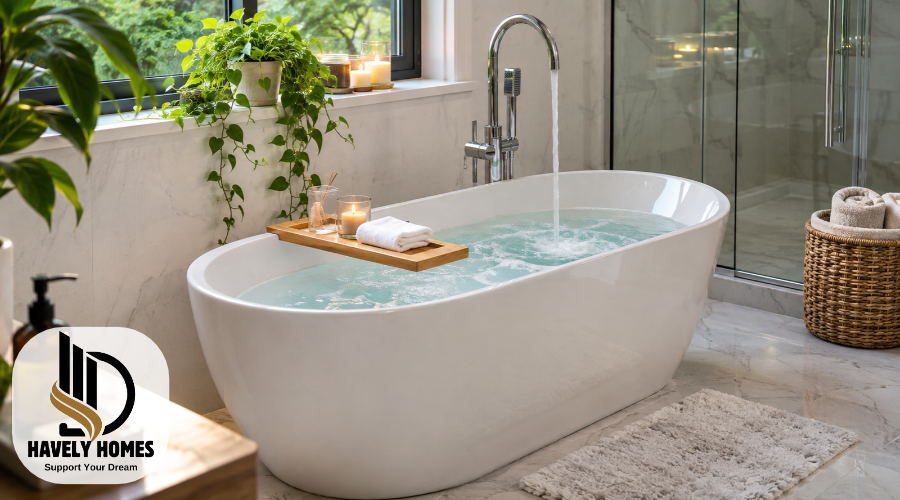
A bathtub is more than a place to wash. It is an important part of a bathroom that can make everyday routines more comfortable and convenient. Whether you are renovating an old bathroom or designing a new one, choosing the right bathtub can make a noticeable difference.
Bathtubs come in different shapes, sizes, materials, and designs. Some are made for smaller bathrooms, while others offer extra space for soaking and relaxing. Certain models also include special features such as water jets, built-in seating, or shower combinations.
The best choice depends on your bathroom layout, available space, household needs, and budget. This guide explains the main bathtub types, materials, measurements, installation considerations, and maintenance tips to help you make an informed decision.
Quick Answer:
A bathtub is a bathroom fixture designed for bathing and soaking. Before choosing one, check your bathroom space, bathtub dimensions, drain location, material, and household needs to ensure a comfortable and practical fit.
Quick-Guide Table
| Possible problem | What to check | Recommended action |
| Bathtub does not fit | Bathroom measurements and tub dimensions | Measure the available space before buying. |
| Water leaks around the bathtub | Seals, visible joints, and nearby surfaces | Stop using the affected area and arrange repairs where needed. |
| Bathtub drains slowly | Hair and soap buildup near the drain | Clean an accessible drain strainer safely. |
| Surface becomes scratched or dull | Bathtub material and cleaning products | Use a manufacturer-approved, non-abrasive cleaner. |
| Bathtub feels slippery | Surface texture and available support | Consider a suitable slip-resistant surface and professionally installed grab bars. |
| Bathtub feels uncomfortable | Interior shape, backrest, and water depth | Compare usable bathing dimensions before purchasing. |
Helpful Steps Before Buying a Bathtub
- Measure your bathroom: Check the available floor space and clearance around other fixtures.
- Choose a suitable design: Compare alcove, freestanding, soaking, and walk-in bathtubs according to your needs.
- Check the material: Consider durability, weight, cleaning requirements, and maintenance.
- Review the specifications: Confirm water depth, drain orientation, and included fittings.
- Plan your budget: Include installation, plumbing, waterproofing, and any necessary bathroom repairs.
- Consider everyday safety: Look for comfortable entry, suitable support, and practical controls.
Understanding Different Types of Bathtubs
Different bathtub styles serve different purposes. Understanding how each design works can help you choose a suitable option for your bathroom.
Alcove Bathtub
An alcove bathtub fits between three bathroom walls, leaving one exposed side for entry. It is a practical choice for many standard bathrooms because it uses an existing wall space efficiently.
Alcove tubs are also commonly combined with overhead showers, making them suitable for households that want both bathing options.
Freestanding Bathtub
A freestanding bathtub stands independently rather than being built into surrounding walls. These models come in modern oval, rectangular, and traditional clawfoot designs.
They can create an attractive bathroom feature, but require suitable floor space, plumbing arrangements, and cleaning access.
Drop-In and Undermount Bathtubs
A drop-in bathtub sits inside a specially constructed deck or surround, with its rim visible above the finished surface.
An undermount bathtub is installed beneath the surrounding deck material, creating a smoother transition around the opening. Both require careful construction and waterproofing.
Corner Bathtub
Corner tubs are designed to fit into a bathroom corner. Some offer generous bathing space, although their overall footprint can be wider than expected.
Walk-In Bathtub
A walk-in bathtub includes a door that allows users to enter without stepping over a traditional high bathtub wall. Many models include built-in seating and hand-held showers.
They may help people with limited mobility, although their suitability depends on individual needs.
Bathtub Materials: Which One Is Right for Your Home?
Bathtub materials affect weight, durability, appearance, cleaning requirements, and overall cost. Each material offers different advantages.
Acrylic Bathtubs
Acrylic is a popular choice because it is relatively lightweight and available in many shapes and sizes. Its smooth surface is generally easy to maintain with suitable cleaning products.
However, abrasive cleaners and sharp objects can damage the finish.
Fiberglass Bathtubs
Fiberglass-reinforced tubs are often among the more affordable options. Their lightweight construction makes handling and installation easier.
Lower-quality models may develop scratches, fading, or surface wear over time. Some can also feel less rigid than heavier alternatives.
Porcelain-Enameled Steel
These bathtubs have a steel body covered with a protective enamel finish. They provide a hard, smooth surface that is usually straightforward to clean.
The enamel may chip after a strong impact, potentially exposing the metal underneath.
Cast Iron Bathtubs
Cast iron bathtubs are known for their strong construction and durable enamel finishes. Their substantial mass can help retain heat once the tub has warmed.
However, their heavy weight makes transportation and installation more demanding. Floor support should be assessed before installation.
Stone Resin and Solid-Surface Bathtubs
These materials can provide a smooth, solid appearance and are often used in contemporary bathroom designs.
Their weight, stain resistance, repair options, and maintenance requirements vary by manufacturer, so checking individual product specifications is essential.
Bathtub Sizes and How to Measure Your Bathroom
Choosing the correct bathtub size is essential for comfort and proper installation. A bathtub that looks suitable in a showroom may not fit your available bathroom space.
A common alcove bathtub in the United States measures approximately 60 inches long and 30 inches wide, although wider, shorter, and longer models are available.
Before purchasing, measure the available floor area, wall-to-wall distance, and height around the proposed installation. Allow enough room for bathroom doors, cabinets, toilets, and comfortable movement.
Remember that exterior dimensions are not the same as usable bathing space. Thick sides, sloping backrests, and internal shapes can reduce the room available inside.
For soaking tubs, check the actual water depth to the overflow, rather than relying on the overall bathtub height.
A compact model may work better in a small bathroom, while a large bathtub needs sufficient surrounding space and hot-water capacity.
Also measure doorways, hallways, and staircases through which the bathtub must pass. Finally, confirm that the drain position matches the plumbing arrangement or can be professionally adapted.
Bathtub Shower Combinations and Wall Surrounds
A bathtub shower combination provides two bathing options within one area. It is particularly useful in bathrooms where a separate shower enclosure would occupy too much space.
An alcove bathtub is commonly used for this arrangement because the surrounding walls provide suitable locations for shower fittings and splash protection.
Homeowners can choose between tiled walls and compatible prefabricated bathtub surrounds. Some products are sold as coordinated bathtub-and-wall systems.
A bathtub with walls or an integrated surround can simplify the appearance of the bathing area, but the components must fit correctly.
Waterproofing is especially important. Tile and grout alone should not be treated as a complete waterproofing system. Properly installed backing materials, waterproof barriers, and sealed connections help protect the walls.
A suitable shower curtain or screen also reduces water escaping onto the bathroom floor.
Good ventilation helps control moisture and condensation. Choose fixtures and controls that can be reached comfortably without awkward stretching.
Soaking Bathtubs, Jetted Tubs, and Extra Comfort Features
A soaking bathtub is generally deeper than a standard bath, allowing more of the body to remain immersed in water. It can be a comfortable option for people who enjoy longer baths.
Some homeowners prefer a bathtub with jets for additional comfort.
Whirlpool bathtubs use a pump to circulate water through jets, creating a stronger water movement. Air baths use a blower to release bubbles through small openings, producing a gentler sensation.
These systems have different cleaning requirements, operating sounds, and electrical components.
Larger soaking tubs may also require considerably more water than smaller models. Check the manufacturer’s stated water capacity and whether your home’s water heater can meet that demand.
Jetted models need suitable electrical installation and access for servicing. Their internal circulation systems may require regular cleaning using model-specific instructions.
For everyday use, a comfortable backrest, practical depth, and suitable dimensions may be more valuable than additional features.
Important Bathtub Features to Check Before Buying
Appearance matters, but several practical details determine how comfortable and convenient a bathtub will be.
Start by checking the interior shape, backrest slope, and water depth. A bathtub with a comfortable reclining position may suit someone who enjoys soaking, while a shallower design can make entering and leaving easier.
Drain location is another important detail. Bathtubs may have left-hand, right-hand, or centre drains. The correct orientation depends on the product’s installation layout and existing plumbing.
Faucets must also suit the bathtub design. Wall-mounted, deck-mounted, and floor-mounted fittings have different space and installation requirements.
Check whether the bathtub includes an overflow fitting or requires compatible components to be purchased separately.
Slip-resistant surfaces can improve footing, although they do not eliminate slipping risks.
Finally, consider how the bathtub’s colour and shape fit with the bathroom floor, wall finishes, vanity, and other fixtures. A simple design that suits the room is often easier to live with than an impractical statement piece.
Choosing a Family-Friendly Bathtub and Bathing Babies Safely
Family bathrooms need bathing arrangements that are practical for people of different ages.
A standard alcove bathtub with a manageable entry height can work well for everyday family use. Parents may also appreciate a hand-held shower attachment for rinsing and cleaning.
For babies, a separate baby bathtub provides a smaller bathing space. It still requires constant adult support and supervision.
Bathwater for babies should feel comfortably warm, not hot. Mix the water thoroughly and check its temperature before placing the baby inside. Always support the baby’s head and shoulders and keep their face clear of the water.
Never leave a baby or young child alone in a bathtub, even briefly. Bath seats do not replace adult supervision.
Prepare towels, clean clothes, and other essentials before beginning. Once bathing is finished, empty the water promptly.
For older children, maintain a clean, slip-resistant bathing area and keep cleaning chemicals out of reach.
A family-friendly bathtub should make everyday bathing manageable without compromising basic safety.
Bathtub Accessibility, Comfort, and Everyday Safety
Bathtub accessibility becomes especially important for older adults and people who experience difficulty stepping into or standing inside a bath.
Traditional bathtub walls can present challenges for users with reduced balance or mobility. Lower entry heights, suitable grab bars, and properly designed seating may help.
Walk-in bathtubs can offer easier access through a low-threshold door. However, users generally need to close the door before filling the tub and wait for the water to drain before leaving.
This arrangement may not suit everyone.
Properly secured grab bars can provide support when entering or leaving a bathtub. They must be installed into suitable structural support rather than attached to weak wall surfaces.
Slip-resistant finishes and accessible faucet controls are also worth considering.
For people with significant mobility difficulties, an occupational therapist or qualified accessibility specialist can help assess whether a walk-in bathtub, adapted bath, or accessible shower would be the safer option.
What to Consider Before Installing a Bathtub
Bathtub installation involves more than placing a new fixture in the bathroom. The existing plumbing, floor structure, and surrounding surfaces must all be suitable.
Before installation, inspect the visible bathroom area for water damage, loose flooring, or signs of previous leaks. Hidden damage may only become clear after removing the old bathtub.
Drain alignment and water supply connections must match the new fixture. Changes to plumbing should be handled by a qualified professional where required.
Heavy bathtubs, particularly cast iron and some stone models, may need an assessment of the floor’s load-bearing capacity.
Waterproofing is equally important. Incorrectly installed surrounds or poorly sealed joints can allow moisture to damage walls and flooring.
Deeper bathtubs require attention to hot-water capacity and safe temperature control.
Common installation problems include incorrect measurements, insufficient support, inaccessible plumbing connections, and unsuitable sealing materials.
For jetted bathtubs, electrical work must follow applicable safety requirements and manufacturer instructions. A qualified electrician should handle wiring and electrical connections.
Professional installation is advisable whenever structural changes, complex plumbing, or electrical systems are involved.
Bathtub Replacement: Repair, Refinish, or Install a New One?
Bathtub replacement may become necessary when an existing bath develops serious damage, persistent leaks, or no longer meets household needs.
However, not every worn bathtub needs replacing.
Small scratches, minor chips, and some surface stains may be repairable, depending on the material and extent of the damage.
Professional refinishing can sometimes improve the appearance of an older bathtub with a worn surface. It does not correct serious structural problems or hidden water damage.
Replacement may be more appropriate when cracks compromise the bathtub, leaks repeatedly occur, or the existing design is unsuitable for the bathroom.
During replacement, installers may need to remove surrounding panels or tiles, disconnect plumbing, and inspect the underlying structure.
The new bathtub must then be supported, connected, and sealed according to its installation instructions.
Before deciding, compare repair costs with the expected condition and usefulness of the existing tub. A successful repair may save money, while a new bathtub can provide better long-term value when extensive work is necessary.
Bathtub Prices, Budget Planning, and Buying Tips
Bathtub prices vary widely depending on material, dimensions, design, manufacturer, and additional features.
Basic fiberglass or acrylic models are often less expensive than premium cast iron, solid-surface, or specialised jetted bathtubs.
However, the purchase price is only part of the total project cost.
Installation may require new plumbing fittings, faucets, wall surrounds, waterproofing materials, flooring repairs, or structural work.
A freestanding bathtub may also require changes to the existing water supply and drain positions.
When comparing products at home-improvement retailers such as Lowe’s, review the full specifications rather than relying only on product photographs.
Pay attention to dimensions, drain orientation, water capacity, included accessories, and installation requirements.
Manufacturer warranties may differ in coverage and duration. Customer reviews can provide useful information about everyday comfort and maintenance, but should not replace technical documentation.
Before purchasing, make a simple checklist covering available space, preferred material, intended use, installation costs, and maintenance needs.
Planning these details early can help prevent expensive changes later.
Bathtub Cleaning, Maintenance, and Common Problems
Regular maintenance helps preserve a bathtub’s appearance and reduces the likelihood of avoidable problems.
For everyday cleaning, use a soft cloth or non-abrasive sponge with a cleaner approved for your bathtub’s material. Rinse thoroughly and remove remaining moisture when practical.
Acrylic, fiberglass, enamel, and solid-surface products can have different cleaning restrictions. Always follow the manufacturer’s care instructions.
Avoid assuming that strong chemicals, abrasive powders, or metal scouring pads are suitable for every surface.
Soap scum and mineral deposits are easier to manage when cleaned regularly.
Pay attention to the drain, overflow area, and seals around the bathtub. Damaged sealant or loose fittings may allow water to reach surrounding materials.
Slow drainage can result from hair and soap buildup. A removable, accessible drain strainer can usually be cleaned without disturbing the plumbing.
Persistent unpleasant odours or repeated blockages may require a plumber.
Jetted bathtubs need additional maintenance because water or residue can remain within circulation components. Follow the manufacturer’s instructions for cleaning or flushing the system.
If you notice continuing leaks, significant cracks, unstable support, or problems involving electrical components, stop using the affected fixture and arrange professional inspection.
Prompt attention to small problems can help prevent more serious bathroom damage.
Conclusion
Choosing the right bathtub involves balancing comfort, bathroom space, material quality, and everyday practicality.
Alcove bathtubs work well in many standard bathrooms, while freestanding and soaking designs can offer a different bathing experience. Materials such as acrylic, fiberglass, steel, and cast iron each have benefits and limitations.
Before buying, carefully check dimensions, plumbing compatibility, installation needs, and long-term maintenance requirements. Consider accessibility and safety alongside appearance, particularly in shared family bathrooms.
A well-chosen bathtub should fit naturally into your home, remain comfortable to use, and support your household’s needs for years to come.
Frequently Asked Questions
What Is The Difference Between A Standard Bathtub And A Soaking Bathtub?
A soaking bathtub generally provides greater water depth than a standard bathtub, allowing more of the body to remain immersed. Actual depth and comfort depend on the model’s interior design.
Can A Freestanding Bathtub Also Be Used As A Shower?
Yes, some freestanding bathtubs can accommodate compatible shower fittings. However, proper splash protection, waterproofing, plumbing arrangements, and sufficient surrounding space are necessary for practical everyday use.
Are Walk-in Bathtubs Suitable For Older Adults?
Walk-in bathtubs may help some older adults by offering a lower entry threshold and built-in seating. However, users usually must remain seated while the bathtub fills and drains.
Is It Better To Repair Or Replace An Old Bathtub?
Minor chips, scratches, and surface damage may be repairable. Replacement is often more appropriate when serious cracks, persistent leaks, or structural problems affect safety or long-term performance.
What Is The Difference Between A Whirlpool Bathtub And An Air Bathtub?
Whirlpool bathtubs circulate water through jets to create stronger water movement. Air bathtubs release bubbles through small openings. Both systems have different operating features and maintenance requirements.
Disclaimer: This article is provided by Havely Homes for general informational purposes only. Bathtub designs, materials, installation requirements, and maintenance instructions vary by manufacturer and model. Always consult the product manual or official manufacturer guidance. Professional assistance is recommended for plumbing, electrical connections, waterproofing, and structural work. Havely Homes was created to provide helpful information to visitors and does not engage in paid promotions or advertising.
