
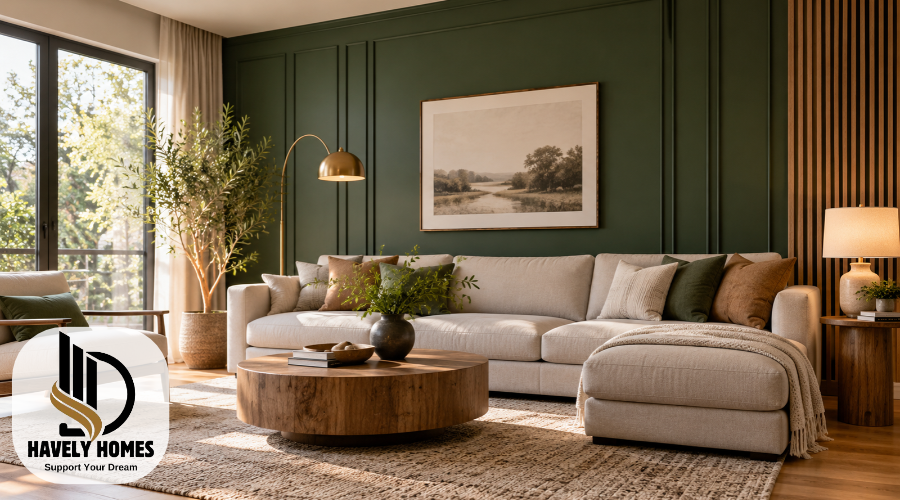
Accent walls are a simple way to bring colour, personality, and character into your home. Instead of changing every wall in a room, you can highlight one area with a different colour, material, or decorative finish. This approach creates visual interest while allowing the rest of the space to remain balanced.
Whether you enjoy modern interiors, traditional decoration, or a mixture of styles, accent walls offer plenty of creative possibilities. Painted designs, wooden panels, textured wallpaper, and decorative moulding can all make an ordinary wall more attractive.
The secret is choosing a design that works with your room rather than against it. Understanding colours, materials, lighting, and furniture placement will help you create an accent wall that feels like a natural part of your home.
Quick Answer:
Accent walls are walls decorated with a different colour, texture, or material to create a focal point. Before decorating, check the room’s layout, lighting, wall condition, and existing furniture to choose a suitable design.
Quick-Guide Table for Accent Walls
| Possible problem | What to check | Recommended action |
| Accent wall looks too dark | Natural light and surrounding colours | Try a lighter shade or balance the wall with lighter furniture. |
| Room feels overcrowded | Patterns, furniture, and decorations | Choose a simpler design and reduce competing decorative elements. |
| Paint looks uneven | Wall preparation and surface condition | Repair minor imperfections and use suitable primer where needed. |
| Wallpaper starts peeling | Surface condition, moisture, and adhesive compatibility | Address moisture problems and follow the wallpaper manufacturer’s instructions. |
| Wood panels look unbalanced | Wall dimensions and panel spacing | Plan the panel layout and measure carefully before installation. |
| Accent wall feels out of place | Furniture placement and existing focal points | Choose a wall that complements the room’s natural focal point. |
Simple Steps to Create a Beautiful Accent Wall
- Choose the right wall: Select a wall that naturally attracts attention, such as the one behind a sofa or bed.
- Decide on your design: Consider paint, wallpaper, wooden panels, or decorative moulding.
- Select suitable colours: Choose shades that complement your furniture, flooring, and existing decoration.
- Check the wall condition: Look for cracks, peeling paint, or moisture problems before decorating.
- Prepare the surface: Clean the wall, make suitable minor repairs, and follow the product’s preparation instructions.
- Complete the decoration: Apply paint or install the chosen finish according to the manufacturer’s instructions. Leave electrical or complex installation work to qualified professionals.
What Are Accent Walls and Why Are They Popular?
An accent wall, sometimes called a feature wall, is a wall designed to stand out from the surrounding surfaces. It may have a contrasting paint colour, decorative panels, wallpaper, or another distinctive finish.
The main purpose is to create a focal point. For example, a deep green wall behind a cream sofa can draw attention to the seating area, while wooden panelling behind a bed can give the bedroom more character.
Accent walls offer several decorating benefits. They allow homeowners to experiment with colours, introduce interesting textures, and highlight attractive architectural features without redesigning an entire room.
Some designs are subtle, using gentle colour differences or simple moulding. Others make a stronger statement through dark paint, patterned wallpaper, or natural wood.
Accent walls are not limited to one decorating trend. They can work in classic, contemporary, rustic, and minimalist homes. Their success depends on how well the chosen design complements the space.
How to Choose the Right Wall for an Accent
Choosing the right wall is often more important than choosing the colour. A feature wall should draw attention to an area that already has a clear purpose or attractive appearance.
In living rooms, the wall behind a sofa or fireplace can be a good option. Bedrooms commonly feature the wall behind the headboard, while dining rooms may benefit from highlighting the wall beside the table.
Consider what you notice when entering the room. A wall facing the doorway can create an immediate impression, but it is not automatically the best choice.
Look carefully at the room’s shape. Walls interrupted by several doors, awkward windows, or built-in features can make some patterns difficult to balance. A relatively uninterrupted wall is often easier to decorate.
Lighting also matters. Natural sunlight can change how a paint colour appears throughout the day, while lamps may bring out warmer or cooler tones.
Before deciding, consider whether the feature wall will compete with another strong element, such as a large fireplace or colourful furniture. The goal is to create a coordinated space, not several competing focal points.
Choosing Accent Wall Colours That Complement Your Home
The right colour can change the overall feeling of a room. It should suit your existing furniture, flooring, lighting, and decorating preferences.
Neutral shades such as beige, cream, taupe, and warm grey are useful for creating a soft, understated appearance. They work particularly well in rooms with natural wood furniture or simple decoration.
For stronger contrast, consider navy blue, forest green, charcoal, or terracotta. These colours can create a rich backdrop for artwork and lighter furniture.
Lighter shades often help maintain an open, airy appearance. Darker colours can add depth and make a seating or sleeping area feel more enclosed and cosy. However, the result depends on lighting, room proportions, and surrounding colours.
A useful approach is to select an accent colour already present in a rug, cushion, curtain, or piece of artwork. This creates a connection between the wall and the rest of the room.
Always test samples before committing. Check them during daylight and under your usual evening lighting, as the same colour may look noticeably different.
Painted Accent Walls: Simple Ideas with a Creative Finish
Painted accent walls are among the most accessible decorating options. They require fewer materials than many wall treatments and can be updated when your preferences change.
A single painted wall is an effective choice for homeowners who prefer a clean appearance. Deep blue against light grey, for example, creates contrast without introducing a complicated pattern.
For something more creative, consider two-tone painting. Dividing a wall into two colours can add interest, particularly when the dividing line relates to nearby furniture.
Geometric patterns offer another possibility. Simple shapes, diagonal sections, and painted arches can create an attractive feature without installing permanent panels.
Paint finish deserves attention too. Matte finishes create a low-sheen appearance, while eggshell or satin finishes may be more practical where walls need regular cleaning, depending on the product.
A smooth, properly prepared surface is important because uneven patches and damaged paint can affect the finished result.
For budget-friendly decorating, a carefully chosen colour and a few basic painting tools can provide a noticeable update without major renovation work.
Modern Accent Walls with Wood and Decorative Panelling
Wood is a popular choice for adding texture and natural warmth to interior spaces. Modern accent walls made with wood can suit living rooms, bedrooms, dining areas, and home offices.
Vertical wooden slats create a series of clean lines that may make a wall appear taller. Horizontal boards can emphasise width, while geometric designs create a more decorative effect.
Several panelling styles offer different appearances.
Board-and-batten panelling uses boards and narrow raised strips to create a structured pattern. Picture-frame moulding forms decorative rectangular shapes, making it suitable for both traditional and modern interiors.
Natural oak tones, walnut shades, and other wood finishes can complement neutral furniture. Painted panelling offers a different approach, especially when the trim and wall share the same colour.
Consider the thickness and spacing of the panels. Deep or closely spaced details may feel too busy in compact rooms.
Installation also requires care. Panels must be suitable for their location and securely fitted using appropriate methods. Regular dusting and occasional cleaning according to the material’s instructions help preserve their appearance.
Wallpaper, Murals, and Textured Accent Wall Ideas
Wallpaper offers an alternative to paint when you want patterns, detailed artwork, or decorative texture.
Botanical designs can bring a nature-inspired appearance into bedrooms and living rooms. Abstract patterns suit contemporary spaces, while subtle linen-look finishes create interest without strong visual contrast.
Wall murals are particularly useful for creating a statement. Large floral designs, landscapes, or artistic patterns can turn an otherwise plain wall into a decorative feature.
Other options include brick-effect finishes, stone-look surfaces, and textured wallcoverings. These provide different appearances, although printed imitation textures do not necessarily feel like the materials they represent.
Traditional wallpaper generally requires an appropriate adhesive and careful installation. Peel-and-stick wallpaper has its own adhesive backing, but it is not suitable for every surface.
Some removable products require smooth, fully cured painted walls and may not adhere properly to textured or unsuitable paint finishes. Always follow the particular manufacturer’s instructions.
Bathrooms and kitchens require additional care because moisture, splashes, and heat can damage inappropriate materials.
Choose patterns that complement the room’s size, furniture, and colours rather than making every decorative element compete for attention.
Accent Wall Ideas for Living Rooms
The living room is an excellent place to introduce an accent wall because it often contains a natural focal point.
A wall behind the sofa can work beautifully with contrasting paint or wallpaper. For example, a muted green feature wall combined with beige seating and wooden furniture creates a coordinated, welcoming arrangement.
Television walls can also benefit from simple decorative treatment. Wood slats, understated panelling, or a dark painted background may help organise the visual appearance of the entertainment area.
Fireplace walls offer another opportunity, but nearby finishes must meet the fireplace manufacturer’s heat and clearance requirements.
When planning accent walls for living rooms, use existing furnishings as your starting point. Cushions, curtains, artwork, and rugs can provide useful colour inspiration.
In open-plan spaces, a feature wall can help distinguish the seating area from the dining space without adding physical partitions.
Avoid excessive decoration around an already detailed wall. A balanced arrangement of furniture and carefully chosen accessories usually creates a more comfortable result than filling every available surface.
Accent Wall Ideas for Bedrooms
Bedrooms benefit from designs that reflect personal taste while maintaining a comfortable atmosphere.
The wall behind the headboard is a common choice because the bed naturally attracts attention. Highlighting this area creates a clear centre for the room.
Soft blue, muted sage green, warm beige, and gentle grey can create a calm-looking background. Richer colours, including navy and charcoal, offer a more dramatic appearance when balanced with suitable lighting.
There are many accent wall ideas for bedrooms beyond ordinary paint. Upholstered wall panels can introduce softness, while wooden slats add texture. Decorative moulding provides an elegant option for traditional and contemporary rooms.
In smaller bedrooms, simple painted designs or narrow sections of panelling may work better than large, complicated patterns.
Coordinate the feature wall with bedding, bedside tables, curtains, and lamps. Similar tones or carefully selected contrasting shades can make the arrangement feel connected.
Lighting is especially important in bedrooms. Wall colours may appear different under warm bedside lamps than they do in daylight, so check samples under both conditions.
Accent Wall Ideas for Other Rooms in the Home
Accent walls can improve many areas beyond living rooms and bedrooms. Each space has different practical needs, so materials should be selected accordingly.
Dining rooms: Decorative moulding, deep paint colours, and patterned wallpaper can highlight the dining table. Warm shades and simple wooden details work well with traditional furniture.
Home offices: A feature wall behind the desk can create an attractive working background. Neutral colours, subtle patterns, or restrained wood panelling help maintain a tidy appearance.
Entryways and hallways: These areas often have limited space for furniture. A painted section or decorative panel can add personality without taking up valuable floor space.
Kitchens: Washable paint and suitable wall finishes are practical choices. Areas exposed to direct splashes or cooking heat need finishes specifically designed for those conditions.
Bathrooms: Moisture-resistant materials and good ventilation are essential. Ordinary wallpaper should not be installed where it receives direct water exposure unless the product is specifically approved for that location.
Children’s rooms: Painted shapes, cheerful colours, and simple patterns can create playful surroundings. Any installed panels or decorative features should be securely fixed and appropriate for the room.
Making Accent Walls Work in Small and Awkward Spaces
Small rooms can benefit from accent walls, but the design needs careful planning.
A light or softly contrasting feature wall may introduce character while keeping the room visually open. Strong colours can also work, particularly when the surrounding furniture and decoration remain simple.
Vertical stripes or narrow wooden panels may create the impression of greater height. However, these effects depend on the wall proportions and surrounding design.
In narrow bedrooms, highlighting the wall behind the bed can help organise the space. Compact living rooms may benefit from a feature wall behind the main seating area.
Rooms with sloping ceilings, alcoves, or awkward corners offer opportunities for smaller decorative treatments.
You do not always need to decorate an entire wall. Painting an alcove, highlighting a recessed section, or adding a limited area of moulding can provide enough interest.
The most important consideration is balance. A design should complement the available space rather than make it feel unnecessarily crowded.
How to Plan and Create an Accent Wall at Home
Creating an accent wall begins with thoughtful planning. Even a simple painting project benefits from careful preparation.
Before purchasing materials, decide what you want the wall to achieve. Consider whether you prefer a subtle background, a bold colour, or a textured design.
For a basic painted accent wall, follow these practical steps:
- Choose and measure the wall. Check its height and width to estimate the required paint or materials.
- Inspect the surface. Look for cracks, peeling paint, damp patches, or other visible problems.
- Prepare the room. Move furniture, protect flooring, and clean the wall. Repair minor surface damage where appropriate.
- Prepare for painting. Use suitable painter’s tape and primer where required. Make sure repaired areas are dry and ready for coating.
- Apply the paint. Use appropriate brushes and rollers, follow the product’s application and drying instructions, and allow sufficient time between coats.
Wallpaper and wooden panelling require additional planning. Measure carefully, allow for wallpaper pattern matching, and follow the installation instructions for your chosen materials.
Safety is equally important. Maintain suitable ventilation when painting and use appropriate equipment for elevated work.
Never drill, nail, or cut into a wall without considering concealed electrical cables and water or gas pipes. If their locations are uncertain, seek professional assistance.
Older painted surfaces may contain hazardous materials. In the United States, homes built before 1978 may contain lead-based paint, and disturbing it can produce dangerous dust. Other countries also have older properties where lead paint may be present.
Persistent damp, serious wall damage, electrical changes, and complicated installations should be assessed by qualified professionals before decorating.
Common Accent Wall Mistakes and How to Avoid Them
An accent wall can improve a room, but poor planning may leave the finished space looking unbalanced.
One common mistake is choosing a wall simply because it is empty. The selected wall should relate to the room’s layout and natural focal points.
Another problem is selecting paint without testing it. A colour that looks attractive in a shop may appear completely different in a room with limited daylight.
Too many competing patterns can also create visual clutter. If your wallpaper has a detailed design, surrounding furniture and accessories may look better in simpler colours.
Surface preparation is another area that homeowners sometimes overlook. Applying paint or wallpaper over loose paint, grease, dampness, or damaged plaster can cause poor adhesion and an uneven finish.
Material suitability matters as well. Delicate wallcoverings may be difficult to maintain in busy areas, while unsuitable finishes can deteriorate in humid rooms.
Finally, remember that every finish needs appropriate care. Painted surfaces may require gentle cleaning or occasional touch-ups. Wooden panels collect dust, and textured wallpaper should be cleaned according to its manufacturer’s guidance.
Addressing these details early helps maintain an attractive and practical feature wall.
Conclusion
Accent walls offer a flexible way to add personality, colour, and decorative interest to your home. From simple painted surfaces to wooden panelling and patterned wallpaper, there are options for different rooms, budgets, and interior styles.
A successful design starts with choosing the right wall and understanding how colours, materials, lighting, and furniture work together. Proper preparation and safe installation are just as important as appearance.
You do not need expensive materials or complicated decoration to create something attractive. With thoughtful choices and attention to detail, an accent wall can become a beautiful, comfortable, and lasting part of your home.
Frequently Asked Questions
Are Accent Walls Still Popular In Modern Homes?
Yes, accent walls remain a useful interior design choice. Modern designs often feature natural wood, subtle colours, decorative moulding, or textured wallpaper. The best option depends on your home’s style and personal preferences.
Can You Have Two Accent Walls In One Room?
Yes, but two accent walls require careful planning. Using complementary colours or similar materials can create balance. In smaller rooms, one feature wall may be enough to avoid visual clutter.
Do Accent Walls Make A Room Look Bigger Or Smaller?
Accent walls can influence how spacious a room appears. Light colours may create an airy feeling, while darker shades add depth. The final effect depends on lighting, furniture placement, and room proportions.
What Is The Most Affordable Way To Create An Accent Wall?
Painting one wall is often among the most affordable options. You can create an attractive feature using a carefully chosen colour, basic painting tools, and proper surface preparation without installing expensive decorative materials.
Should An Accent Wall Be Darker Than The Other Walls?
Not necessarily. An accent wall can be lighter, darker, or similar in colour to surrounding walls. Contrast can also come from wallpaper, wood panelling, decorative moulding, or interesting textures.
Disclaimer: This article is provided by Havely Homes (havelyhomes.com) for general informational purposes only. Wall conditions, decorating materials, and installation requirements may vary. Always follow the relevant manufacturer’s instructions and consult a qualified professional for electrical work, hidden wiring, serious damp problems, or complex home repairs. Havely Homes was created solely to provide helpful information to visitors. It does not engage in guest posting, paid promotions, or advertising.
