
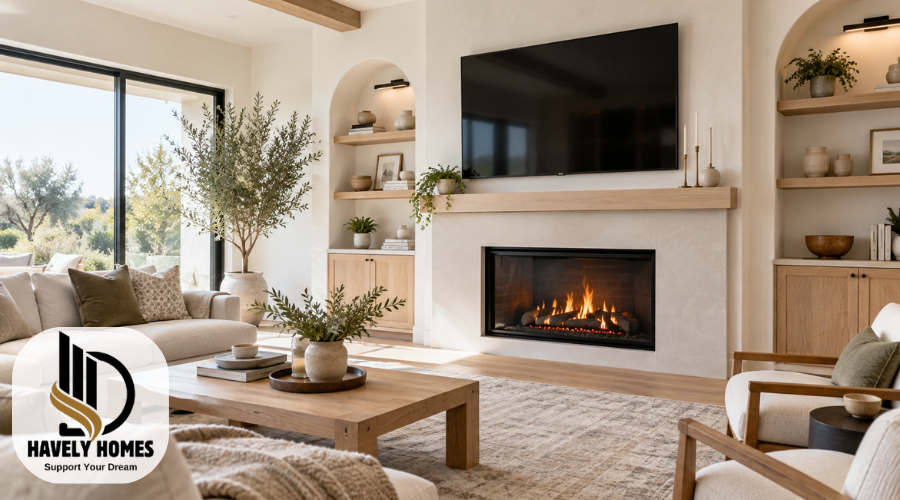
A TV over fireplace arrangement can make a living room look organized, modern, and welcoming. Many homeowners choose this design because it saves wall space and brings two important features together in one central location. It can be especially useful in smaller rooms where furniture placement is limited.
However, mounting a television above a fireplace requires more planning than choosing an attractive wall. Rising heat, screen height, viewing comfort, and mounting safety can all affect the final result. A beautiful installation may become uncomfortable or unsafe if these factors are ignored.
Before making changes to your living room, it helps to understand the benefits, possible problems, and available solutions. With careful planning and the right professional guidance, you can decide whether this arrangement is suitable for your home.
Quick Answer:
A TV over a fireplace can save space, but heat, mounting height, and wall support may cause problems. First, check the fireplace and TV manuals, required clearances, and whether the screen offers comfortable viewing.
Quick-Guide Table
| Possible problem | What to check | Recommended action |
| Excessive fireplace heat | TV operating limits and fireplace heat direction | Get a professional heat assessment or choose another location. |
| TV mounted too high | Screen position from normal seating | Consider a lower position or compatible adjustable mount. |
| Unsafe wall support | Wall construction and mount compatibility | Have a qualified installer inspect the wall. |
| Fireplace clearance issues | Manufacturer instructions and surrounding materials | Follow the specific clearance requirements. |
| Visible or poorly routed cables | Outlet position and cable pathways | Use suitable surface covers or hire an electrician. |
| Blocked ventilation | Fireplace outlets and TV ventilation openings | Keep all required ventilation areas unobstructed. |
Helpful Steps Before Mounting a TV Over a Fireplace
- Check both manuals: Find the exact television and fireplace models and review their installation requirements.
- Evaluate the fireplace area: Identify visible heat outlets, ventilation openings, and any manufacturer restrictions.
- Test the viewing position: Mark the planned TV outline using painter’s tape and check it while sitting on your sofa.
- Consider the wall structure: Avoid drilling until the mounting surface and hidden utilities have been properly assessed.
- Plan electrical connections: Decide where the outlet and cables will go without using unsafe concealed power cords.
- Get professional advice: If heat exposure, installation clearances, or wall strength are uncertain, consult a qualified installer before proceeding.
Is a TV Over the Fireplace Right for Your Living Room?
Placing a television above the fireplace works best when the room has limited wall space or when the fireplace already serves as the main focal point. Combining both features can make furniture arrangement easier, especially when windows, doorways, or built-in shelves occupy other walls.
However, every living room has a different layout. A large fireplace with a tall mantel may force the screen too high, making everyday viewing uncomfortable. Lower ceilings can also make the television appear crowded between the mantel and ceiling.
Before choosing this arrangement, consider where people normally sit, how far they are from the screen, and how frequently the fireplace is used.
If your family watches television for several hours each day, viewing comfort deserves particular attention. A separate entertainment wall may be more practical if the fireplace makes safe, comfortable positioning difficult.
The best choice is not necessarily the most fashionable design. It is the arrangement that works naturally with your room, furniture, and daily activities.
Benefits and Drawbacks of Placing a TV Above a Fireplace
One major advantage of mounting a television above a fireplace is better use of available wall space. Instead of having separate areas for entertainment and the fireplace, homeowners can create one focal point.
This arrangement can also reduce the need for a large television cabinet, leaving more floor space for furniture and movement. When cables are properly organized, the finished wall can look clean and balanced.
However, there are disadvantages to consider.
A television mounted above a tall mantel may require viewers to look upward for long periods. Fireplace heat can also affect electronic components if temperatures exceed the manufacturer’s recommended limits.
Another concern is cable management. Hiding electrical connections around brick, stone, or an existing chimney structure may require professional work.
For occasional television watching, these compromises might be manageable. For regular movie nights, gaming, or extended viewing, a lower television position may offer a more comfortable experience.
How Different Fireplace Types Affect TV Placement
The type of fireplace in your living room plays an important role in determining whether a television can be installed above it. Different fireplaces release and distribute heat differently, so their installation requirements are not the same.
Wood-Burning Fireplaces: Traditional wood-burning fireplaces can produce considerable heat. Smoke, ash, and soot may also create problems, especially if the fireplace is frequently used or poorly maintained. Older masonry fireplaces require particular care because hidden chimney structures can complicate mounting.
Gas Fireplaces: Gas fireplaces often provide controlled heating, but the wall above them can still become hot. Some modern models have specially designed heat-management systems that redirect warm air away from the television area. These systems must be compatible with the fireplace and installed according to its instructions.
Electric Fireplaces: Electric models can offer more flexibility, particularly those designed for media walls. However, some electric fireplaces direct heated air upward or through front vents.
No fireplace type is automatically safe for television mounting. Always check the specific fireplace instructions, heat outlet locations, and clearance requirements before making a decision.
Understanding Heat Risks Before Mounting a TV
Heat exposure is one of the most important concerns when placing electronic equipment above a fireplace. Televisions contain sensitive components that are designed to operate within specific temperature ranges.
Excessive heat can affect internal electronics, screen performance, plastic parts, and overall reliability. Long-term exposure to temperatures outside the manufacturer’s specifications may also shorten the television’s useful life.
Before installing a television, identify its exact model and review the operating temperature and ventilation requirements in the official user manual.
It is also important to understand how warm the proposed mounting area becomes when the fireplace operates normally.
An appropriate temperature-measuring device can help assess conditions near the planned television position. However, wall-surface measurements alone cannot confirm that the surrounding air will remain within the television’s operating limits.
A qualified installer can help assess the installation under realistic fireplace operating conditions.
Possible warning signs include unusual television shutdowns, overheating messages, excessive heat around the television, or visible damage to nearby materials.
If excessive temperatures are detected, stop using the affected setup and seek professional advice. Moving the screen farther away or choosing another wall may be necessary.
Fireplace Clearances, Mantels, and Heat Shield Options
Proper spacing between the fireplace and television is essential for a safe installation. However, there is no single clearance measurement that works for every fireplace.
The required distance depends on the fireplace model, heat output, mantel design, surrounding materials, and the television’s installation requirements.
Start by reviewing the fireplace manufacturer’s clearance instructions. These may explain how close objects can be positioned and whether a television can be installed above the appliance.
A correctly designed mantel may help redirect some rising heat away from the wall above it. Its depth and position matter, but a mantel is not guaranteed to provide enough protection.
Some compatible fireplace systems also offer heat-management accessories that channel warm air toward another approved outlet.
Homeowners sometimes consider installing a heat shield for TV over fireplace protection. Such a solution must be suitable for the specific fireplace and its installation requirements.
Adding metal panels, shelves, or other homemade barriers does not automatically make the arrangement safe.
Never block ventilation openings or change fireplace components without manufacturer approval. If the recommended clearances cannot be maintained, consider a different television location.
How to Avoid the TV Above Fireplace Too High Problem
One of the most common complaints about televisions mounted above fireplaces is that the screen sits too high for comfortable viewing.
When people sit on a sofa, their natural line of sight is generally much lower than the space above a traditional mantel. Looking upward for extended periods may contribute to neck discomfort, especially when the seating is close to the television.
Ideally, the center of the screen should be near seated eye level when practical. However, comfortable positioning also depends on screen size, seating distance, and viewing posture.
Before installation, use painter’s tape to mark the proposed television outline on the wall. Sit in your usual viewing position and check whether you can look toward the screen comfortably.
A tilting mount can improve the screen angle and reduce some reflections, but it does not lower the television.
A compatible pull-down mount offers another option by allowing the screen to move closer to eye level during viewing.
Any movable mount must maintain safe clearances throughout its range of motion, including while the fireplace is operating.
Choosing the Right TV Mount for Your Fireplace Wall
Selecting suitable mounting hardware is just as important as choosing the television’s location. Different mounts provide different levels of adjustment.
Fixed mounts hold televisions close to the wall and create a simple appearance. They work best when the planned position is already comfortable.
Tilting mounts allow the screen to angle downward, which may improve visibility from nearby seating.
Full-motion mounts offer additional flexibility by allowing the television to extend or swivel toward different viewing positions.
Pull-down mounts are designed to lower televisions from elevated positions. They may be particularly useful when a fireplace mantel forces the screen higher than desired.
Before purchasing a mount, check the television’s weight, screen size, mounting-hole pattern, and the mount manufacturer’s compatibility instructions.
The supporting wall must also be capable of handling the combined load, including the additional forces created when adjustable mounts extend outward.
Remember that mounting flexibility does not remove heat risks. The television must remain within the fireplace’s permitted installation area and its own operating requirements.
Essential Rules for Hanging a TV Over a Fireplace
A successful installation begins with careful preparation. The television should be securely supported without damaging the fireplace, chimney, or concealed building systems.
Before installation, review the television manual, fireplace instructions, and mounting hardware specifications.
The most important safety checks include:
- Confirm installation permission: Make sure the fireplace and television manufacturers allow the proposed arrangement.
- Identify suitable structural supports: Verify that the mounting surface can safely carry the television and bracket.
- Check mounting materials: Brick, stone, masonry, and framed walls require different mounting methods.
- Avoid hidden hazards: Never drill blindly into areas that may contain chimney flues, gas pipes, electrical cables, or other concealed components.
- Maintain ventilation: Leave the clearances required around the television and fireplace.
- Follow the mount instructions: Use the specified compatible hardware and installation method.
Decorative brick or stone facing may not provide sufficient structural support on its own.
If the wall construction is unknown, a qualified installer should examine it before drilling begins.
Homeowners should not modify chimney structures, fireplace venting, gas connections, or electrical wiring themselves.
Professional installation is particularly important when the project involves masonry, hidden utilities, heavy televisions, or movable mounting systems.
Hiding TV Wires and Planning Electrical Outlets Safely
Visible cables can make an otherwise attractive fireplace wall appear unfinished. Planning electrical connections before mounting the television helps create a cleaner result.
Surface-mounted cable covers are one practical option. When properly positioned away from heat, they can conceal approved cables without requiring major wall changes.
Another option is a professionally installed outlet near the television, provided the location meets applicable electrical requirements and does not interfere with the fireplace.
HDMI cables and other low-voltage connections may also be routed through appropriate pathways using materials suitable for the installation.
However, ordinary television power cords and extension cords should not be passed through concealed wall cavities. These cords are generally not approved for use as permanent in-wall wiring.
Avoid placing cables near hot fireplace surfaces, sharp edges, or moving mounting brackets.
Consider where streaming devices, gaming consoles, and sound equipment will be located. They need suitable ventilation and accessible connections.
If new outlets or concealed electrical wiring are required, hire a licensed electrician to complete the work according to local electrical codes.
TV Over Fireplace Ideas for Beautiful Living Rooms
An attractive fireplace television arrangement should complement the room rather than overpower it. The materials, colors, and surrounding furniture can make a significant difference.
For a traditional fireplace with TV above, consider a classic brick or natural stone surround. A properly positioned mantel can provide visual separation between the fireplace and television. Neutral wall colors and simple decorative pieces help maintain a balanced appearance.
For a modern living room, a streamlined fireplace surround with a wall-mounted television creates a more minimal look. Clean lines, built-in cabinets, and carefully organized cables can make the entertainment area feel intentional.
In smaller rooms, consider placing the sofa directly opposite the fireplace, provided the viewing distance and screen height remain comfortable. Compact side tables and carefully arranged chairs can keep walking areas open.
Another appealing idea is to use a dark accent wall behind the screen. This can make the television less noticeable when switched off.
For a softer appearance, consider surrounding the fireplace with matching shelves or cabinets. Keep decorations simple so the wall does not become visually crowded.
When exploring TV above fireplace ideas pictures, look for examples that show realistic room dimensions, comfortable seating positions, and properly planned fireplace surrounds.
Remember that an attractive photograph cannot confirm installation safety. Design inspiration should always be considered separately from the technical requirements.
Common TV Over Fireplace Mistakes and How to Avoid Them
Many fireplace television problems begin with decisions made before installation. Focusing only on appearance can lead to expensive adjustments later.
One common mistake is mounting the screen too close to the ceiling. Although the arrangement may look balanced while standing, it can be uncomfortable when viewed from a sofa.
Another problem is assuming that a mantel or heat shield provides complete protection. Without checking the fireplace requirements and surrounding temperatures, homeowners may expose their television to unnecessary heat.
Using unsuitable wall anchors is another serious concern. Heavy televisions and adjustable mounts need properly designed structural support.
Poor cable planning can also create problems, particularly when connections become difficult to reach after installation.
Discussions on Reddit frequently raise concerns about high viewing positions, awkward seating arrangements, and inaccessible television ports. These experiences can highlight practical issues, although they should not replace manufacturer guidance.
To avoid these mistakes, plan the screen height, heat protection, mounting method, and cable connections together.
If an existing installation causes discomfort, investigate whether an approved adjustable mount or an alternative location would offer a better solution.
When to Hire a Professional or Choose Another TV Location
Not every fireplace wall is suitable for television mounting. Sometimes, choosing another location is safer, more comfortable, and less complicated.
A qualified fireplace specialist should be consulted when heat exposure, ventilation, chimney construction, or manufacturer clearance requirements are unclear.
A professional TV installer can assess difficult mounting surfaces, heavy screens, and complex adjustable brackets.
Electrical work involving new outlets, concealed cables, or permanent wiring should be handled by a licensed electrician.
Gas fireplace modifications and repairs must also be left to appropriately qualified technicians.
If the fireplace wall is unsuitable, consider positioning the television beside the fireplace. This arrangement can preserve the fireplace as an attractive feature while allowing the screen to sit closer to seated eye level.
A corner entertainment unit may work well in smaller rooms. Alternatively, placing the television on another wall can create a more comfortable viewing area.
For rooms where watching television is the main activity, a separate media wall often provides greater flexibility.
The final choice should consider viewing comfort, safe installation, available space, and the way your household uses the room.
Conclusion
A TV over fireplace arrangement can create an attractive and space-saving living room design, but it requires careful planning.
Before installation, consider fireplace heat, viewing height, manufacturer clearances, structural support, and electrical safety. Choosing suitable mounting hardware and arranging furniture thoughtfully can also improve everyday comfort.
Always follow the specific television and fireplace instructions, and seek qualified professional guidance whenever installation conditions are uncertain.
The best living room arrangement is one that combines practical comfort, safe installation, and a design that feels natural in your home.
Frequently Asked Questions
Can You Put A TV Above An Electric Fireplace?
Yes, some electric fireplaces allow televisions to be installed above them. However, heat outlet locations and clearance requirements vary by model. Always check the fireplace and television manufacturers’ instructions before installation.
Is There A Standard Distance Between A TV And Fireplace?
No universal distance works for every installation. Safe spacing depends on the fireplace design, mantel, heat-management system, and television specifications. Follow the measurements and restrictions provided in the relevant manufacturer manuals.
Can An Artwork-style TV Be Mounted Above A Fireplace?
An artwork-style television can create an attractive appearance, but it still requires appropriate heat protection, ventilation, and secure mounting. Its decorative design does not automatically make it suitable for installation above a fireplace.
Is A Recessed TV Niche Above A Fireplace A Good Idea?
A recessed niche can create a clean appearance, but it may restrict ventilation or trap heat. Use this design only when the specific television and fireplace installation requirements permit it.
Can I Mount A TV Above A Fireplace That Is Never Used?
An unused fireplace may reduce concerns about active heat, but chimney structures, wall strength, and concealed utilities still matter. Have the mounting area assessed before installing brackets or drilling into masonry.
Disclaimer: This article is for general information only. TV, fireplace, and thermostat models have different requirements and troubleshooting procedures. Always consult the relevant model manual or official manufacturer support. Electrical wiring, gas, furnace, and complex HVAC work should be handled by qualified professionals. Havely Homes provides independent informational content and is not an official Honeywell support service or affiliated with Honeywell. This article is not a paid product promotion or advertisement.
