
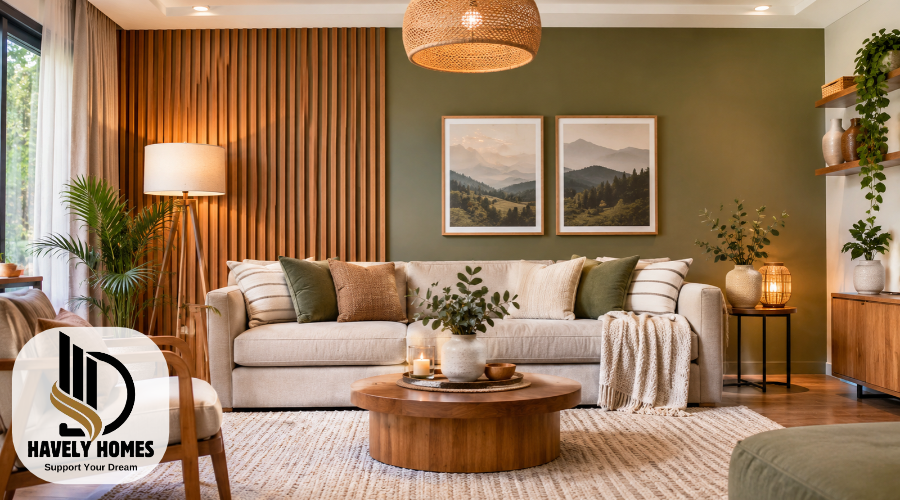
A living room is where people relax, spend time with family, and welcome guests. Its appearance can influence how comfortable and inviting the entire home feels. One way to give this space more personality is by creating a living room accent wall that draws attention without requiring a complete makeover.
An accent wall can introduce colour, texture, or an interesting decorative feature. A simple painted wall might create a calm atmosphere, while wallpaper, wooden panels, or stone-effect finishes can make the room feel more distinctive.
However, a successful design involves more than choosing an attractive colour. Room size, furniture placement, natural light, personal taste, and budget all influence the final result.
This guide explores practical living room accent wall ideas, helping you choose the right wall, compare suitable materials, coordinate colours, and avoid common decorating mistakes.
Quick Answer:
A living room accent wall is one wall decorated differently to create a focal point. Before choosing paint, wallpaper, or panels, consider your room’s layout, furniture, natural light, and existing wall condition.
Quick-Guide Table
| Possible problem | What to check | Recommended action |
| Accent wall looks out of place | Room layout and furniture arrangement | Choose a wall that supports the room’s natural focal point. |
| Paint colour looks too dark | Natural light and surrounding colours | Test lighter or softer shades before painting. |
| Wallpaper begins peeling | Wall condition and adhesive suitability | Resolve moisture problems and follow the wallpaper manufacturer’s instructions. |
| Decorative panels look uneven | Wall surface and panel alignment | Check the surface and use the recommended fixing method. |
| TV wall creates distracting glare | Screen position, windows, and lighting | Adjust lighting or screen placement to reduce reflections. |
| Damp patches appear | Moisture, leaks, and ventilation | Identify and address the cause before decorating. |
Helpful Steps to Plan a Living Room Accent Wall
- Choose the right wall: Look for a natural focal point, such as the wall behind your sofa or television.
- Measure the space: Record the wall’s height and width, including windows, doors, and other obstacles.
- Select your design: Consider paint, wallpaper, decorative moulding, or wood panels according to your preferred style.
- Check existing colours: Compare your chosen finish with furniture, flooring, curtains, and lighting.
- Inspect the surface: Look for cracks, peeling paint, dampness, or other problems that need attention.
- Plan the installation: Follow product instructions and arrange professional help for electrical work, heavy fittings, or complex installations.
What Is a Living Room Accent Wall, and Why Should You Have One?
A living room accent wall is a wall that looks different from the surrounding walls through colour, texture, material, or decoration. It is sometimes called a feature wall because its main purpose is to highlight a particular area of the room.
For example, a living room with light beige walls might have one wall painted deep green. Alternatively, a wall behind the sofa could feature decorative moulding or textured wallpaper.
The main advantage is that you can introduce visual interest without changing every surface. A carefully chosen feature wall can highlight a fireplace, provide a background for artwork, or connect colours already found in your furniture.
It can also help define the seating area in an open-plan living room.
However, an accent wall is not necessary in every home. Rooms with beautiful architectural features, several large windows, or existing decorative finishes may already have enough visual interest.
Sometimes, using the same colour throughout the room creates a more balanced appearance. The best decision depends on what you want the space to feel like, rather than following a particular decorating trend.
How to Choose the Right Wall for Your Living Room
Choosing the right wall is one of the most important decisions. A beautiful finish may look out of place if it highlights an awkward or unsuitable area.
Start by standing at the main entrance and noticing where your eyes naturally travel. The most visible wall is often a good option, particularly if it already contains an important feature.
Behind the sofa: This is a popular location because the sofa usually anchors the main seating area. A painted feature wall, wallpaper design, or decorative panelling can create an attractive background without interrupting everyday activities.
Behind the television: A feature wall can help organise the entertainment area. Simple colours, restrained textures, and well-planned storage often work better than complicated patterns.
Around the fireplace: A fireplace already creates a natural focal point. Carefully selected stone, tile, or suitable painted finishes can draw attention to its shape.
Fireplace surrounds require additional care. Materials and clearances must meet the specific fireplace manufacturer’s instructions. Combustible finishes, including wood and some wall coverings, may not be suitable near heat-producing areas.
Also consider windows, doors, alcoves, and built-in shelving. A wall divided by several openings may not provide enough uninterrupted space for a large design.
Rather than automatically choosing the longest wall, select the one that best supports your furniture arrangement and the room’s existing features.
Living Room Accent Wall Ideas for Different Interior Styles
The most effective accent wall usually reflects the decorating style already present in the home. There are several approaches worth considering.
Modern living room accent wall: Modern designs often use clean lines, coordinated colours, and simple materials. A muted charcoal wall, smooth decorative panels, or vertical wooden slats can work well with contemporary furniture.
Minimalist feature wall: Minimalist interiors benefit from restraint. Soft neutral paint, a subtle texture, or a small amount of architectural trim can add interest without creating unnecessary visual clutter.
Traditional accent wall: Picture-frame moulding, classic wallpaper patterns, and painted wall panelling can complement traditional sofas, wooden furniture, and decorative lighting.
Rustic and nature-inspired designs: Warm timber, earthy paint colours, and natural-looking stone finishes can make a living room feel relaxed and welcoming. These materials often pair well with linen upholstery, woven rugs, and comfortable furniture.
Contemporary mixed-material designs: Combining a painted surface with a limited area of wood or decorative panelling can produce a distinctive result. The materials should share a consistent colour palette.
Before selecting a design, look at the existing flooring, furniture shapes, and architectural details. A feature wall should feel connected to the rest of the living room rather than appearing as a separate decorating project.
Paint Colours That Make a Living Room Accent Wall Stand Out
Paint is one of the most accessible ways to create a feature wall. It provides a wide choice of colours and can often be updated without major construction work.
Neutral shades such as warm beige, taupe, greige, and soft grey suit many living rooms. They provide gentle contrast and allow furniture, artwork, and decorative accessories to remain noticeable.
For a stronger statement, consider navy blue, forest green, charcoal, terracotta, or muted olive. These colours can create a cosy atmosphere, especially when balanced with lighter surrounding walls and furniture.
Lighter colours generally reflect more light, while deeper shades absorb more. However, dark colours do not automatically make a room feel too small. Their appearance depends on natural light, room proportions, and surrounding finishes.
Tonal painting is another useful approach. Instead of introducing a completely different colour, choose a deeper or lighter version of the existing wall shade.
You might also consider colour drenching, where walls, trim, and sometimes ceilings are painted in closely related shades. Unlike a traditional accent wall, this creates a more continuous colour scheme throughout the room.
Always test paint samples before making a final choice. Observe them in morning daylight, afternoon light, and under the lamps you normally use in the evening. A colour that looks warm in a shop may appear noticeably different at home.
Living Room Accent Wallpaper, Murals, and Textured Finishes
Wallpaper offers more decorative variety than paint alone. It can introduce patterns, artwork, and the appearance of different materials without requiring extensive building work.
Botanical wallpaper brings leaf and floral designs into the room, while geometric patterns complement many modern interiors. Scenic murals can turn an uninterrupted wall into a decorative backdrop.
Textured wallpaper is useful when you want visual depth without a strong pattern. Linen-look, woven-effect, and grasscloth-style designs can complement understated furniture and natural materials.
The type of wallpaper also matters.
Traditional paste-the-paper wallpaper requires adhesive to be applied to the paper, following its specific instructions. Paste-the-wall wallpaper uses a different application method, with adhesive generally applied directly to the prepared surface.
Peel-and-stick wallpaper has a self-adhesive backing and may suit some temporary decorating projects. However, it is not suitable for every wall finish, and removal can sometimes damage paint. Always check surface compatibility and test a small area first.
For smaller living rooms, subtle patterns or carefully scaled murals can work particularly well. Large designs are also possible, but the arrangement should not compete with nearby furniture.
Before installation, make sure the surface is sound, clean, dry, and suitably prepared. Check pattern alignment, roll coverage, cleaning requirements, and the manufacturer’s instructions. These details influence both the appearance and long-term condition of the wallpaper.
Living Room Accent Wall Panels and Wood Slat Designs
Decorative wall panels add physical depth rather than relying entirely on colour. They are available in different styles, materials, sizes, and finishes.
Vertical wood slats are often used in contemporary interiors. Their repeated lines can draw attention upwards, making them particularly attractive on taller or uninterrupted walls.
Horizontal panels create a different visual direction and may suit wider living rooms. Painted MDF moulding can also create a traditional or transitional appearance without requiring an entire wall of solid wood.
Natural timber provides genuine wood grain and variations in colour. Wood-effect panels can offer a similar appearance, although their durability, surface quality, and maintenance requirements depend on the product.
Fluted and three-dimensional panels are another option for adding texture. They can look effective when natural daylight or carefully positioned lighting creates soft shadows across the surface.
When choosing living room accent wall panels, consider their proportions. Very narrow details may appear busy across a large wall, while oversized panels can overwhelm a compact space.
Installation is equally important. Different products require different fixing systems, and some need secure mechanical attachments rather than adhesive alone.
Check wall condition, weight, manufacturer instructions, and any hidden electrical or plumbing services before installation. Heavy panels, complicated layouts, and projects involving electrical outlets are generally better handled by appropriately qualified professionals.
Living Room Accent Wall with TV: Stylish and Practical Ideas
A living room accent wall with TV should look attractive while keeping the television comfortable to watch.
A painted wall in navy, charcoal, or another muted shade can create a simple background for the screen. Wood panels are another option, particularly when combined with a matching media cabinet.
Floating cabinets, closed storage, and a few carefully positioned shelves can help keep the entertainment area organised.
When planning feature wall ideas for a living room with TV, consider the television’s position, viewing distance, seating height, and reflections from windows. Decorative lighting should not create distracting glare.
Wall-mounted televisions also require secure support. The wall structure, bracket, fixings, and television must be compatible. Follow the manufacturers’ mounting and ventilation instructions rather than relying on appearance alone.
Avoid trapping power cords behind panels or running ordinary power leads inside walls. Electrical alterations and concealed wiring should be handled by a qualified electrician.
For larger televisions or uncertain wall structures, professional installation is the safer choice.
Small Living Room Accent Wall Ideas That Feel Balanced
A small living room accent wall can add personality without making the space feel overcrowded.
The key is choosing a design that works with the room’s proportions. Gentle colour contrasts, subtle wallpaper patterns, and simple painted features are useful options.
For example, a narrow living room with light walls might benefit from a muted green feature wall behind the sofa. The colour creates a focal point while allowing the other walls to remain visually quiet.
Vertical slat details may emphasise the height of a wall, while a restrained horizontal design can complement a wider space.
Natural light also matters. A dark wall in a bright room may look inviting, while the same shade in a poorly lit corner could feel heavier.
In apartments and open-plan homes, feature walls can help distinguish the seating area from nearby dining or working spaces.
Avoid combining too many patterns, oversized decorative pieces, or competing wall treatments. A simple, coordinated design is often more effective than a complicated arrangement.
Matching Your Accent Wall with Furniture, Flooring, and Lighting
An accent wall should work with the furniture and finishes already present in the living room.
Begin with larger items such as the sofa, flooring, curtains, and rug. These usually influence the room’s colour scheme more than smaller accessories.
Warm wooden floors often complement beige, olive, terracotta, and other earthy tones. Cooler grey finishes may work well with blue, charcoal, and certain neutral shades.
However, colour combinations depend on undertones. Two colours that appear similar in photographs can look very different when placed together.
Neutral sofas can provide balance when the accent wall has a strong colour or detailed pattern. Alternatively, a subtle wall finish allows colourful furniture to remain the main attraction.
Lighting changes the appearance of every finish. Daylight reveals different colour qualities throughout the day, while warm lamps can make some tones appear richer.
Aim for a consistent palette without matching everything exactly. Small differences in texture and shade can make the room feel more natural and comfortable.
Accent Wall Decor for a Living Room: Finishing Touches That Work
Thoughtful decoration can make a feature wall feel complete without distracting from its main design.
Framed artwork is particularly effective on plain painted walls. A single large picture can create a clear focal point, while a carefully arranged gallery wall offers a more personal appearance.
Decorative mirrors can reflect light and add visual interest. Position them where their reflections contribute positively to the room rather than producing unwanted glare.
Floating shelves provide space for books, plants, and smaller decorative objects. Wall sconces or picture lights can highlight artwork and suitable textured surfaces.
When arranging accent wall decor for a living room, consider the size and position of nearby furniture. Decorations above a sofa should relate visually to its width rather than appearing disconnected.
Highly patterned wallpaper and detailed panels may need little additional decoration.
Always use appropriate wall fixings for shelves, mirrors, and heavier objects. Plasterboard, masonry, and timber-supported walls have different fixing requirements.
Planning Your Accent Wall: Budget, Materials, and DIY Safety
Good planning helps prevent wasted materials, unnecessary spending, and installation problems.
Start by measuring the wall’s width and height. Note windows, doors, sockets, switches, and other features that may affect the design.
The overall budget depends on the chosen finish, wall size, surface condition, materials, labour, and installation requirements.
Paint is often a comparatively affordable option, especially when the existing wall is in good condition. Wallpaper costs depend on material, pattern repeat, and the number of rolls required.
Wood panels and elaborate architectural treatments may involve greater material costs, specialised tools, and professional labour.
For a smaller budget, consider a painted feature wall, a simple decorative arrangement, or a suitable removable wallpaper. Renters should check their tenancy conditions before making changes.
Before beginning any project, inspect the surface for cracks, peeling paint, moisture, and mould. The underlying cause of dampness must be resolved before covering the wall.
For DIY work, follow product instructions, wear suitable protective equipment, and use ladders safely. Before drilling, check for concealed cables and pipes. A detector can help identify hazards, but it does not guarantee that every hidden service will be found.
If the project involves electrical alterations, major structural changes, or persistent water damage, consult a qualified professional.
Common Accent Wall Mistakes and How to Maintain Your Design
One common mistake is choosing an accent wall simply because it is empty. A feature wall should contribute to the room’s overall arrangement.
Another problem is combining too many bold elements. Strong colours, detailed patterns, decorative panels, and numerous accessories can compete for attention.
Colour selection can also cause disappointment when homeowners overlook natural lighting and existing furniture undertones.
Poor surface preparation may lead to peeling paint, lifting wallpaper, or uneven decorative panels. Unsuitable adhesives and incorrect fixing methods can create additional problems.
Never cover a damp or mouldy wall to hide visible damage. Address the moisture problem and arrange appropriate treatment before redecorating.
Maintenance depends on the finish. Painted walls may need gentle cleaning or occasional touch-ups, while wallpaper and wood panels should be maintained according to their manufacturers’ instructions.
Avoid excessive moisture or abrasive cleaning products unless the surface is designed to tolerate them.
If you notice recurring dampness, loose heavy fittings, significant surface damage, or damaged electrical components, seek professional assistance rather than attempting an unsafe repair.
Conclusion
A well-designed living room accent wall can add colour, texture, and personality while making the space feel more considered and inviting.
The most important decisions involve choosing the right wall, understanding the room’s proportions, and selecting materials that complement existing furniture and lighting.
Whether you prefer simple paint, decorative wallpaper, or wood panels, each option can create an attractive result when planned carefully.
Focus on practical details, suitable materials, safe installation, and easy maintenance rather than following every new decorating trend.
Ultimately, the best feature wall is one that feels natural in your living room, reflects your personal style, and makes the space more enjoyable to use.
Frequently Asked Questions
Are Living Room Accent Walls Still In Style?
Yes. Accent walls remain a useful decorating option when they complement the room’s layout and colour scheme. A thoughtful design can add personality without depending on temporary decorating trends.
Does An Accent Wall Have To Be Darker Than The Other Walls?
No. An accent wall can be lighter, darker, textured, or patterned. Subtle colour differences suit calm interiors, while stronger contrasts create a more noticeable focal point.
Can You Have Two Accent Walls In One Living Room?
Yes, but two competing feature walls can make a living room feel busy. If you decorate multiple walls differently, use related colours and materials to maintain visual balance.
Is Peel-and-stick Wallpaper Suitable For Rented Homes?
It can be suitable, but removal depends on the wallpaper product and existing paint finish. Check your tenancy agreement, follow manufacturer instructions, and test a small hidden area first.
Do Wood Slat Accent Wall Panels Reduce Noise?
Some specialised acoustic panels can reduce sound reflections, depending on their construction and installation. Ordinary decorative wood slats do not necessarily provide meaningful acoustic improvement or soundproofing.
Disclaimer: This article is provided by Havely Homes for general informational purposes only. Always follow product manufacturers’ instructions and seek professional assistance for complicated installations. Thermostat models and troubleshooting methods can vary, so consult the relevant model manual or official support guidance. Electrical wiring, gas, furnace, and complex HVAC work should be handled by qualified professionals. Havely Homes is not affiliated with Honeywell or an official Honeywell support service. Our website was created solely to provide helpful information to visitors and does not engage in paid promotions or advertising.
