
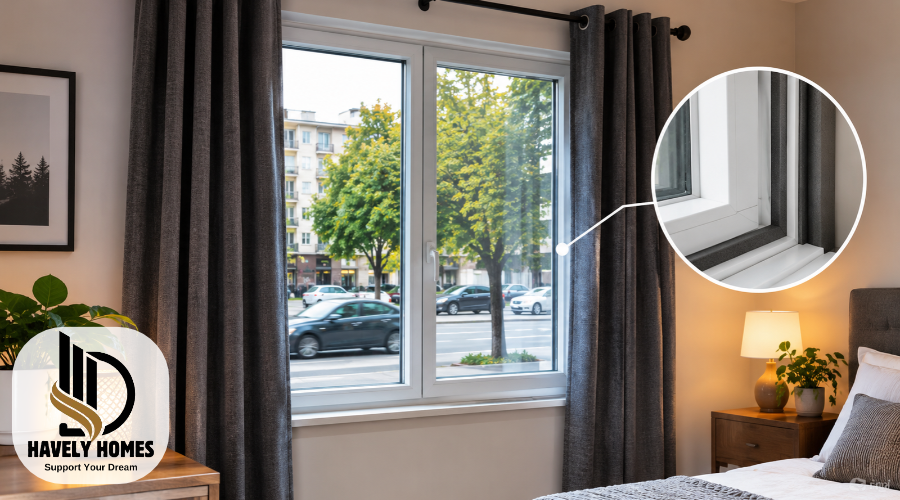
A peaceful home can quickly become uncomfortable when traffic, construction work, barking dogs, or noisy neighbours interrupt your daily routine. Outside noise can make it difficult to relax, concentrate, or enjoy a good night’s sleep, especially when your windows provide little protection against unwanted sounds.
Window soundproofing is a practical way to reduce the noise entering your home. You do not always need to replace your existing windows or spend a large amount of money. Simple improvements, such as sealing gaps and repairing worn weatherstripping, may help. More advanced options include soundproof window inserts, secondary glazing, and specially designed acoustic glass.
However, not every method works equally well. The results depend on your window’s condition, the type of noise, and how the solution is installed.
Understanding these differences will help you choose a suitable approach that makes your home quieter without compromising comfort, ventilation, or safety.
Quick Answer:
Window soundproofing helps reduce outdoor noise entering your home. Start by checking for worn seals, frame gaps, and poorly closing windows. Simple repairs may help, while persistent noise may require inserts or acoustic glazing.
Quick-Guide Table
| Possible Problem | What to Check | Recommended Action |
| Traffic noise entering through windows | Glass type and existing window condition | Consider acoustic glazing or soundproof window inserts |
| Whistling sounds around frames | Worn seals and visible gaps | Replace suitable weatherstripping |
| Noise around fixed window edges | Cracked or missing sealant | Apply compatible sealant to appropriate stationary gaps |
| Loud outdoor conversations | Window fit and glazing performance | Consider properly fitted secondary glazing |
| Excessive room echo | Hard floors, bare walls, and uncovered windows | Add suitable curtains or sound-absorbing furnishings |
| Noise despite closed windows | Ventilation openings and nearby building gaps | Identify the sound path without blocking required ventilation |
| Condensation after adding inserts | Moisture trapped between glazing layers | Check installation guidance and seek professional advice |
Helpful Steps to Reduce Window Noise
- Identify the noise source: Determine whether traffic, neighbours, construction, or another outdoor activity causes the disturbance.
- Inspect your windows: Look for visible gaps, worn seals, loose fittings, and damaged frames.
- Check window closure: Make sure accessible windows close and lock properly without forcing their mechanisms.
- Improve suitable seals: Replace damaged weatherstripping and seal appropriate stationary gaps using compatible products.
- Consider additional glazing: Explore removable window inserts or secondary glazing if basic repairs are insufficient.
- Compare professional options: Review tested acoustic performance, installation requirements, and costs before considering replacement windows.
What Is Window Soundproofing and How Does It Work?
Window soundproofing involves improving a window’s ability to prevent unwanted sound from passing between the outdoors and indoors. The aim is usually to reduce noise to a more comfortable level rather than eliminate every sound completely.
Sound travels as vibrations through air and building materials. When outdoor sound reaches a window, some of that energy passes through the glass, frame, and surrounding openings.
Several factors influence how effectively a window reduces sound.
Airtight seals help prevent noise from travelling directly through gaps around the frame or moving sections. Even good acoustic glass can perform poorly when the surrounding seals are damaged.
Glass thickness and construction also matter. Heavier glass and specially designed laminated glass can reduce sound transmission, although their effectiveness varies across different sound frequencies.
Separation between glass layers creates another barrier to sound. Secondary glazing, for example, adds an independent pane with an air space between it and the original window.
Sound-absorbing materials have a different purpose. They mainly reduce reflections and echoes inside a room rather than preventing outside noise from entering.
Low-frequency sounds, such as heavy traffic rumbling, are often more challenging to control than higher-frequency noises, including some voices and whistles. This is why an effective solution depends on the type of disturbance.
Why Does Outside Noise Come Through Your Windows?
Windows are often more vulnerable to outdoor noise than well-insulated walls. Glass, frames, seals, and installation gaps all influence how much sound enters a room.
Common outdoor noise sources include busy roads, passing aircraft, trains, construction machinery, neighbours talking, and barking dogs. Different noises travel through building materials in different ways.
Older windows may have worn seals, loose fittings, or poorly closing sashes. These problems can allow sound to pass through openings that should otherwise remain closed.
Single-glazed windows may also provide less sound insulation than carefully designed multi-layer acoustic systems. However, replacing single glazing with ordinary double glazing does not automatically guarantee excellent noise reduction.
Before choosing a solution, inspect your existing windows.
Look for cracked or missing sealant around the frame, damaged weatherstripping, loose hardware, and gaps that remain when the window is closed. On a windy day, noticeable draughts may reveal air leakage.
You can also listen from different parts of the room while the windows are securely closed. If the noise seems equally strong near a ventilation opening, external door, or adjoining wall, the window may not be the only problem.
Avoid touching cracked glass, leaning outside, or removing window components during an inspection. Damaged glazing and unstable frames should be assessed by a qualified professional.
Affordable DIY Window Soundproofing Methods
Some of the most affordable noise-reduction improvements involve fixing problems that allow air and sound to leak around existing windows.
Weatherstripping is often a sensible starting point. It helps seal the moving sections of a window while allowing them to open and close normally. Worn, flattened, or missing seals can be replaced with suitable materials recommended for the particular window design.
Caulking is another useful option for stationary gaps. An appropriate sealant can close small openings around fixed joints between window frames and surrounding interior finishes. The product must be compatible with the surfaces and intended application.
Never seal drainage openings, required ventilation points, or moving window joints.
Loose handles, defective catches, and misaligned sashes can also prevent a window from closing correctly. Simple maintenance may help, but damaged locking mechanisms or major alignment problems deserve professional attention.
For a basic DIY improvement, begin by inspecting accessible gaps, cleaning the relevant surfaces, and following the sealant or weatherstripping manufacturer’s installation instructions.
These repairs may reduce draughts and noise entering through openings. However, they will not prevent every sound passing through the glass itself.
If your windows are already well sealed, adding more caulk is unlikely to provide a major improvement. In that situation, an additional glazing layer or a different acoustic solution may be more worthwhile.
Soundproof Curtains, Foam, and Acoustic Panels
Soundproof curtains, acoustic foam, and window panels are often advertised as easy ways to create a quieter room. However, these products work differently, and understanding their limitations is important.
Thick, heavy curtains can absorb some reflected sound inside a room. They may also slightly reduce certain noises entering through windows, but ordinary curtains cannot provide the same sound insulation as properly sealed acoustic glazing.
Curtains that extend beyond the window frame and reach close to the floor may offer better coverage. Their effectiveness still depends on the fabric, construction, and installation.
Window soundproofing foam requires careful consideration because the term describes different products. Foam weatherstripping is useful for sealing suitable gaps, while decorative acoustic foam mainly reduces echoes within a room.
Acoustic foam attached to glass should not be expected to block substantial traffic or construction noise.
Window soundproofing panels may offer greater protection when specifically designed as dense, well-sealed sound barriers. Some removable panels cover the entire window opening, limiting daylight and visibility.
Before choosing these products, consider their actual acoustic performance, appearance, cleaning requirements, and whether they interfere with opening the window.
Do Window Soundproofing Film and Kits Really Work?
Window soundproofing film is often promoted as an affordable alternative to replacing glass. However, ordinary window film is generally designed for other purposes.
Common window films help control sunlight, glare, ultraviolet exposure, or heat transfer. Some insulating films also create a temporary air barrier when installed as part of a suitable window insulation system.
A thin film applied directly to glass should not be assumed to provide meaningful soundproofing. Any acoustic benefit needs reliable product-specific testing.
A window soundproofing kit may contain sealing strips, adhesive materials, transparent panels, or other components, depending on its design.
Some kits primarily address air leakage, while others provide an additional physical barrier.
Before purchasing, check the product’s compatibility with your window size, frame material, opening mechanism, and glazing.
Film manufacturers may also place restrictions on certain glass types because inappropriate products can increase thermal stress.
Avoid trusting products that advertise dramatic noise-reduction percentages without explaining the testing conditions. Independent acoustic measurements are more useful than broad marketing claims.
Soundproof Window Inserts and Secondary Glazing
Soundproof window inserts are an option for homeowners who want to reduce noise without removing their existing windows.
These systems add another transparent layer inside the original window opening. Depending on the design, the additional layer may use acrylic, glass, or another suitable glazing material.
The space between the original window and the insert helps reduce sound transmission. Effective perimeter seals are equally important because gaps can weaken the system’s performance.
Secondary glazing follows a similar principle but often involves a separate internal frame fitted professionally.
Unlike a complete window replacement, secondary glazing allows many existing windows to remain in place. This can be particularly useful in older properties where preserving original features is important.
Some removable inserts may suit rented homes, provided the landlord permits their installation.
However, not every insert performs equally well. Noise reduction depends on the panel material, thickness, air-space depth, fitting quality, and existing window construction.
Condensation also requires attention. Moist indoor air entering the space between glazing layers can collect on colder surfaces. The correct arrangement of seals and ventilation should follow the system designer’s guidance.
The additional glazing must also allow safe cleaning, necessary ventilation, and emergency escape where required.
For persistent traffic or neighbourhood noise, a properly designed secondary glazing system may be more effective than several small decorative improvements.
Acoustic Glass, Double Glazing, and Soundproof Replacement Windows
When existing windows are damaged, inefficient, or unable to provide adequate noise reduction, upgrading the glazing may be worth considering.
Single glazing contains one glass pane. Double glazing uses two panes separated by a sealed space, while triple glazing adds a third pane.
Although double and triple glazing can improve thermal insulation, their ability to reduce noise depends on their complete construction.
Acoustic laminated glass contains layers of glass bonded with an interlayer designed to help control sound transmission.
Using panes of different thicknesses can also improve performance across a wider range of frequencies.
Importantly, triple glazing is not automatically better for soundproofing than a carefully designed double-glazed acoustic unit.
Homeowners comparing replacement windows may encounter two acoustic ratings.
Sound Transmission Class (STC) measures how effectively a tested assembly reduces airborne sound across a specified frequency range.
Outdoor-Indoor Transmission Class (OITC) is particularly useful when considering transportation noise, including road and aircraft sounds.
Higher ratings generally indicate stronger sound insulation under the relevant test conditions. However, ratings from different methods should not be compared as though they measure exactly the same thing.
Ask suppliers for tested performance information covering the complete window assembly, not simply the glass.
Replacement may be appropriate when windows have serious structural deterioration, repeated operating problems, or other defects that cannot reasonably be repaired.
Exterior Window Soundproofing Options
Exterior window soundproofing involves improvements made outside the existing window rather than inside the room.
One established option is an exterior storm window. It adds another glazed layer outside the primary window, potentially improving air sealing, insulation, and noise control.
The acoustic benefit depends on its design, glazing, seals, and installation.
Some specially designed exterior shutters or barriers may also reduce certain sounds when closed. However, ordinary decorative shutters, outdoor blinds, and garden screens should not be considered dependable soundproofing solutions.
Plants and hedges can improve privacy and the appearance of a property, but ordinary residential planting generally offers limited protection against significant traffic noise.
Exterior installations must account for rainfall, drainage, strong winds, cleaning access, and the building’s appearance.
They should never obstruct required window openings or interfere with water drainage.
Work on upper-floor windows or installations requiring exterior access should be handled by competent professionals.
Homeowners should also check applicable building requirements and property restrictions before making substantial exterior changes.
Removable Window Plugs for Temporary Noise Reduction
A removable window plug is a panel designed to cover a window opening temporarily.
Unlike transparent inserts, these panels are generally opaque and may block natural light completely.
A suitable plug uses dense materials and a closely fitted perimeter to reduce sound passing through the opening. Its performance depends on the construction, weight, sealing, and existing window.
Some people consider removable panels for bedrooms, home recording spaces, or rooms exposed to occasional loud outdoor activities.
However, they have important disadvantages.
Heavy panels can be difficult to handle and store safely. Poorly designed plugs may damage window finishes, trap moisture, or prevent normal window operation.
Never install a plug that blocks a required emergency escape window or essential ventilation.
Avoid complicated homemade assemblies involving heavy boards, glass, or unfamiliar construction materials without appropriate professional guidance.
A purpose-designed removable system may be a safer choice when substantial temporary sound reduction is needed.
How to Choose the Best Window Soundproofing for Your Home
The best window soundproofing solution depends on the type of noise, existing window condition, available budget, and how you use the room.
For example, a window with worn seals may benefit from simple repairs. A bedroom facing a busy road may need more substantial glazing improvements.
Low-frequency traffic rumble is particularly difficult to control, while some higher-frequency sounds may respond better to improved sealing and suitable glazing.
For renters, removable inserts and approved temporary improvements can be more practical than permanent replacements.
Homeowners planning renovations may prefer professionally installed secondary glazing or acoustic replacement windows.
Here is a simple comparison of common options.
| Method | Relative cost | Main benefit | Main limitation |
| Weatherstripping and sealant | Low | Reduces noise through suitable gaps | Limited effect through glass |
| Heavy curtains | Low to moderate | Reduces room echo | Limited outdoor noise blocking |
| Window film | Low to moderate | Mainly controls light or heat | Acoustic benefits often unproven |
| Soundproof window inserts | Moderate to high | Adds another sound barrier | Requires accurate fitting |
| Secondary glazing | Moderate to high | Improves existing window insulation | Needs suitable space and installation |
| Acoustic replacement windows | High | Provides a complete glazing upgrade | Higher installation expense |
These are general comparisons rather than fixed performance or price guarantees.
Consider how frequently you need to open your windows. A solution that creates a quieter bedroom but prevents essential ventilation may not be practical.
For living rooms and home offices, preserving daylight and outdoor views may also be important.
Where possible, prioritise improvements that address an identified weakness instead of purchasing several products with uncertain benefits.
Window Soundproofing Cost: What Affects the Price?
Window soundproofing costs vary considerably depending on the chosen method, property location, window size, and installation requirements.
Basic sealing products are generally among the least expensive options. Weatherstripping and compatible sealants may be affordable for homeowners dealing with minor gaps.
Curtains and simple removable coverings usually involve a higher initial expense, depending on their materials and dimensions.
Custom soundproof window inserts and professionally installed secondary glazing cost more because they require carefully fitted components.
Complete acoustic window replacement is generally one of the most expensive choices, particularly when new frames, specialist glass, or structural repairs are necessary.
Professional labour, access difficulties, and the number of windows can substantially affect the final bill.
When comparing quotations, distinguish material prices from complete installed costs. A cheaper product may not represent better value if it fails to address the actual source of noise.
Similarly, a more expensive window does not guarantee a particular noise reduction inside every home.
For accurate budgeting, request itemised quotations based on your window measurements, existing conditions, and acoustic requirements.
Repairing sound existing windows or adding secondary glazing may provide better value than replacing every window unnecessarily.
Common Soundproofing Mistakes and When to Hire a Professional
One common mistake is assuming that thicker curtains or decorative foam will solve serious outdoor noise problems.
Although these materials can improve indoor acoustics, they cannot replace effective glazing and properly fitted seals.
Another mistake is overlooking small gaps around window frames. Even advanced acoustic glass may deliver disappointing results when sound passes through surrounding openings.
Homeowners sometimes focus entirely on the windows while ignoring noise entering through ventilation systems, external doors, roofs, or walls.
Adding unnecessary sealant can also create problems. Blocking drainage openings may trap water, while sealing ventilation points can affect indoor air quality.
Before installing secondary glazing or window panels, investigate existing condensation, mould, damaged timber, and water leaks. Covering these problems may allow deterioration to continue unnoticed.
Professional help is appropriate when windows have cracked glass, unstable frames, significant water damage, or complicated operating mechanisms.
Specialist installation is also advisable for large glazing units, exterior work at height, and major window replacements.
When speaking with an installer, ask about tested acoustic performance, suitable glazing configurations, installation details, maintenance requirements, and warranties.
Explain the noise you want to reduce rather than simply requesting the thickest available glass.
A reliable professional should discuss realistic improvements and identify any limitations involving ventilation, building regulations, or the surrounding construction.
Conclusion
Window soundproofing can make a noticeable difference to everyday comfort when the chosen improvement addresses the actual source of unwanted noise.
Small repairs, including suitable weatherstripping and sealing, may help windows affected by air gaps. Soundproof window inserts and secondary glazing provide more substantial options without always requiring complete replacement.
For serious noise problems, carefully specified acoustic glazing or professionally installed windows may be appropriate.
Before spending money, inspect your existing windows, identify the main noise sources, and consider how much improvement you realistically need.
The right solution should balance effective noise reduction, cost, natural light, ventilation, and safety. By addressing the weakest parts of your existing windows first, you can make informed improvements toward a quieter and more comfortable home.
Frequently Asked Questions
Can You Soundproof Windows Without Replacing Them?
Yes. Weatherstripping, appropriate sealants, removable window inserts, and secondary glazing can improve existing windows. The best option depends on their condition, the noise source, and the level of reduction required.
Do Soundproof Windows Block All Outside Noise?
No. Even high-performance acoustic windows cannot guarantee complete silence. They can reduce outdoor noise considerably, but results depend on glazing construction, installation quality, sound frequency, and other noise paths.
Is Window Soundproofing Suitable For Rented Homes?
Yes. Renters may consider removable inserts, curtains, and approved temporary sealing solutions. Check the rental agreement and obtain permission before making changes that could damage frames or affect window operation.
Does Triple Glazing Provide Better Soundproofing Than Double Glazing?
Not always. Sound insulation depends on glass thickness, pane spacing, acoustic interlayers, and installation quality. A specially designed double-glazed acoustic window may outperform an ordinary triple-glazed unit.
Can Soundproofing Windows Also Improve Home Insulation?
Some improvements, including sealing air gaps and installing suitable secondary glazing, can reduce unwanted heat transfer alongside noise. However, thermal performance varies, and not every acoustic product provides meaningful energy savings.
Disclaimer: This article is for general information only. Window types, installation methods, and safety requirements vary. Always follow manufacturer guidance and consult a qualified professional for complex repairs or glazing work. Thermostat models and troubleshooting steps also differ; consult the relevant model manual or official support. Electrical wiring, gas, furnace, and complex HVAC work should be handled by qualified professionals. Havely Homes is an independent informational website, not affiliated with Honeywell or its official support services. Our website provides information to visitors only and does not engage in paid promotions or advertising.
