
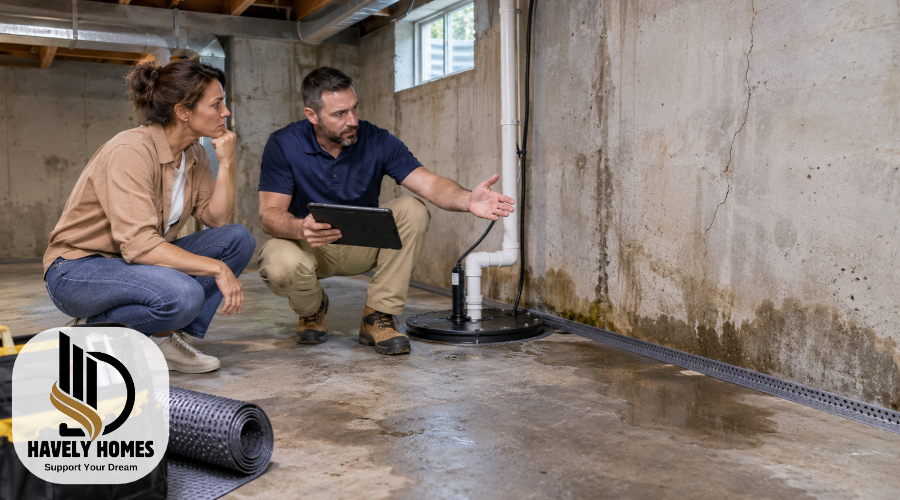
A wet basement can cause serious problems for homeowners. Water entering through foundation walls, floors, or cracks can damage belongings, encourage mold growth, and make the space uncomfortable. Waterproofing helps manage these problems and protects your home from further moisture damage.
However, basement waterproofing cost can vary significantly. Some homes need only minor drainage improvements or crack repairs, while others require expensive excavation and complete waterproofing systems.
The final price depends on your basement size, foundation condition, water problem, and chosen repair method.
Understanding these differences can help you avoid unnecessary work and plan a realistic budget. This guide explains typical 2026 waterproofing prices, interior and exterior options, cost calculations, additional expenses, and practical ways to save money.
Quick Answer:
Basement waterproofing typically costs $2,461–$8,207 in the US, although extensive projects can cost more. Before budgeting, check gutters, yard drainage, foundation cracks, and visible leaks to identify the likely moisture source.
Quick-Guide Table: Basement Water Problems and Solutions
| Possible problem | What to check | Recommended action |
| Water entering after rain | Gutters and downspouts | Clear accessible blockages and improve drainage |
| Damp foundation walls | Visible cracks or moisture stains | Arrange an inspection to identify the source |
| Water collecting on floor | Floor joints and drainage | Have a professional assess drainage or sump pump needs |
| Musty basement smell | Humidity and visible mold | Identify moisture sources and improve ventilation |
| Repeated groundwater seepage | Water entering around foundation | Request a professional waterproofing assessment |
| Damp finished basement | Wet flooring, walls, or insulation | Check for concealed damage and arrange appropriate repairs |
Steps to Estimate Basement Waterproofing Costs
- Identify the moisture problem: Observe damp walls, leaks, or standing water without entering unsafe areas.
- Check exterior drainage: Inspect accessible gutters, downspouts, and ground slope around your home.
- Measure your basement: Record approximate floor dimensions to help contractors prepare estimates.
- Compare waterproofing methods: Understand the differences between crack repairs, interior drainage, and exterior waterproofing.
- Use a cost calculator: Enter your location and relevant project measurements for a preliminary estimate.
- Get multiple quotations: Ask qualified local contractors for written estimates showing materials, labor, and additional expenses.
How Much Does Basement Waterproofing Cost in 2026?
In the United States, basement waterproofing commonly costs between $2,461 and $8,207, with a national average of approximately $5,247, according to 2026 project data from Angi.
However, larger waterproofing systems can cost considerably more. Other published estimates place complete interior waterproofing around $6,000–$12,000 and exterior waterproofing around $10,000–$18,000.
These figures differ because waterproofing projects do not all involve the same work.
| Project type | Estimated cost |
| Minor foundation crack repair | $250–$800+ per crack |
| Typical waterproofing project | $2,461–$8,207 |
| Complete interior waterproofing | $6,000–$12,000 |
| Complete exterior waterproofing | $10,000–$18,000 |
| Extensive exterior repairs | $20,000 or more |
These are general US estimates, not fixed prices. Complex foundation problems, extensive excavation, or additional repairs may increase the total.
For example, correcting a drainage problem near one basement wall may cost far less than excavating the entire foundation.
The most accurate budget starts with identifying the source of water rather than choosing a waterproofing method based only on its advertised price.
Basement Waterproofing Cost by Method
Different waterproofing methods solve different moisture problems. Some reduce surface dampness, while others collect groundwater or create a barrier outside the foundation.
The following table compares common methods and their approximate costs.
| Waterproofing method | Estimated cost | Typical use and limitation |
| Waterproof paint or sealer | $2–$10 per sq. ft. | Reduces minor surface dampness; cannot stop serious water pressure |
| Foundation crack injection | $250–$800+ per crack | Repairs suitable isolated cracks; does not correct structural movement |
| Sump pump installation | $600–$2,500+ | Removes collected water; requires electricity and maintenance |
| Interior French drain | $4,000–$17,000 | Collects seepage beneath the floor; does not seal exterior walls |
| Exterior perimeter drain | $30–$90 per linear ft. | Carries groundwater away; excavation may add costs |
| Exterior waterproof membrane | $4–$7 per sq. ft. | Protects foundation surfaces; excavation may be charged separately |
The appropriate treatment depends on how water enters the basement.
For example, crack injection may stop an isolated leak in a stable concrete wall. However, widespread seepage caused by groundwater pressure may require drainage improvements or a larger waterproofing system.
Several methods are sometimes installed together. A complete project might include a drainage channel, sump pump, and exterior grading improvements.
Always check which services are included in a contractor’s estimate to avoid counting the same work twice.
Cost of Waterproofing a Basement from Inside
Interior waterproofing focuses on controlling moisture and managing water within the basement. It generally requires less excavation than exterior waterproofing.
A complete interior system commonly costs approximately $6,000–$12,000, although individual repairs can be considerably cheaper.
One popular approach involves installing an interior French drain along the basement perimeter. Contractors create a drainage channel beneath the floor and direct collected water toward a sump basin.
A sump pump then moves the water to an appropriate discharge location away from the home.
Other interior methods include sealing suitable concrete cracks, installing moisture barriers, and applying coatings where surface dampness is the main concern.
Installation costs increase when contractors must remove finished flooring, cut concrete, or work around existing walls and utilities.
Interior waterproofing can provide effective water management without disturbing the entire yard. However, drainage systems generally collect water after it reaches the foundation rather than preventing every instance of exterior seepage.
Homeowners must also maintain pumps and drainage components to keep the system working properly.
Cost to Waterproof a Basement from Outside
The cost to waterproof a basement from outside is usually higher because the work often requires excavation around the foundation.
Complete exterior waterproofing commonly costs $10,000–$18,000, with complicated projects sometimes exceeding $20,000.
Contractors may excavate beside foundation walls, repair accessible defects, apply waterproof membranes, and install drainage systems near the foundation footing.
These measures help reduce water reaching the structure and provide protection against moisture intrusion.
However, exterior waterproofing is not necessary for every damp basement.
The total expense depends on foundation depth, excavation conditions, soil type, and access around the property.
Landscaping, patios, decks, and underground utilities may also complicate the work.
Compared with interior drainage, exterior waterproofing can address water before it passes through foundation walls. Its disadvantages include greater disruption, higher initial costs, and potentially extensive landscape restoration.
A qualified contractor should evaluate the moisture source before recommending full exterior excavation.
Basement Waterproofing Cost per Square Foot and by Basement Size
Basement waterproofing cost per square foot is useful for preparing a budget, but it does not explain every project accurately.
General estimates often range from $3 to $10 per square foot of basement floor area. However, contractors may calculate drainage by linear foot and waterproof membranes by the actual wall surface being treated.
The following examples use a broad budgeting range of $3–$10 per square foot. They are not quotations for a particular waterproofing method.
| Basement size | Approximate budget |
| 500 sq. ft. | $1,500–$5,000 |
| 1,000 sq. ft. | $3,000–$10,000 |
| 1,500 sq. ft. | $4,500–$15,000 |
| 2,000 sq. ft. | $6,000–$20,000 |
Cost to Waterproof a 1,000 Sq Ft Basement
For a 1,000-square-foot basement, broad budgeting estimates suggest approximately $3,000–$10,000.
However, more extensive waterproofing can exceed this range. One 2026 cost analysis from This Old House estimates approximately $13,640 for a 1,000-square-foot project under its pricing assumptions.
The difference highlights why square footage alone cannot determine the final cost.
A 1,000-square-foot basement with deep foundation walls and difficult soil conditions may be more expensive to waterproof than a larger basement with a minor drainage problem.
Foundation perimeter, water severity, and the treatment area must also be considered.
How to Use a Basement Waterproofing Cost Calculator
A basement waterproofing cost calculator can help homeowners estimate expenses before contacting local contractors.
Online tools generally use project measurements, location, and selected work categories to produce approximate costs.
For a useful estimate, gather information about your basement’s dimensions, foundation wall height, accessibility, and the type of waterproofing being considered.
Homewyse offers a basement waterproofing cost calculator that allows users to enter a ZIP code and project size to estimate location-adjusted costs.
However, its calculations depend on the scope and surface area covered by the selected estimate. They should not automatically be applied to the entire basement floor.
For example, waterproofing 400 square feet of exposed foundation wall is different from treating a basement with 400 square feet of floor space.
Calculators also cannot fully assess structural problems, groundwater conditions, or hidden damage.
Use their results as an initial budgeting guide, then compare them with written estimates from qualified local professionals.
What Factors Affect the Total Waterproofing Cost?
Several important factors determine the final waterproofing price.
Basement size and foundation depth: Larger walls and longer drainage runs generally require additional labor and materials. Deep foundations also increase excavation requirements.
Foundation material and condition: Poured concrete, concrete block, brick, and stone foundations may require different repair approaches. Existing deterioration or structural movement can increase expenses.
Soil and groundwater: Poorly draining soil, persistent groundwater, and water pressure around foundation walls can make moisture control more complicated.
Property accessibility: Contractors may need additional equipment or labor when buildings, fences, patios, and landscaping restrict access.
Local labor and permit requirements: Installation prices differ between regions. Some excavation, drainage, or structural work may also require permits and inspections.
Finished basement conditions: Removing drywall, insulation, built-in furniture, or flooring to reach affected areas adds labor and restoration costs.
Understanding these factors helps homeowners recognize why two similar-sized houses may receive very different waterproofing estimates.
Common Causes of Basement Water Problems
Identifying the cause of basement moisture is essential before spending money on waterproofing.
One common problem is poor drainage around the house. When gutters overflow or downspouts release rainwater close to the foundation, the surrounding soil can become saturated.
Water may then seep through cracks, mortar joints, or gaps around pipes.
Groundwater pressure can also push moisture through foundation openings or the joint between basement walls and floors.
In some homes, the problem is not groundwater at all.
Leaking plumbing, excessive indoor humidity, and condensation on cold surfaces can produce similar signs.
Common warning signs include damp wall patches, peeling paint, white mineral deposits, musty odors, and standing water after heavy rain.
A damp basement does not automatically mean the entire foundation needs waterproofing.
Understanding when and where moisture appears helps distinguish a drainage problem from a plumbing leak or condensation issue.
Safe Checks to Make Before Paying for Waterproofing
Homeowners can perform several simple observations before arranging a professional inspection.
- Check visible gutters and downspouts: Look for blockages, damage, or water being discharged close to the foundation. Avoid unsafe ladder work.
- Observe drainage after rainfall: Notice whether water pools near basement walls or flows toward the house.
- Inspect accessible basement surfaces: Look for stains, cracks, peeling finishes, and moisture around wall-floor joints.
- Record when leaks happen: Water appearing only during storms may suggest a different problem from dampness that continues during dry weather.
- Look for plumbing problems: Check accessible pipes and fixtures for obvious leaks without dismantling equipment.
Safety is particularly important in flooded basements.
Never enter standing water if electrical wiring, outlets, appliances, or equipment could be energized. Do not operate switches or electrical tools while standing in water.
If electricity must be disconnected from an unsafe location, contact a qualified electrician.
Suspected structural movement, sewage contamination, significant flooding, or serious foundation cracks also require professional assessment.
What Is the Cheapest Way to Waterproof a Basement?
The cheapest effective solution depends on what is causing the moisture.
For some homes, inexpensive maintenance and drainage improvements are enough to reduce water entering the basement.
Cleaning accessible gutters, repairing damaged downspouts, and directing rainwater away from the house can help prevent soil saturation near foundation walls.
Correcting poor ground drainage may also solve certain rain-related moisture problems without extensive waterproofing work.
Where a small, stable foundation crack causes an isolated leak, professional sealing may cost less than installing a complete drainage system.
Waterproof coatings are another relatively inexpensive option, but they have important limitations.
Paint and surface sealers cannot reliably stop water forced through foundations under significant pressure.
A dehumidifier can improve indoor moisture conditions, but it cannot repair an active foundation leak.
Homeowners may reasonably handle simple maintenance and accessible drainage checks. However, foundation excavation, structural repairs, concrete cutting, and electrical connections should be left to qualified professionals.
The cheapest option is worthwhile only when it solves the actual problem.
Hidden Expenses and Common Waterproofing Mistakes
Waterproofing estimates sometimes exclude additional work needed before or after installation.
Exterior excavation may require removing plants, repairing disturbed landscaping, or restoring patios and walkways.
Inside finished basements, workers may need to remove damaged drywall, insulation, flooring, or built-in features.
Other possible expenses include mold remediation, foundation repairs, drainage modifications, permits, and electrical work.
For example, mold remediation may cost hundreds or several thousand dollars depending on the affected area and necessary cleanup.
Waterproofing systems also have ongoing maintenance needs.
Sump pumps require periodic inspection, and some homeowners choose backup systems because pumps can lose power during storms.
Common mistakes include applying waterproof paint over an active leak, overlooking poor yard drainage, and accepting an estimate without understanding the proposed work.
Another mistake is comparing contractors solely by their final prices when their quotations cover different services.
Homeowners should request clear cost breakdowns and allow a reasonable contingency for unexpected work, particularly when hidden damage may be present.
When to Hire a Professional and How to Compare Local Quotes
Professional help is recommended when basement leaks continue despite basic drainage improvements, water repeatedly enters during storms, or moisture affects large areas.
Significant foundation cracks, bulging walls, or suspected structural movement require particular attention. A qualified structural engineer may need to assess the foundation before repairs begin.
When searching for basement waterproofing near me, look for established local contractors with relevant experience.
Reviews and recommendations can help identify potential companies, but credentials and detailed estimates matter more than advertising claims.
Try to obtain at least three written quotations.
Each quotation should explain the suspected water source, recommended method, materials, installation work, total price, and expected schedule.
Ask whether excavation, debris removal, restoration, permits, and taxes are included.
Check licensing requirements where applicable, insurance coverage, references, and warranty conditions.
A warranty may cover particular materials or workmanship without protecting against every possible future leak.
Also ask about maintenance requirements, especially if the proposed system includes sump pumps or drainage channels.
The best contractor is not necessarily the cheapest. Choose a solution that addresses the diagnosed moisture problem and clearly explains the work involved.
Conclusion
Basement waterproofing cost depends on several factors, including basement size, foundation condition, groundwater problems, and the type of repair required.
Small moisture problems may be resolved through drainage improvements or targeted repairs. More serious water intrusion can require interior drainage systems, sump pumps, or exterior waterproofing.
Before committing to expensive work, inspect accessible drainage areas, identify visible moisture symptoms, and arrange a professional assessment when necessary.
Online estimates can help with budgeting, but detailed local quotations provide a clearer picture of actual costs.
Interior and exterior waterproofing serve different purposes, so neither should automatically be considered the best option for every home.
The smartest way to protect your basement and control expenses is to identify the source of water, choose a suitable repair, and prioritize lasting moisture control over the lowest initial price.
Frequently Asked Questions
How Much Does It Cost To Waterproof A 1,000-square-foot Basement?
A 1,000-square-foot basement may cost approximately $3,000–$10,000 to waterproof, depending on the method and conditions. Extensive drainage systems, excavation, or foundation repairs can increase the total beyond this range.
Is Interior Basement Waterproofing Cheaper Than Exterior Waterproofing?
Interior waterproofing is generally less expensive because it requires less excavation. Complete interior systems often cost $6,000–$12,000, while exterior projects commonly cost $10,000–$18,000 or more, depending on foundation conditions.
Does Homeowners Insurance Cover Basement Waterproofing?
Standard homeowners insurance generally does not cover routine waterproofing or gradual groundwater seepage. Coverage for sudden water damage depends on the policy and cause. Review your insurance documents before assuming repairs are covered.
How Long Does Professional Basement Waterproofing Take?
Small crack repairs may take less than a day, while complete drainage or exterior waterproofing projects can require several days or longer. Foundation size, excavation conditions, weather, and unexpected repairs affect the schedule.
Do Basement Waterproofing Systems Require Regular Maintenance?
Yes. Sump pumps, drainage channels, and exterior water-management features need periodic inspection and maintenance. Keeping gutters clear and checking pump operation helps identify problems before they cause additional basement water damage.
Disclaimer: The information provided by Havely Homes is for general educational purposes only. Waterproofing costs, methods, and repair requirements vary by property. Consult qualified professionals for structural, electrical, or complex repairs. Thermostat and HVAC models may have different requirements; always consult the relevant manual or official support. Gas, furnace, and wiring work should be handled by qualified professionals. Havely Homes is not affiliated with Honeywell or its official support services. This website provides informational content only and does not engage in paid promotions or advertising.
