
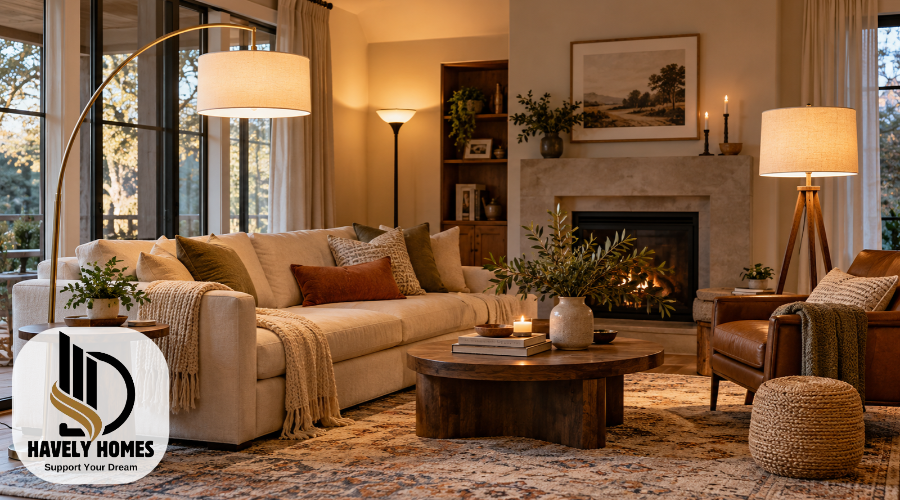
A floor lamp is a simple way to improve your home’s lighting while adding style and comfort. Whether you want to brighten a dark corner, create a relaxing bedroom atmosphere, or make reading more comfortable, the right lamp can make a noticeable difference.
Floor lamps come in many designs, including modern arc lamps, traditional shaded lamps, adjustable reading lights, and decorative tripod styles. Each offers different benefits depending on your room’s size, furniture, and lighting needs.
Choosing the right one involves more than finding an attractive design. Height, brightness, shade shape, and placement all affect how well it works. Understanding these details can help you select a lamp that looks beautiful and provides the lighting your home needs.
Quick Answer:
A floor lamp is a freestanding light that adds comfort and style to your home. Choose one based on room size, lighting purpose, brightness, shade direction, and base stability for practical everyday use.
Quick-Guide Troubleshooting Table
| Possible problem | What to check | Recommended action |
| Floor lamp not turning on | Power outlet, switch, and bulb | Check the power connection and replace a faulty bulb with a compatible one. |
| Light flickering | Bulb fitting and dimmer compatibility | Switch off and unplug the lamp before checking the cooled bulb. Seek professional help if flickering continues. |
| Light too dim | Bulb lumens and shade design | Choose a suitable brighter bulb within the lamp’s rated limits. |
| Excessive glare | Shade position and light direction | Adjust the lamp position or shade to keep direct light away from your eyes. |
| Lamp leaning or wobbling | Base assembly and floor surface | Unplug the lamp, check its assembly instructions, and place it on a level surface. |
| Damaged cord or burning smell | Visible cable damage or unusual odours | Stop using the lamp immediately and contact a qualified professional. |
Helpful Steps: How to Choose the Right Floor Lamp
- Identify your lighting needs: Decide whether the lamp is for reading, general room lighting, or decoration.
- Measure your available space: Check the lamp’s height, base width, and clearance around nearby furniture.
- Choose the right design: Consider arc lamps for seating areas, adjustable lamps for reading, and shaded lamps for softer lighting.
- Check brightness and light colour: Compare lumens and Kelvin ratings according to your room’s purpose.
- Consider stability and safety: Look for a sturdy base, suitable bulb requirements, and safe cable placement.
- Review product details: Check manufacturer instructions, materials, warranty information, and customer feedback before buying.
What Is a Floor Lamp and Why Is It Useful?
A floor lamp is a freestanding lighting fixture designed to stand directly on the floor. Unlike table lamps, it does not need a desk or side table for support. It also provides additional lighting without the ceiling installation required by most fixed overhead fixtures.
Floor lamps generally serve three lighting purposes. Ambient lighting creates comfortable overall illumination, while task lighting focuses light on activities such as reading. Accent lighting highlights furniture, decorative objects, or particular areas of a room.
One major advantage is flexibility. You can move many floor lamps between suitable locations when rearranging furniture or changing your room’s appearance. They are particularly useful in rented homes where installing permanent lighting may not be practical.
However, one lamp may not provide enough light for an entire room. Its effectiveness depends on brightness, shade design, room dimensions, and surrounding surfaces. Combining a floor lamp with ceiling lights or table lamps often creates a more balanced lighting arrangement.
Popular Types of Floor Lamps for Different Needs
Floor lamps come in several designs, each offering a different combination of lighting and decorative features. Understanding the main types makes choosing a suitable option easier.
Arc floor lamps have a curved arm that extends outward from the base. Their design allows light to reach over sofas, armchairs, and seating areas. They work particularly well where a ceiling fixture would be inconvenient, although their extended shape requires enough surrounding space.
Torchiere floor lamps direct light upward, usually toward the ceiling. This reflected light helps create indirect ambient illumination and can reduce the harshness of exposed bulbs. Their effectiveness depends partly on ceiling height, colour, and the lamp’s brightness.
Tripod floor lamps stand on three legs and often feature decorative shades. They can complement contemporary, Scandinavian, and traditional interiors. However, their wider bases may be less practical in narrow spaces.
Traditional shaded lamps use fabric, glass, or other suitable shade materials to control light distribution. Depending on the shade, they can provide gentle lighting for bedrooms and living rooms.
Adjustable task lamps have movable heads or arms that help direct light toward a book, chair, or work surface. They are useful where focused illumination matters.
LED and multi-head floor lamps offer additional options. LED designs can provide efficient lighting, while multi-head models illuminate different areas. Some also include adjustable brightness or independently controlled lights.
Choosing Floor Lamps for Living Room Spaces
The living room is one of the most popular places for a floor lamp because it serves several purposes throughout the day. The best choice depends on whether you need additional general lighting, comfortable reading light, or a decorative feature.
For a sofa area, consider placing a shaded lamp near one end of the seating arrangement. This can provide gentle lighting for relaxing or watching television without relying entirely on bright overhead lights.
An arc floor lamp is another option, particularly beside a sectional sofa or armchair. Its curved arm can position light above the seating area while keeping the base to one side. Make sure the arm and shade do not obstruct movement or create uncomfortable glare.
For darker corners, an upward-facing lamp can help spread light across nearby walls and ceilings. A slim design may be more suitable when floor space is limited.
Try coordinating the lamp with existing furniture rather than matching every finish exactly. For example, a black metal lamp can complement dark furniture details, while a brass finish may add warmth to a neutral living room.
Layering floor lamps with ceiling lighting and smaller table lamps can also make the space more comfortable for different activities.
Floor Lamps for Bedroom Comfort and Style
Bedrooms usually benefit from softer lighting that supports a calm and comfortable atmosphere. A floor lamp can provide this without making the room feel overly bright.
A shaded lamp beside a bedroom chair creates a pleasant place to read or relax. Placing one near a dresser or an unused corner can also improve the room’s appearance while adding practical light.
For bedtime reading, an adjustable lamp is often more useful than a purely decorative design because the light can be directed toward the book.
Warm white lighting, commonly around 2700–3000 Kelvin, creates a softer appearance than cooler white light. A compatible dimmable lamp lets you reduce brightness when preparing for sleep or relaxing in the evening.
Position the lamp where its bulb will not shine directly into your eyes while lying or sitting in bed. Keep the fixture away from bedding and curtains, and make sure electrical cords do not cross walking areas.
What Makes a Good Floor Lamp for Reading?
A good reading lamp provides enough light to see the page comfortably without causing distracting glare or strong shadows.
Adjustable floor lamps are particularly useful because you can change the direction and position of the light. A directional shade helps concentrate illumination on the reading area rather than spreading it unnecessarily around the room.
Arc lamps can also work well when their shade is positioned above a favourite reading chair. However, a large arc lamp may be unnecessary for a small reading corner.
The height of your chair matters when choosing a reading light. A lamp that appears suitable while standing may shine directly into your eyes once you sit down. Consider the position of the shade relative to your normal seated eye level.
Brightness controls can improve comfort because lighting needs vary with natural daylight and personal preference. An accessible switch is another useful feature, especially when the lamp sits behind or beside furniture.
LED Floor Lamps, Brightness, and Light Colour
LED floor lamps are popular because LED technology generally uses less electricity than traditional incandescent lighting for a similar amount of light.
Some floor lamps have built-in LED modules, while others use replaceable LED bulbs. Models with replaceable bulbs offer more flexibility when choosing brightness or light colour. With integrated LED designs, replacing a failed light source may be more complicated or impossible, depending on the product.
Understanding brightness and watts
Brightness is measured in lumens, while watts describe electrical power consumption. A bulb producing around 800 lumens provides a similar amount of light to a traditional 60-watt incandescent bulb, although its actual electricity consumption may be much lower when using LED technology.
For a floor lamp, the required brightness depends on the room, shade, and purpose. A decorative corner lamp may need less output than a lamp providing general room lighting.
Choosing the right light colour
Colour temperature is measured in Kelvin (K).
- 2700–3000 K: Warm white lighting suited to relaxing spaces.
- 3500–4000 K: Neutral to cooler white lighting, useful for activities requiring clearer illumination.
- 5000 K and above: Cooler, daylight-like lighting that may suit particular tasks but can feel too bright or clinical for some relaxing spaces.
Colour rendering also matters. A higher colour rendering index (CRI) generally helps furniture, fabrics, and other objects appear closer to their natural colours.
If you want adjustable brightness, confirm that the bulb and dimming system are compatible. Not every LED bulb works correctly with every dimmer, and some integrated lamps require their own controls.
How to Choose the Right Floor Lamp Height and Size
The height and size of a floor lamp affect both its appearance and how comfortably it lights a room.
For lamps placed beside seating, consider where the shade sits when someone is seated. With many traditional shaded designs, keeping the exposed light source out of direct view helps reduce glare. Adjustable reading lamps may need a different position to illuminate the page properly.
A tall lamp can complement a spacious living room, while a slimmer design may look more balanced beside compact furniture. However, total height alone does not determine whether a lamp will work well.
The shade’s width also matters. A larger shade can make a strong decorative statement, but it may overwhelm a small corner or sit too close to nearby furniture.
For an arc floor lamp, measure how far the arm extends from its base. Check the height and position of the shade, particularly above seating and nearby walkways.
Before purchasing, measure the available floor area, ceiling clearance, and distance from surrounding furniture. Remember to leave room for the base and electrical cable.
Modern, Vintage, and Unique Floor Lamp Styles
Floor lamps are available in styles that complement different interiors. Choosing a design that works with your existing furniture can make the lighting feel like a natural part of the room.
Modern floor lamps often feature clean lines, simple shapes, and finishes such as matte black, brushed metal, or polished chrome. They suit contemporary homes and rooms with minimal decoration.
Vintage floor lamps may include classic fabric shades, decorative metalwork, brass finishes, and retro-inspired shapes. Some designs suit traditional interiors, while mid-century styles can work beautifully alongside modern furniture. When buying an older electrical lamp, arrange appropriate safety checks before using it.
Industrial floor lamps often feature visible metal structures, darker finishes, and practical-looking adjustable arms. They can complement exposed brick, wood, and simple furniture.
Natural designs use materials such as wood, woven textures, and fabric shades to create a softer appearance.
For homeowners seeking unique floor lamps for living room decoration, sculptural designs offer something different. A curved metal frame, unusual shade, or carefully shaped base can become a decorative feature even when the light is switched off.
To create a balanced appearance, consider repeating one or two materials already present in the room. A wooden lamp may complement wooden furniture, while a warm metal finish can coordinate with cabinet handles or other decorative details.
Smart Floor Lamp Ideas for Small Rooms and Corners
A small room can benefit from a floor lamp when the design is selected carefully. The aim is to add useful light without taking away valuable walking or furniture space.
A narrow upright lamp can fit beside a sofa, reading chair, or bedroom dresser. Designs with compact bases are often easier to position than wide tripod lamps.
Unused corners are another practical location. An upward-facing lamp can spread indirect light across nearby walls and ceilings, helping a darker area feel more inviting.
However, not every corner is suitable. A large arc lamp may extend too far into the room, while a wide tripod base can interfere with nearby furniture.
Choose a lamp with an accessible switch and enough cable length to reach a suitable outlet without stretching the cord.
If space is especially limited, a lamp with an adjustable head may provide better lighting control without requiring a large decorative shade.
The most useful placement is one that improves lighting while keeping doors, drawers, and walking routes unobstructed.
What to Look for Before Buying a Floor Lamp
Before buying a floor lamp, consider how you plan to use it. A decorative lamp for a living room corner has different requirements from one intended for daily reading.
Start by identifying your main lighting purpose and available budget. Then compare designs based on their practical features rather than appearance alone.
Check the lamp’s overall height, base dimensions, shade size, and construction materials. A stable base is particularly important for taller lamps or models with extended arms.
Consider the switch position as well. A foot switch may be convenient in an open area, while a switch near the lamp head could be more accessible beside seating.
Check whether the lamp uses replaceable bulbs or integrated LED lighting. Replaceable bulbs usually provide more flexibility, while integrated designs may offer a streamlined appearance. Look for information about replacement parts and repairability.
When comparing products, review their brightness specifications, bulb requirements, dimming features, and assembly instructions.
If shopping for a floor lamp on Amazon or another online retailer, read the manufacturer’s product information alongside customer reviews. Reviews may highlight assembly difficulties or stability concerns, but individual experiences should not replace verified specifications.
Also check warranty coverage, delivery conditions, and return policies. A well-chosen lamp should meet your lighting needs, fit your space, and remain practical to use.
Floor Lamp Placement and Electrical Safety
Electrical safety is an important part of choosing and using floor lamps. Proper placement and careful everyday use can help reduce the risk of accidents.
Start with a stable, level surface. A lamp should not wobble or lean when correctly assembled. Homes with children or pets may benefit from designs with sturdy bases and fewer easily accessible parts.
Always follow the manufacturer’s assembly and operating instructions. Use the specified bulb type and socket fitting, and never exceed the lamp’s maximum permitted bulb wattage.
Some older halogen torchiere lamps operate at particularly high temperatures and have been associated with fire hazards. Treat older lamps cautiously, check for applicable recalls, and consider whether professional inspection or replacement is appropriate.
Keep lamps away from curtains, bedding, loose fabrics, and water. Do not cover shades or bulbs with clothing or decorative materials.
Electrical cords also need attention. Avoid running cables beneath carpets, rugs, or furniture where they can become trapped or damaged.
For safer everyday use:
- Plug the lamp into a suitable electrical outlet without overloading it.
- Avoid using extension cords as permanent wiring.
- Inspect visible plugs and cables for damage before use.
- Follow the manufacturer’s clearance and ventilation requirements.
- Choose products with appropriate safety certification for your country.
If a plug, cable, or lamp fitting becomes damaged, stop using the lamp until it has been assessed.
Electrical wiring repairs should be handled by a qualified professional rather than attempted without the necessary training.
Common Floor Lamp Problems and Mistakes to Avoid
Even a well-chosen floor lamp can become inconvenient if it is incorrectly positioned, assembled, or maintained.
One common problem is flickering. Possible causes include an unsuitable bulb, incompatible dimmer, poor electrical connection, or a fault inside the lamp.
If the light flickers, switch it off and unplug it. After allowing the bulb to cool, check whether it is the correct type and properly seated, following the manufacturer’s instructions. Persistent flickering requires further professional assessment.
If the lamp does not turn on, check the wall switch, accessible power connection, and bulb compatibility. You can also test the outlet with a known working device if it is safe to do so.
Never open electrical components or attempt internal wiring repairs to diagnose a fault.
An unstable lamp is another concern. Check that the base and other parts have been assembled correctly and that the floor is level. If the lamp remains unstable, discontinue use rather than improvising a repair.
Lighting choices can also create problems. A lamp that is too bright may produce uncomfortable glare, while a very dim lamp might not provide enough light for reading.
Similarly, an oversized shade or wide base can make a small room difficult to navigate.
Unusual buzzing, burning smells, repeated overheating, visible damage, or electrical shocks are warning signs. Stop using the lamp immediately, disconnect it if safe, and seek help from a qualified electrician or appropriate repair professional.
For everyday maintenance, unplug the lamp and allow it to cool before removing dust with a suitable dry cloth or following the manufacturer’s cleaning guidance.
Conclusion
Choosing the right floor lamp can improve both the lighting and appearance of your home. The best option depends on your room’s size, furniture arrangement, preferred style, and the activities you want to illuminate.
Arc lamps can suit seating areas, adjustable designs are practical for reading, and shaded or upward-facing lamps can create comfortable ambient lighting. Modern, vintage, and decorative designs also offer different ways to complement your interior.
Before making a final choice, consider the lamp’s brightness, height, shade, base stability, and electrical safety requirements.
A thoughtfully chosen floor lamp should do more than look attractive. It should provide comfortable lighting, fit naturally into your home, and remain safe and convenient for everyday use.
Frequently Asked Questions
Can A Floor Lamp Provide Enough Light For An Entire Living Room?
A bright floor lamp can illuminate a small room, but larger living rooms often benefit from additional lighting. Combining floor lamps with ceiling or table lights creates more balanced illumination.
Are LED Floor Lamps Better Than Traditional Floor Lamps?
LED floor lamps generally use less electricity than traditional incandescent models. However, brightness, light quality, repairability, and replacement options vary, so compare product specifications before choosing.
What Colour Temperature Is Best For A Bedroom Floor Lamp?
Warm white lighting around 2700–3000 Kelvin is a popular choice for bedrooms because it creates a soft, relaxing atmosphere. Dimmable lighting can provide additional flexibility for reading and evening relaxation.
Can I Mix Modern And Vintage Floor Lamps In One Room?
Yes, modern and vintage floor lamps can work together when their colours, materials, or proportions complement the surrounding furniture. A balanced combination can add character without making the room feel crowded.
Are Vintage Floor Lamps Safe To Use?
Vintage floor lamps can be suitable for home use, but older wiring, plugs, and fittings may need inspection. Have questionable electrical components checked by a qualified professional before using the lamp.
Disclaimer: This article is for general information only. Floor lamp and thermostat models may have different specifications and troubleshooting procedures, so always check the relevant user manual or official manufacturer support. Electrical wiring, gas, furnace, and complex HVAC work should be handled by qualified professionals. Hovely Homes is an independent informational website created to help visitors. It is not affiliated with Honeywell, does not provide official Honeywell support, and does not engage in paid promotions or advertising.
