
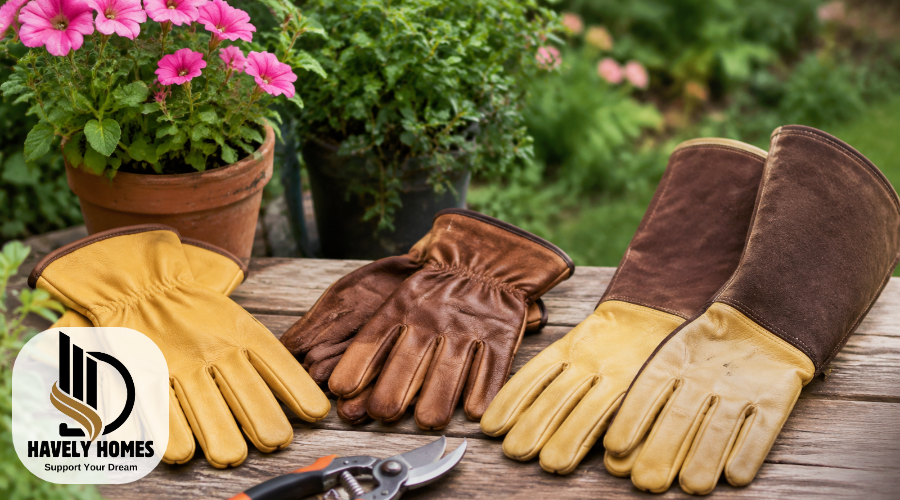
Leather gardening gloves are useful for pruning, moving rough branches, clearing dry stems, and handling garden tools. A suitable pair can reduce scratches, abrasions, splinters, and some thorn injuries, but no ordinary glove prevents every injury.
Leather gloves vary in hide, thickness, design, and cuff length. Some suit general jobs, while others have sturdier palms or long cuffs for prickly plants. Choose according to your tasks, fit, and garden conditions. This guide covers the main options, buying points, and basic care.
Quick Answer:
Leather gardening gloves help protect hands from rough branches, scratches, and some thorn contact. First, match the leather, fit, and cuff length to your gardening tasks, then check the seams and care instructions.
Quick-Guide Table
| Possible problem | What to check | Recommended action |
| Thorns reach your wrists or forearms | Check whether the glove cuffs provide enough coverage | Choose long leather gauntlet gloves and wear long sleeves |
| Difficulty handling small gardening tools | Check whether the leather is too thick or fingers are too loose | Choose a flexible pair that allows better finger movement |
| Gloves become wet during gardening | Check the manufacturer’s water-resistance information | Consider suitable waterproof or rubber-coated gloves for wet tasks |
| Gloves feel uncomfortable | Check palm width, finger length, and overall fit | Try another size or design that allows comfortable movement |
| Leather becomes cracked or damaged | Inspect fingertips, palms, and stitching | Replace gloves when damage exposes your hands |
| Handling pesticides or garden chemicals | Check the chemical product label and required protective equipment | Use gloves specifically approved for the chemical; ordinary leather gloves may absorb contaminants |
Helpful Steps: How to Choose the Right Leather Gardening Gloves
- Identify your gardening tasks: Decide whether you mainly need gloves for planting, pruning, weeding, handling branches, or working with thorny plants.
- Choose suitable leather: Compare goatskin, cowhide, pigskin, and deerskin according to flexibility, thickness, and intended use.
- Measure your hands: Check the manufacturer’s sizing guide and consider both palm width and finger length.
- Check the cuff length: Choose standard cuffs for general gardening or longer gauntlet cuffs for additional forearm coverage.
- Inspect the construction: Look at the stitching, fingertips, palm reinforcement, lining, and wrist closures.
- Test comfort and movement: Try both gloves, make a fist, spread your fingers, and hold a gardening tool to check your grip.
- Read the care instructions: Make sure you understand how to clean, dry, and store the gloves properly.
What Are Leather Gardening Gloves and Why Do Gardeners Use Them?
Leather gardening gloves are made partly or entirely from tanned animal hide. Some cover the whole hand; others have leather palms and fingers with a fabric back. Stitching, lining, wrist closures, and cuff length affect comfort and performance.
Leather creates a barrier between skin and rough materials. It can reduce scrapes from branches, blisters from tool handles, and contact with splinters or prickly stems. It is often useful for pruning, clearing woody growth, and moving brush.
A general leather work glove may be designed for building materials rather than small garden tools. Gardening styles may have a more flexible cut, shaped palms, longer cuffs, or reinforced fingertips. Check the intended use before buying.
Gloves are only one part of hand protection. Choose them for the job, keep them in good condition, and use appropriate tools and specialist protection when a task carries greater risks.
Different Types of Leather Used in Gardening Gloves
The hide affects feel, but its name alone does not determine protection or comfort. Thickness, finish, stitching, and design matter too.
Goatskin is common in lighter work gloves. It can feel supple and allow useful finger movement, which may suit planting, using hand pruners, or holding small tools. The finished glove still needs to be checked for thickness and flexibility.
Cowhide is often used in general-purpose and heavier work gloves. It can provide a more substantial feel for handling rough branches, bags, or garden materials. Some cowhide gloves may feel stiff at first and can stiffen further if they become wet and are not cared for properly.
Pigskin is another material used for work gloves. It comes in different weights and finishes, so check the glove’s construction and care instructions rather than assuming every pigskin pair has the same flexibility or moisture resistance.
Deerskin is often associated with soft, flexible gloves. It may suit gardeners who value comfort and finger movement, although the thickness and design still determine the protection offered.
Compare the palms, fingertips, seams, lining, and care instructions. A well-made design that suits your work may be better than a more expensive hide.
Main Benefits of Wearing Leather Gardening Gloves
Leather can help shield hands from everyday abrasion. When moving branches, lifting rough pots, clearing dry stems, or gripping tools, a sturdy glove reduces direct rubbing against the skin. It may also help prevent minor scratches and splinters, depending on its thickness and condition.
Leather can be useful around thorny plants, but protection varies. Thin leather, worn areas, open seams, and gaps around the wrist can leave skin exposed. Treat thorn protection as a helpful barrier, not a guarantee.
A leather palm may provide a comfortable surface for holding tools. Grip depends on finish and fit. Oversized gloves can bunch up, while tight ones restrict movement.
Durability is another reason gardeners choose leather. A well-made pair can serve for many routine jobs when cleaned and stored correctly. However, leather can absorb water and may become stiff after getting wet. It is not automatically waterproof or breathable, so it may not be the best choice for every task or climate.
Long Leather Gardening Gloves for Roses and Thorny Plants
Long leather gardening gloves, often called gauntlet gloves, have cuffs that extend beyond the wrist and cover part of the forearm. This extra coverage is useful when reaching into rose bushes, berry canes, brambles, or prickly shrubs, where thorns can catch skin above a short glove.
Check the cuff length and whether it stays in place. A sliding cuff may leave skin exposed. Look for secure seams and suitable palm and finger coverage, but remember that reinforcement does not make a glove thorn-proof.
Wear long sleeves with gauntlet gloves and make sure the clothing and cuff overlap without leaving exposed skin as you reach or bend your arms. Work carefully, use suitable pruning tools, and avoid pushing your hand blindly into dense growth.
If a thorn punctures the glove, stop and check your hand. Clean any wound and seek medical advice if a thorn remains embedded or if increasing redness, warmth, swelling, pain, or fever develops. Gloves reduce some risks but cannot prevent every puncture or infection.
How to Choose Leather Gardening Gloves for Men and Women
Start with your main tasks. Rose pruning may call for a long gauntlet, while seedling work may suit a lighter glove. Choose by task rather than by a men’s or women’s label.
Check the manufacturer’s size guide; brands use different sizing systems. Consider palm width and finger length. Fingertips should not press against the ends, and excess material should not fold over.
Try on both gloves if possible. Make a fist, spread your fingers, hold a trowel, and pick up a small object. The fit should be secure without pinching or restricting movement. If the glove slips, bunches, or makes tools difficult to control, try another size or design.
This applies to leather gardening gloves women and leather gardening gloves men. Hand shapes vary, so use the size chart and fit rather than relying on the label.
Consider leather thickness, lining, cuff length, adjustable wrist tabs, reinforced fingertips, and palm construction. Thicker gloves may offer a more substantial barrier for rough work but reduce dexterity. Softer, thinner gloves can make detailed jobs easier but may offer less protection from thorns and abrasion.
Which Gardening Tasks Are Leather Gloves Best Suited For?
Leather gloves suit many jobs involving rough surfaces or woody material. For pruning, choose a pair that protects your hands while allowing secure control of hand pruners; bulky fingers can make precise work harder.
For roses and other thorny plants, a long gauntlet covers more of the wrist and forearm. Avoid grabbing growth carelessly; use tools to move or cut branches where possible.
For digging and planting, leather can protect against rough soil, roots, and tool handles. However, it may feel too bulky for transplanting small seedlings, separating delicate roots, or handling tiny seeds. A thinner fabric or coated glove may give better control.
Leather is also useful for weeding coarse growth, clearing dry stems, moving brush, and carrying rough materials. For wet or muddy jobs, rubber or coated gloves may keep hands drier and be easier to clean. If handling unknown plants, irritating sap, or chemicals, do not assume leather provides the right protection.
Ordinary gardening gloves are not a substitute for specialist protective equipment. Chainsaw work and other high-risk jobs require task-specific protection and training. Follow the equipment manual and relevant safety guidance rather than relying on standard leather gardening gloves.
Leather Gardening Gloves vs Other Types of Garden Gloves
Material choice depends on the job. Leather suits rough, relatively dry work but is not always best for delicate planting, wet soil, or chemicals.
Cotton gloves are light and comfortable for simple jobs such as keeping hands clean while handling dry materials. They offer limited protection against thorns, sharp stems, and moisture, so they are not a good substitute for sturdier gloves when moving rough branches.
Rubber or waterproof-coated gloves can help keep hands dry when working with wet soil, muddy pots, or damp materials. Some designs are less breathable, and grip depends on the coating and surface pattern. Do not assume an ordinary household rubber glove is suitable for chemicals; chemical resistance depends on the exact material and product.
Nitrile-coated gloves often combine a fabric back with a coated palm and fingers. They can offer a flexible fit and useful grip for light to medium garden jobs. However, the fabric back may not protect from thorns as well as a purpose-designed leather gauntlet.
Synthetic leather and hybrid gloves may combine a synthetic or leather palm with a stretch-fabric back. They can balance grip, flexibility, and comfort, depending on construction. Check whether the palm, back, and fingertips have the protection your task requires.
No single material covers every hazard. Keeping more than one glove type may be practical if your tasks vary.
Where to Buy Leather Gardening Gloves and What to Check Before Purchasing
Leather gardening gloves are sold at garden centres, hardware stores, home-improvement retailers, and online. For leather gardening gloves Home Depot or leather gardening gloves Lowe’s, compare product details and check whether your size is available at a nearby branch. Stock changes, so confirm before travelling.
For leather gardening gloves nearby, use a local store search or map to check hours and inventory. If stock information is unclear, contact the shop; online listings do not guarantee same-day collection.
Before buying, check these details:
- Material: Is it full leather, a leather palm, split leather, or synthetic leather?
- Construction: Are the seams secure, and are high-wear areas reinforced?
- Fit: Does the size chart match your palm width and finger length?
- Cuff: Is a short, mid-length, or gauntlet cuff suitable for your plants and tasks?
- Care: Are the cleaning instructions practical for the way you garden?
- Intended use: Is the glove described for gardening, pruning, general work, or a specialised task?
Read customer reviews alongside specifications, looking for repeated comments about sizing, seams, stiffness, and comfort. Compare suitability as well as price.
How to Clean, Maintain, and Store Leather Gardening Gloves
After gardening, brush away loose soil, leaves, and debris. Check the palms, fingertips, seams, and cuffs for thorns, holes, or worn areas.
Follow the manufacturer’s care instructions because leather finishes and mixed materials differ. Use a leather cleaner or saddle soap only if recommended. Do not soak gloves or apply household cleaners, oils, or conditioners without checking first.
If washing is permitted, use the recommended method and avoid harsh scrubbing. Let the gloves air-dry naturally in a ventilated place, away from direct high heat, radiators, and strong sunlight. Excessive heat can make leather stiff or cause it to shrink or crack.
Store dry gloves in a clean place with airflow, not compressed in a sealed bag. Before use, check that the leather remains flexible and the seams are intact.
Replace gloves with holes, deep cracks, badly worn fingertips, loose seams, or damage that exposes the skin. If gloves have been contaminated by pesticides or another chemical, do not simply clean and reuse them. Follow the product label and disposal instructions; leather can absorb chemicals and may not be possible to decontaminate safely. Wash your hands after gardening, even when you have worn gloves.
Common Mistakes to Avoid When Using Leather Gardening Gloves
Do not choose gloves by appearance or price alone. A short cuff may not cover enough for rose pruning, while a thick glove may make delicate planting awkward.
Wrong sizing also causes problems: tight gloves restrict movement, while loose fingers reduce control. Try both hands and test simple movements before deciding.
Do not assume all leather is waterproof, cut-resistant, or thorn-proof. Hide, thickness, construction, wear, and fit affect performance. Replace gloves when the protective surface is damaged rather than continuing to use them because they still look acceptable.
Never use ordinary leather gardening gloves for pesticide mixing or application unless the product label specifically permits that material. Leather can absorb pesticides and may be difficult or impossible to clean completely. Use the exact chemical-resistant glove type stated on the label and follow the other required protective measures.
Do not store wet gloves in a closed space or ignore care instructions. Clean, dry, and inspect them regularly. Chainsaws and powered equipment require task-specific protective equipment; everyday garden gloves are not enough.
Conclusion
Leather gardening gloves can be a practical choice for pruning, handling rough branches, clearing woody growth, and many everyday outdoor jobs. The best pair is not necessarily the thickest or most expensive. It is the one that fits well, provides suitable protection, and lets you handle tools with control.
Compare the leather, construction, cuff length, and care instructions before buying. Choose long gauntlets for thorny plants and consider lighter or coated gloves for delicate planting or wet conditions. Inspect gloves regularly, clean and store them correctly, and replace them when damaged. Matching the glove to the job helps make gardening more comfortable while reducing avoidable hand injuries.
Frequently Asked Questions
Are Leather Gardening Gloves Suitable For Everyday Gardening?
Yes. Leather gardening gloves can be useful for pruning, clearing rough vegetation, moving branches, and handling garden tools. Choose a flexible pair for tasks requiring greater finger movement.
Can Leather Gardening Gloves Be Machine-washed?
Usually, no. Machine washing can damage leather or make it stiff. Follow the manufacturer’s care instructions and use only approved cleaning methods. Allow gloves to air-dry naturally.
How Long Do Leather Gardening Gloves Last?
There is no fixed lifespan. Frequency of use, moisture exposure, leather quality, construction, and maintenance all affect durability. Replace gloves when holes, cracked leather, or damaged seams expose your hands.
Are Leather Gardening Gloves Vegan?
No. Genuine leather is made from animal hide. If you prefer a vegan option, look for gloves clearly labelled synthetic or made from another non-animal material.
Do Leather Gardening Gloves Need Breaking In?
Some heavier leather gloves may soften with use, but they should not pinch or restrict movement when new. Avoid applying oils or conditioners unless the manufacturer recommends them.
Disclaimer: This article is for general informational purposes only. Leather types, glove construction, sizing, cleaning methods, and protection levels vary between products. Always read the manufacturer’s instructions before using or cleaning gardening gloves. Ordinary leather gloves should not be considered suitable protection against pesticides, chemicals, chainsaws, or other high-risk gardening activities unless specifically approved for that purpose. Havely Homes is an independent informational website, not an official Honeywell support service, and is not affiliated with Honeywell or any gardening glove manufacturer. The website was created solely to provide helpful information to visitors and does not engage in paid promotions or advertising.
