
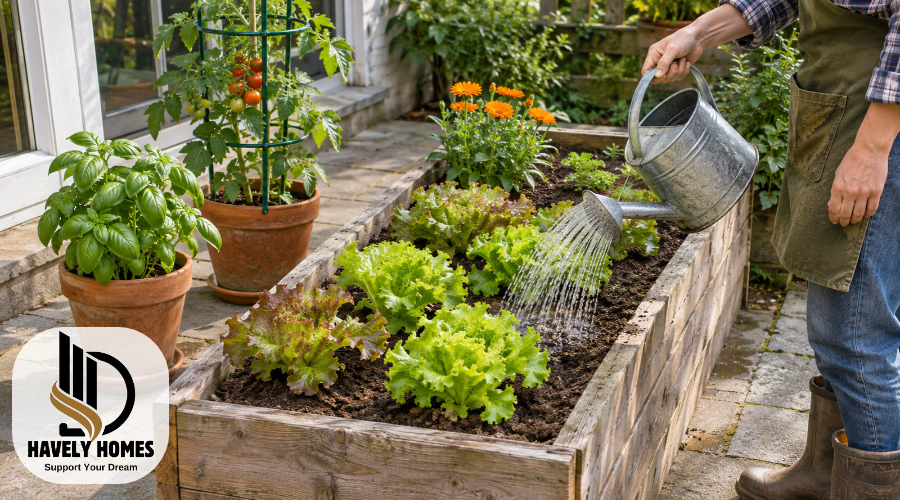
A small garden gives you room to learn without filling your weekends with chores. One bed can hold a few vegetables or flowers, and a couple of pots can turn a sunny patio into a place to grow salad greens or herbs. Either setup is enough to learn how quickly soil dries, which plants suit your space, and how much time you can give them.
The most useful gardening tips start with three decisions: where to grow, what to plant, and how often you can check on it. Spend a little time watching the light and looking at the soil before you buy anything. Then choose a few plants you’ll enjoy growing. If you want fresh leaves for lunch, a pot of lettuce may be a better first project than a bed full of crops that ripen all at once.
Quick Answer:
Start with one small bed or a few pots. Check how much direct sunlight the spot gets and how well it drains. Choose plants that suit those conditions, and check soil moisture before watering.
Quick-Guide Table
| Possible problem | What to check | Recommended action |
| Leaves wilt and the soil feels dry | Check moisture below the surface near the roots. | Water slowly at the base so the moisture can soak into the root area. |
| A potted plant wilts even though the mix is wet | Look for blocked drainage holes or water sitting in the saucer. | Clear the drainage holes, empty the saucer, and check the mix before watering again. |
| New leaves turn yellow | Review recent changes in light, temperature, watering, or feeding. | Correct any clear growing problem. If yellowing spreads and the cause is unclear, ask a local gardening adviser. |
| Leaves have holes or ragged edges | Look under leaves and along stems for insects, eggs, or slime trails. | Identify the cause before choosing a treatment. Take a clear photo if you need help. |
| A tomato plant grows leaves but produces little fruit | Check how much direct sun it gets and whether nearby plants shade it. | Move a container-grown tomato to a sunnier spot if practical, or choose a brighter site for the next planting. |
A Simple Plan for Your First Garden
- Watch the light. Check your chosen spot in the morning and afternoon. Note when it gets direct sun and how long it stays shaded.
- Choose a setup you can reach easily. Start with one small bed or a few pots near a convenient water source.
- Pick a few plants you’ll use or enjoy. Try leaf lettuce for salads, climbing beans if you have room for a trellis, or flowers suited to your light conditions.
- Plant at the right time. Check the seed packet for sowing depth and spacing, then use local weather and frost risk to decide when to plant.
Read Your Space Before You Buy Plants
Watch your proposed growing spot on a clear day. Check it in the morning, around midday, and again in the afternoon. A patio that looks bright from indoors may spend much of the day in the shade of a fence. Tree shade can also change as branches fill out with leaves. A simple note of when direct sun reaches the spot will help you choose plants with the right light needs.
Tomatoes, peppers, and many other fruiting vegetables do best where they get plenty of direct sun. Leaf lettuce and some other greens can grow with some shade, although growth may be slower with less light. If you want flowers in a partly shaded bed, check the plant label for a variety suited to those conditions and to your local climate.
Look at the spot after rain, too. If water regularly sits on the surface, choose another spot or consider a raised bed or containers. On a balcony or open patio, pay attention to wind, which can dry pots quickly and make tall plants harder to support. Finally, think about how you’ll carry water to the garden. A spot close to a tap or on a route you already walk makes daily checks easier.
Should You Grow in the Ground, in a Raised Bed, or in Pots?
An in-ground bed is a straightforward choice when you have usable soil that drains well. You can start with a small patch and add to it as you learn. A raised bed takes more effort to set up and requires suitable soil to fill it, but it gives you more control over the growing area and can make plants easier to reach. Raised beds may drain and dry faster than the surrounding ground, so check their moisture separately.
Pots are useful when your growing space is paved or when you want to move plants as the light changes. Choose containers with drainage holes and enough space for the plant’s mature roots. A compact tomato still needs more root room than a small planting of leaf lettuce. Fill pots with a mix made for container growing. Ordinary garden soil can compact in a pot and drain poorly.
For a simple patio or balcony setup, choose a broad container with drainage holes and sow leaf lettuce at the spacing suggested on the packet. Put it where it gets good light and where you can reach it easily with a watering can. If seedlings emerge too close together, thin them to give the remaining plants room to grow.
Prepare the Soil Before Planting
A soil test gives you a starting point before you spend money on fertilizer or soil amendments. A garden soil test can tell you the pH, which measures how acidic or alkaline the soil is, and report levels of selected nutrients. If the lab asks what you plan to grow, tell it. The recommendations are more useful when they’re based on the plants going into the bed.
Finished compost adds organic matter and can improve the way garden soil holds water and lets air reach roots. It can be helpful when preparing a new bed, especially where the soil has little organic matter. Use the condition of the soil and the test results to decide how much to add. Compost also supplies nutrients, so adding large amounts every year can build up nutrients the soil already has in abundance.
Wait until the soil is workable before digging. If a handful sticks to your fingers and stays pressed into a solid lump, give it time to dry. Soil that breaks apart into crumbs is generally easier to work. This matters especially in heavy soil, where digging or walking on a wet bed can compact it and leave hard clods as it dries.
Pick the Right Time to Plant
Use your local weather and the needs of each crop to decide when to plant. Lettuce and radishes can grow in cooler conditions, while beans and cucumbers establish better once the soil warms. Young tomato plants are sensitive to frost, so wait until frost risk has passed and the soil has warmed before setting them outdoors. An average last frost date is a useful planning guide, but check the forecast as planting day approaches.
Direct sowing means putting seeds straight into the bed or container where they will grow. It works well for crops such as radishes and beans when conditions are suitable. Buying young plants can make sense for tomatoes if you have limited room to start seeds indoors or want to grow just one or two plants. Seedlings raised indoors or under cover benefit from a gradual introduction to outdoor sun and wind before planting.
Read the seed packet for sowing depth and spacing, and check the label on young plants for mature size. Pay attention to whether the packet gives the initial sowing distance or the final spacing after thinning. A row of tiny seedlings may look sparse at first, but that space gives the plants room to grow.
Vegetable Gardening Tips for a First Harvest
Choose vegetables your household already eats. Leaf lettuce is useful if you often make salads, bush beans fit a small bed, and a compact tomato can work in a roomy pot with enough sun. Growing a few crops also makes it easier to notice when a plant needs water, support, or more space.
If your bed is narrow, grow climbing beans or a vining cucumber up a trellis. Check the variety label before buying a support. Bush beans grow in a compact shape, while pole beans climb and need something to grow up. Put the support in place at planting time and position it where the mature vines will cast the least shade on sun-loving crops nearby.
To spread out a harvest, sow a short row of radishes or a small batch of lettuce, then sow again while the weather is still suitable for that crop. Use the packet’s estimated time to harvest and your local growing conditions to plan the next batch. In hot weather, some lettuce varieties quickly send up a flower stalk and develop bitter leaves. Leave room for another sowing when cooler conditions return if the growing season allows.
Flower Gardening Tips for Beginners
Annuals complete their life cycle in one growing season. Perennials live for several years when they’re suited to the site and climate. Annuals can fill gaps in a new bed while perennials become established. In a small border, a few well-spaced plants with different flowering times can give you something to enjoy across more of the season.
Start with the conditions you observed. A bright, free-draining border and a cool, partly shaded corner call for different plants. Read each label for light needs, mature height and width, and flowering season. Give wider plants room to spread, and leave space to reach the back of the bed for weeding and watering. Choose suitable flowers with overlapping bloom times if you’d like to provide food for visiting pollinators over a longer period.
Removing faded flowers, called deadheading, can encourage some plants to keep blooming. Many zinnias respond well to it. Leave some seed heads if you want to collect seed or provide food for birds. Learn how each plant flowers before pruning it, since a trim at the wrong time can remove buds that would have opened later.
How Do You Know When to Water?
Feel the soil below the surface before watering. The top may look dry while the roots still have enough moisture, and a light shower may wet the surface while leaving the soil underneath dry. Use a finger in a pot or gently lift a little soil with a trowel beside a plant in a bed. Newly sown seeds and recent transplants need closer attention because they rely on moisture in a smaller area.
Containers generally dry faster than garden beds, especially in warm or windy weather. A small pot in full sun can need attention sooner than a large container in a sheltered spot. Check pots individually, including those under eaves or on covered balconies where rain may never reach the soil. As plants get larger, check whether they are using water faster than they did earlier in the season.
When a bed needs watering, apply it slowly near the base so it can soak into the root area. For a pot, water the mix evenly until some water drains through the holes. If the pot sits in a saucer, empty standing water after it has drained. Morning is a convenient time to check moisture and water as needed, especially before a hot day.
Mulch, Weed, and Feed as Needed
Mulch shades the soil surface, which can slow moisture loss and make it harder for some weeds to establish. Choose the material for the bed. Shredded leaves or clean straw can work around established vegetables, and chipped bark can suit a bed of established shrubs. Leave a gap around stems and trunks. If you’ve just sown seeds, keep the sowing row clear so the seedlings can emerge.
Pull small weeds before they flower and set seed. They’re often easier to remove when the soil is slightly moist. Take care near seedlings, where tugging at a large weed can loosen the plants you want to keep. A brief check while you water or harvest helps you catch new weeds before they spread.
Base feeding on what the plant needs and what the soil already supplies. In a garden bed, use the soil test recommendations to guide fertilizer choices. For containers, check whether the potting mix already contains fertilizer and how long the label says it should last. If a plant needs extra feeding, follow the fertilizer label for the amount and frequency. A plant that is struggling because its roots are sitting in wet soil needs better drainage before feeding will help.
Check Wilting, Yellow Leaves, and Pest Damage
Check soil moisture first when a plant wilts. If the root area is dry, water it slowly and watch how the plant responds. If the soil is already wet, look for blocked drainage holes, a full saucer, or an area that stays waterlogged after rain. A plant that wilts briefly in afternoon heat and recovers as temperatures fall may need a closer look at its growing conditions before you change its watering routine.
With yellow leaves, notice which leaves are affected and when the change started. An older leaf may yellow naturally as it ages. If several leaves turn yellow or new growth looks weak, think about recent changes in light, watering, feeding, or temperature. Check spacing, too. Crowded plants are harder to inspect, and closely packed foliage can stay damp longer after rain.
If leaves have holes, spots, or curling edges, inspect the undersides and nearby stems. Look for insects, eggs, webbing, or slime trails. Identify the likely cause before choosing a treatment, since insects, disease, and growing conditions can leave similar signs. Suitable flowering plants can support pollinators and beneficial insects, including some that feed on garden pests. If damage spreads or the cause remains unclear, take clear photos of the affected leaves and the whole plant and contact a local horticultural adviser or plant diagnostic clinic.
Conclusion
Choose one spot, watch how much direct light it gets, and pick a few plants suited to those conditions. Set them up where you can easily check the soil and notice new growth or damage. A few notes about when you planted, how often you watered, and what flowered or produced well will help you decide what to grow next.
Once you know how your first bed or pots behave through a spell of heat, wind, or rain, you’ll have a better sense of what you can care for. Expand when you have room for something you’d enjoy growing, whether that’s a second sowing of lettuce, a pot of flowers, or a trellis of climbing beans.
FAQs
Can I Use Garden Soil In Outdoor Pots?
Use a potting mix made for containers. Garden soil can compact in a pot and slow drainage. A suitable potting mix gives roots room to grow and lets excess water escape.
How Can I Avoid Harvesting All My Lettuce At Once?
Sow a small batch, then sow another while the weather still suits lettuce. Use the seed packet’s estimated harvest time to plan each batch and leave enough space for seedlings to grow.
Should I Remove Every Faded Flower?
Remove spent blooms from plants that flower again after deadheading, such as many zinnias. Leave some seed heads if you want to collect seeds or provide food for birds.
Do I Need To Add Compost To My Garden Every Year?
How much compost you need depends on the soil and what you grow. A soil test can show whether certain nutrients are already high and help you decide whether more compost is useful.
Disclaimer: Havely Homes was created to provide general information for visitors and does not engage in paid promotions or advertising. Gardening advice should be adapted to local conditions. For thermostat questions, controls and troubleshooting vary by model, so consult your model manual or official support. Use a qualified professional for electrical, wiring, gas, furnace, or complex HVAC work. Havely Homes is independent of Honeywell and provides general information only.
