
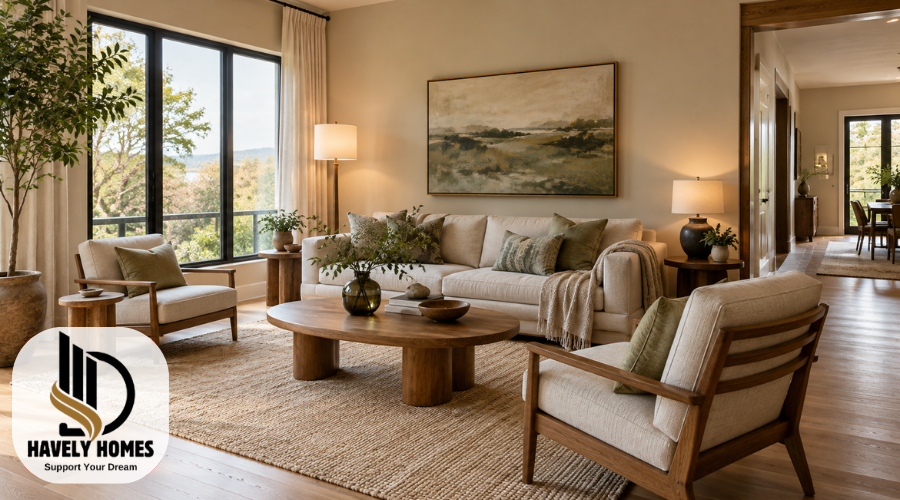
A home can look attractive and still feel awkward to use. A sofa might interrupt the main walkway, a bedroom might lack convenient storage, or a desk might leave you facing a distracting reflection. Feng shui interior design offers a traditional perspective on how furniture, surroundings, and room arrangements relate to one another.
Rooted in Chinese tradition, feng shui includes beliefs about energy and balance. These beliefs should be distinguished from practical improvements you can observe, such as easier movement, better lighting, and more accessible furniture.
You can explore this approach without replacing everything or adopting a particular decorating style. Start with your existing rooms, notice what makes daily life difficult, and make thoughtful adjustments that suit your household.
Quick Answer:
Feng shui interior design is a traditional Chinese approach to arranging spaces for balance and harmony. Start by checking furniture placement, doorway access, lighting, and whether each room comfortably supports your household’s daily needs.
Quick-Guide Table
| Possible problem | What to check | Recommended action |
| Difficult movement through a room | Furniture, cords, or belongings interrupting walkways | Reposition manageable items and clear essential routes. |
| Uncomfortable seating arrangement | Conversation distances and views from each seat | Adjust chairs to support conversation and convenient access. |
| Distracting bedroom reflections | Mirrors reflecting lights or movement | Reposition the mirror if the reflection bothers you. |
| Glare at a home-office desk | Window and lamp reflections on the screen | Adjust the screen angle, lighting, or blinds. |
| Crowded kitchen worktops | Decorative objects occupying preparation space | Store unnecessary items and keep decorations away from cooking areas. |
| Conflicting bagua advice | Whether sources use compass-based or entrance-based mapping | Follow one clearly explained method consistently. |
Simple Steps to Review Your Space
- Choose one room and identify its main purpose.
- Sketch the doors, windows, and existing furniture.
- Check that doors open freely and essential routes remain clear.
- Assess lighting and sightlines from your usual sitting or sleeping position.
- Make one manageable change using existing furnishings.
- Use the room normally and assess its comfort before making further changes.
What Is Feng Shui Interior Design?
Feng shui is a traditional Chinese practice concerned with the relationship between people and their surroundings. Applied to interiors, it considers furniture placement, orientation, room connections, and symbolic associations.
One central concept is qi, often translated as life energy. Practitioners describe arrangements as supporting or interrupting its flow. This is a traditional explanation, rather than a measurable current moving through your rooms.
Yin and yang describe complementary qualities. In decorating, these can be interpreted through contrasts such as quiet and activity, softness and firmness, or subdued and bright surroundings. A room can contain both, with the balance reflecting its purpose.
Feng shui does not require Chinese-style furniture, minimalist rooms, or a specific color scheme. Its ideas can be explored within modern, traditional, rustic, or eclectic homes. However, furniture arrangements and symbolic objects should not be presented as scientifically proven ways to produce wealth, improve relationships, or treat health problems.
Start with Your Home’s Layout and Everyday Needs
Before applying a map or selecting symbolic colors, walk through your home as you normally use it. Notice where you turn sideways, move an object to reach something, or struggle to open a door.
These problems often come from furniture that is too large, storage placed in circulation routes, or arrangements chosen mainly for appearance. A room sketch can reveal alternatives before you move heavy items.
Consider the purpose of each space. Living rooms need usable seating and conversation areas. Bedrooms need comfortable access and suitable storage. Kitchens need workable preparation areas, while home offices need a setup that supports daily tasks.
Include everyone who uses the home. Children need accessible toy storage, pets need suitable resting places, and people using mobility aids may need additional maneuvering space. Keep essential routes clear. If a traditional placement recommendation makes the room difficult or unsafe to use, adapt the arrangement to the household.
How Does the Commanding Position Work?
The commanding position is a widely taught feng shui placement principle. It generally means being able to see the room’s entrance from a bed, desk, or main seat without being directly aligned with the doorway.
Traditional advice also favors supportive backing, often a solid wall behind a headboard or seat. Exact recommendations vary between practitioners and layouts.
To assess your room, draw the walls, windows, door openings, and main furniture. Mark where your eyes would be when lying in bed or sitting at the desk. Check whether the doorway is visible and whether furniture interrupts movement.
A diagonal arrangement may work, but it is not necessary to force a precise angle. Moving a desk slightly or choosing another seating position may provide a useful sightline. Avoid treating this placement as a guaranteed way to reduce anxiety. Its immediate value is helping you consider visibility, support, and how comfortably furniture fits.
Understanding the Bagua Without Mixing Different Schools
The bagua is a traditional framework associated with eight areas around a center. Popular home-design versions connect these areas with themes such as family, career, relationships, and prosperity.
The map’s orientation depends on the school being followed. Compass-based approaches use actual directions. The entrance-based method commonly associated with BTB, or Black Sect feng shui, aligns the map with the entrance side.
For example, in a simplified BTB whole-home diagram, the entrance side corresponds to the row associated with knowledge, career, and helpful people. This example follows the entrance-based method; it should not be combined with a compass-based instruction assigning another direction to the same area.
Choose a clearly explained approach before applying a diagram. Beginners can also focus on practical arrangements without using a bagua immediately. Treat its life themes as symbolic associations, rather than predictions or promises about what will happen after redecorating.
Using the Five Elements, Colors, and Materials
The five elements in feng shui are wood, fire, earth, metal, and water. Within the tradition, each has associations with particular qualities, colors, and forms. Decorative representations can include:
- Wood: Green tones, upright shapes, plants, and wooden objects.
- Fire: Red accents, triangular forms, and lighting.
- Earth: Earth tones, square shapes, pottery, and ceramics.
- Metal: White or gray tones, circular forms, and metal details.
- Water: Black or navy tones, flowing shapes, glass, and water imagery.
These are symbolic associations, not a requirement to place literal examples of every element in every room. A picture of water can represent the idea without installing a fountain. A red cushion can introduce a fire association without using candles.
Balance does not mean allocating equal amounts to all five elements. Consider what already exists before adding anything. Wooden furniture, ceramic bowls, lamps, and metal handles may provide several associations naturally. Let the room’s function and your preferences guide the final choices.
Feng Shui Interior Design for the Living Room
Begin with seating that makes conversation comfortable. Arrange the sofa and chairs so people can see one another without twisting, while keeping a straightforward route through the room.
A wall behind the main sofa reflects a common traditional preference for support. In an open-plan home, however, a floating sofa may define the living area more effectively. Assess the view from the seat and leave sufficient space around it for everyday movement.
Select a coffee table that fits the seating arrangement. Rounded tables may be helpful where corners intrude into a busy route, but rectangular tables can work equally well when properly positioned. Size and placement matter more than following a shape rule.
Combine general lighting with lamps for reading and softer evening light. Keep cords out of walking paths. Add comfortable textiles and a few objects that have personal meaning, rather than filling every surface. The finished arrangement should make sitting, talking, and moving around feel easy.
Feng Shui Interior Design for the Bedroom
Start by placing the bed where it allows comfortable access and does not obstruct doors or essential storage. A headboard against a solid wall is a common feng shui preference, provided that position suits the room.
Traditional guidance often recommends seeing the entrance without placing the bed directly in line with it. If your room offers few options, choose the most usable arrangement. Door alignment should not become a source of fear about your home.
For a shared bed, consider each person’s needs. Both may benefit from a reachable lamp and somewhere to place a book or glass of water. The bedside furniture can have similar visual weight without being identical.
Under-bed storage is sometimes discouraged in feng shui teaching, but it can be valuable in small homes. Keep it organized, easy to clean around, and suitable for the bed’s design.
Mirrors deserve a practical assessment. Change their position if they reflect distracting light or movement. Claims that a mirror facing the bed fragments sleep through energy should not be presented as established facts. For a restful environment, pay attention to light, noise, temperature, and stimulating screen use near bedtime.
Feng Shui Interior Design for the Kitchen and Dining Area
A useful kitchen begins with preparation space, accessible storage, and routes that remain workable when appliances are open. Remove unnecessary objects from the worktop, but keep regularly used tools conveniently available.
In traditional feng shui, a stove is associated with fire and a sink with water. Some practitioners interpret their proximity as an elemental conflict. This symbolism alone is not a reason to relocate either fixture.
Existing services, ventilation, appliance instructions, and safe clearances take priority. Keep towels, packaging, curtains, and other combustible items away from the stovetop. Decorative plants and ornaments should not interfere with cooking or ventilation.
Homeowners can review organization and furniture placement. Gas connections, electrical wiring, plumbing changes, and complex ventilation work need appropriately qualified professionals.
In the dining area, check that chairs can be pulled out comfortably. Choose lighting that allows people to see their meals without uncomfortable glare. A modest table that fits the room is more useful than a larger one that blocks access.
Applying Feng Shui to a Home Office
Where the layout allows, position your desk so the entrance is visible while you work. This follows the commanding-position idea, but the arrangement must also support comfortable computer use.
Keep the monitor directly in front of you and arrange the chair, keyboard, and desk so you are not continually twisting or reaching. Allow space for your legs and support your feet. Adjust the screen and lighting to reduce reflections.
A window directly behind you may create screen glare. Changing the desk angle or using an adjustable blind may help. Test the position during your usual working hours before settling on it.
Keep frequently used supplies within easy reach and route cables away from walking areas. In a shared room, a drawer or storage box can make it easier to put work away afterward. A mirror is optional; avoid adding one if it introduces more visual distraction.
Entryways, Small Homes, and Rental-Friendly Changes
The entrance is often called the “mouth of qi” in feng shui tradition. Its practical role is straightforward: people need to enter, open the door, and move through comfortably.
Choose storage that suits the available space. A shallow shoe unit or suitable hooks may work better than a deep console in a narrow hallway. Check that furniture and stored belongings do not interfere with the door or essential routes.
In studios, use furniture to suggest different activities. A sofa can define a sitting area, while a compact desk creates a work zone. Preserve the route between the entrance, bathroom, and sleeping area.
Rental-friendly changes include rearranging furniture, replacing cushion covers, adjusting portable lighting, and reducing surface clutter. Check tenancy terms before making attachments or alterations.
If a front door aligns with another exit, do not place a cabinet or other obstacle in the route to supposedly stop energy escaping. Maintain access and consider nearby decorative changes that do not obstruct movement.
Common Mistakes and Claims to Treat Carefully
A common mistake is collecting rules from different sources without checking which school they follow. Conflicting advice may reflect different methods rather than something wrong with the home.
Rigid decorating rules can also create unnecessary pressure. Matching nightstands, an empty space beneath the bed, and removing every bedroom mirror are not universal requirements. Consider what each recommendation would change in your particular room.
Some practitioners use “poison arrows” to describe symbolically unfavorable sharp forms. Separate this traditional idea from an actual hazard, such as a table corner projecting into a walking route. Address the physical problem through sensible placement or a more suitable furniture choice.
Avoid overcrowding rooms with objects sold as remedies. Extra items can undermine the storage and movement improvements you wanted to achieve. Be cautious of anyone promising guaranteed money, luck, health, or relationship outcomes from a purchase. Evaluate changes by their usefulness and how they suit your home.
Choosing Learning Resources and Professional Help
A useful feng shui interior design book should identify its author, explain the approach being taught, and provide understandable examples. Look for clear distinctions between traditional concepts and claims supported by other evidence.
When considering a course, review the curriculum, teacher’s background, practical exercises, and costs. Certification can indicate training within a particular organization, but it does not establish competence in building systems or guarantee results.
For a feng shui interior design PDF, prefer material shared legally by its author, publisher, or teaching organization. Check whether diagrams explain their orientation and whether advice acknowledges different layouts.
Apply the same checks to an online personality or consultant. Popularity alone is not evidence of expertise. Ask about training, methods, fees, and what a consultation includes.
A consultant may help interpret a complex plan consistently within a chosen tradition. An interior designer can assist with space planning and renovation. Accessibility changes, electrical work, gas installations, and other building-system alterations require professionals with the relevant expertise.
Conclusion
Feng shui interior design gives you a traditional framework for examining how your home is arranged. Its most useful starting points are often simple: furniture that fits, clear movement routes, suitable lighting, and décor that feels meaningful to you.
Choose one affordable change that addresses a real difficulty. Reposition an awkward chair, organize the entrance, or improve access beside the bed. Use the room afterward and notice whether the adjustment helps before making another.
Traditional preferences can guide your decisions, but the arrangement should serve the people living there. A balanced, welcoming home is one that supports everyday life and remains comfortable to use.
FAQs
Do I Need A Particular Decorating Style To Use Feng Shui?
No. Feng shui principles can be explored within modern, traditional, rustic, or eclectic interiors. Focus on placement and everyday usability while keeping the furniture, colors, and objects you enjoy.
Should Every Room Contain Equal Amounts Of The Five Elements?
No. Traditional five-element balance does not require equal quantities. Colors, shapes, materials, and artwork can represent the elements, and their use depends on the approach followed and the room’s needs.
Can Feng Shui Guarantee Better Health, Wealth, Or Relationships?
No. These outcomes should not be promised through furniture placement or symbolic décor. Treat feng shui as a traditional practice, and assess changes through practical improvements in your home’s comfort and usability.
Do Matching Nightstands Matter In A Shared Bedroom?
Identical nightstands are unnecessary. Different pieces can provide similar visual balance while meeting each person’s needs. Prioritize convenient access, suitable lighting, and enough space to move comfortably beside the bed.
Is A Feng Shui Consultation Necessary Before Making Changes?
No. You can begin with simple furniture and storage adjustments yourself. A consultation may help with complex layouts or interpreting a particular tradition, while renovation and building-system work require appropriately qualified professionals.
Disclaimer: This article provides general information about traditional feng shui and home design; it does not guarantee health, wealth, or relationship outcomes. For any thermostat work, controls and troubleshooting vary by model, so check the model manual or official support. Electrical, wiring, gas, furnace, and complex HVAC work require a qualified professional. Havely Homes is not an official Honeywell support service and has no affiliation with Honeywell.
